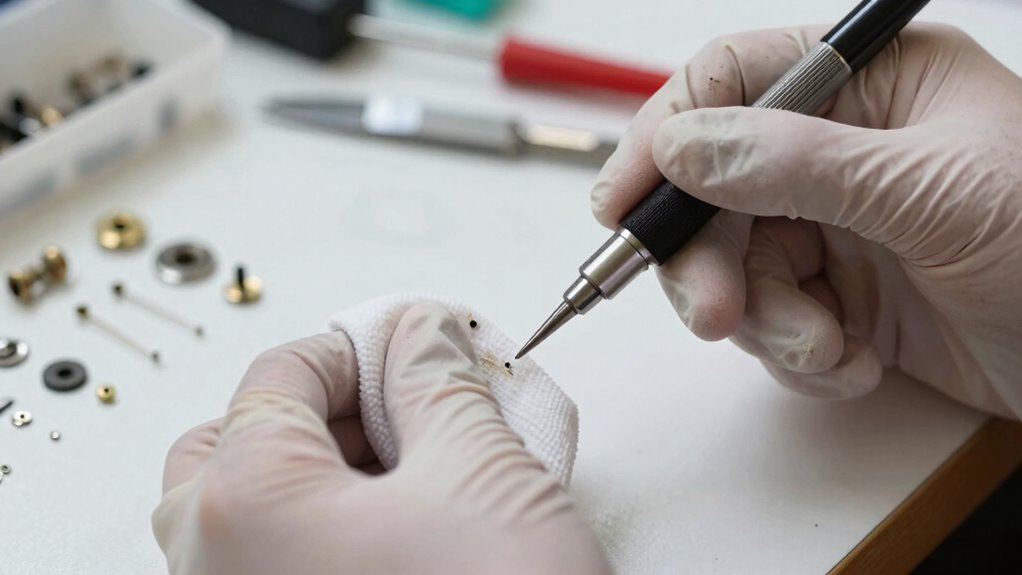

To avoid small handling mistakes that add up, you need to develop awareness of your habits and stay attentive during tasks. Double-check your work, follow standardized procedures, and keep your workspace organized. Stay mindful by taking brief pauses to verify progress and avoid rushing. Recognize common pitfalls early and correct them immediately. Making small, deliberate adjustments over time will improve your handling habits and reduce errors—continue exploring ways to refine your approach for better results.

Get audio and creator gear delivered free with Prime
- Fast, free delivery on millions of items
- Prime Video, Amazon Music and more included
- Member-only deals all year
Key Takeaways
- Develop consistent routines and double-check work to catch errors early.
- Stay focused and minimize distractions during tasks to prevent oversights.
- Follow standardized procedures and quality control measures for reliability.
- Use small pauses to review progress and identify potential mistakes proactively.
- Keep the workspace organized and adhere to safety protocols to reduce mishandling risks.
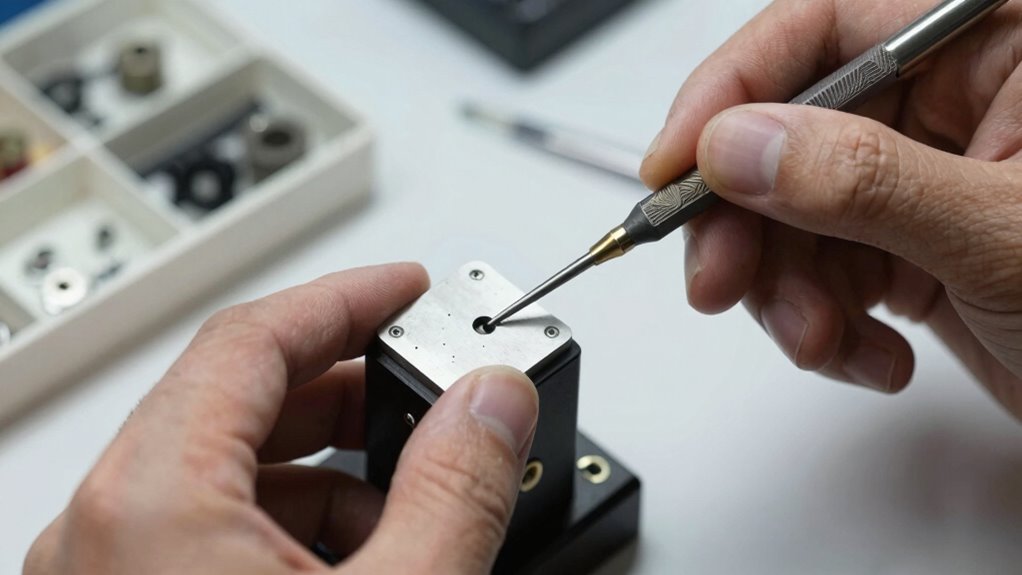
Have you ever overlooked a tiny detail that led to bigger problems later? Small handling mistakes can seem insignificant at first, but they tend to accumulate and cause more serious issues down the line. That’s why paying close attention to your handling habits is essential for mistake prevention. When you develop awareness of how you handle tasks, you’re more likely to catch errors early and avoid costly corrections later. It’s all about establishing consistent routines that minimize the chance of small mistakes slipping through.
Your handling habits shape the way you approach work every day. Simple things like how carefully you load equipment, how precisely you follow procedures, or how attentively you check your work can make a big difference. If you rush through tasks or become complacent, you’re more likely to overlook vital details. This habit of rushing or skipping steps can seem harmless initially, but it tends to snowball into larger problems that take more time and effort to fix. By consciously cultivating good handling habits—such as double-checking your work, maintaining focus, and following standardized procedures—you create a safeguard against these small errors. Additionally, understanding the importance of laboratory safety helps reinforce the need for consistent handling practices. Developing good handling techniques also involves understanding proper equipment use, which reduces the chance of mishandling or accidents. Incorporating quality control methods into your routine can further help identify potential issues before they escalate. Recognizing error-prone situations and actively working to avoid them can greatly improve your overall handling quality.
Mistake prevention begins with mindfulness. Before you start any task, take a moment to review what needs to be done and how best to do it. This mental checklist helps you stay alert to potential pitfalls. During the task, stay attentive, avoid distractions, and periodically pause to verify your progress. These small pauses can prevent overlooked details that might otherwise go unnoticed. If you notice yourself becoming complacent or rushing, remind yourself of the importance of accuracy. Small improvements in your handling habits, like maintaining a clean workspace, organizing tools properly, and adhering to safety protocols, considerably reduce the chances of making a mistake. Recognizing common pitfalls and actively working to avoid them can greatly improve your overall handling quality.
Moreover, embracing a proactive mindset is key to mistake prevention. When you anticipate potential issues, you’re more likely to address them before they develop into bigger problems. For example, if you notice a pattern of minor mishandling, take steps to correct it immediately—whether that’s adjusting your workflow or seeking guidance. Over time, these small adjustments strengthen your handling habits and increase your overall precision. Remember, the goal isn’t perfection but consistent quality. By paying close attention to detail and making deliberate efforts to improve your handling habits, you minimize the risk of small mistakes adding up. In the end, it’s these small, mindful choices that keep your work reliable, efficient, and mistake-free.
As an affiliate, we earn on qualifying purchases.
Frequently Asked Questions
How Do Small Handling Mistakes Impact Long-Term Productivity?
Small handling mistakes can substantially impact your long-term productivity by creating errors that compound over time. By developing error awareness, you notice these mistakes early, preventing them from escalating. Consistent habit formation helps you correct behaviors before they become ingrained. Over time, this proactive approach minimizes errors, boosts efficiency, and maintains high productivity levels, ensuring you stay focused on your goals without the setbacks caused by recurring minor mistakes.
Can Technology Help Reduce Minor Handling Errors?
Technology acts as your safety net, catching errors before they grow into bigger issues. Automation solutions streamline repetitive tasks, reducing the chance of mishandling, while error tracking pinpoints where mistakes happen most often. Together, they help you stay alert and minimize minor handling errors, transforming small missteps into less of a burden. Embracing these tools keeps your workflow smooth and prevents small errors from snowballing into major setbacks.
What Are Signs I’M Making Repetitive Handling Mistakes?
You’re likely making repetitive handling mistakes if you notice recurring errors in your handling habits or find yourself missing steps frequently. Error awareness is key—pay attention to when mistakes happen and look for patterns. If you catch yourself rushing, skipping checks, or mishandling items often, it’s a sign to slow down and review your procedures. Developing better handling habits and staying alert can markedly reduce these recurring mistakes over time.
How Do I Stay Motivated to Improve Handling Habits?
Imagine your progress as a plant needing daily care—stay motivated by setting clear goals and celebrating small wins. Use motivation strategies like visualizing success and tracking habits to reinforce your commitment. Remember, habit formation is a journey, not a sprint. When setbacks occur, focus on consistency, not perfection. Keep your eyes on the bigger picture, and you’ll find the energy to improve handling habits steadily blooming over time.
Are There Specific Industries More Prone to Small Handling Errors?
Certain industries, like manufacturing, healthcare, and logistics, are more prone to small handling errors due to industry-specific challenges and error-prone environments. These fields often involve complex processes, tight timelines, and high-stakes situations, making small mistakes more likely to occur and accumulate over time. To minimize errors, stay vigilant, follow established procedures, and continuously seek ways to improve handling practices tailored to your industry’s unique challenges.
As an affiliate, we earn on qualifying purchases.
Conclusion
So, next time you slip up with those tiny mishandlings, remember—they’re just tiny blips on your perfect record. Ironically, it’s often the smallest mistakes we ignore that add up to the biggest headaches later. But hey, who needs perfection? Embrace the little errors, learn from them, and maybe, just maybe, those small slip-ups will become small triumphs. After all, avoiding mistakes is overrated—making peace with them is what truly counts.
standard operating procedure templates
As an affiliate, we earn on qualifying purchases.
As an affiliate, we earn on qualifying purchases.
As an affiliate, we earn on qualifying purchases.
Halloween Picks
halloween
As an affiliate, we earn on qualifying purchases.