
The noise floor is the constant background hum in your audio environment, which limits how softly you can hear sounds without them being masked. It’s the baseline level of unwanted noise that exists even when no music or voices play. A high noise floor can make quiet details hard to distinguish, while a low one enhances clarity. Understanding this helps you recognize why some devices or environments sound clearer, and there’s more to discover about how it impacts your listening experience.
Key Takeaways
- The noise floor is the baseline background hum that can affect audio clarity during listening.
- A lower noise floor allows softer sounds to be heard clearly without masking.
- High-sensitivity equipment reveals more background noise, impacting the listening experience.
- Understanding the noise floor helps in choosing gear that provides clearer, more immersive sound.
- Minimizing environmental interference and equipment noise improves overall audio enjoyment in real life.
Have you ever wondered what the “noise floor” really means in audio or electronic systems? It’s a term that often pops up when discussing sound quality, but it’s more than just technical jargon. Essentially, the noise floor is the level of unwanted background noise present in an audio setup or environment. When you’re listening to music, watching a movie, or recording, this is the quietest sound you can hear before noise becomes noticeable. It’s like the baseline hum in the background that’s always there, even when no intentional sound is happening. That background hum is a key indicator of the noise floor, and understanding it can greatly affect your listening experience.
The noise floor is the quietest background hum in your audio environment that signals the presence of unwanted noise.
Your audio equipment’s sensitivity plays a big role in how prominent the noise floor appears. Audio sensitivity refers to how well your devices can pick up faint sounds. High-sensitivity microphones or speakers can detect subtle audio signals but also tend to amplify the background hum or noise that exists in the environment or within the device itself. If your system has poor audio sensitivity, you might not notice much noise, but your audio might sound dull or muffled. Conversely, a highly sensitive system can reveal every tiny background sound, making the noise floor more apparent. This is especially true in quiet environments where the background hum can seem intrusive, overshadowing the clarity of your audio.
When listening in real life, the noise floor can influence how peaceful or distracting your experience feels. If the background hum is loud enough, it can mask softer sounds, making it harder to enjoy subtle details in music or dialogue. This is why high-end audio equipment aims to minimize the noise floor, giving you a cleaner, more transparent sound. It’s also why you might notice more background noise when using portable or lower-quality devices—these tend to have higher noise floors, especially at higher volumes or in quiet surroundings.
In practical terms, the noise floor isn’t something you can completely eliminate, but understanding it helps you choose better equipment and optimize your listening environment. By controlling factors like electronic interference, room acoustics, and device quality, you can lower the background hum and improve overall clarity. Whether you’re a casual listener or an audiophile, knowing about the noise floor helps you appreciate why some recordings sound clearer and more immersive, and why others are marred by a persistent background hum. It’s all about recognizing the limit of your system’s quietest sound and working to keep that baseline as unobtrusive as possible.
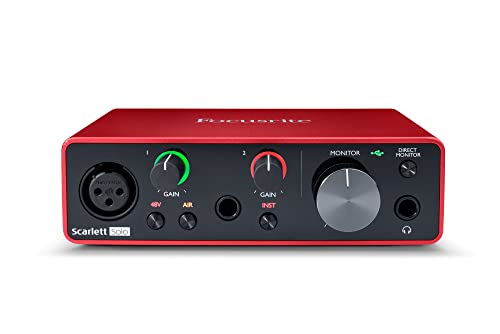
Focusrite Scarlett Solo 3rd Gen USB Audio Interface for Guitarists, Vocalists, Podcasters or Producers to record and playback studio quality sound
- High-Performance Mic Preamps: Bright, clear recordings with Air mode
- High-Headroom Instrument Inputs: Plug in guitars or bass without clipping
- Studio-Quality Conversion: Record at 24-bit/192kHz for professional sound
As an affiliate, we earn on qualifying purchases.
As an affiliate, we earn on qualifying purchases.
Frequently Asked Questions
How Does the Noise Floor Affect Live Concert Sound Quality?
The noise floor impacts your live concert experience by lowering sound clarity and affecting audience perception. When the noise floor is high, background sounds like equipment hum or ambient noise drown out the music, making it harder to hear details. This can reduce the overall enjoyment and make the performance feel less vibrant. To guarantee a great experience, sound engineers work to minimize the noise floor for better clarity and audience engagement.
Can Noise Floor Levels Vary Between Different Audio Devices?
Absolutely, noise floor levels can vary dramatically between different audio devices, sometimes even sounding like a whisper compared to a roar. Device variability stems from manufacturing differences and design choices, while measurement standards help guarantee consistency. Lower noise floors generally mean cleaner sound with less background hiss, so choose your gear wisely. Comparing devices based on these standards helps you find equipment that delivers the quiet, pure listening experience you deserve.
What Is Considered an Acceptable Noise Floor for High-Fidelity Audio?
An acceptable noise floor for high-fidelity audio is typically around -90 dB or lower. This level minimizes background noise, ensuring you experience clear signal clarity without distractions. When the noise floor is too high, it can mask subtle details and reduce overall listening quality. Aim for equipment with a low noise floor so you can enjoy pure sound, free from background noise that detracts from your listening experience.
How Does Room Acoustics Influence the Noise Floor During Listening?
Your room’s acoustics can make the noise floor feel like a thunderstorm or a whisper. Room modes cause resonances that amplify background sounds, drastically raising the noise floor. Without proper acoustic treatments, these issues worsen, drowning out subtle details. To keep your listening pristine, you must tame room modes with bass traps and diffusers. These treatments transform your space into a quiet sanctuary where music sounds crystal clear.
Are There Ways to Reduce the Noise Floor in Home Audio Setups?
You can reduce the noise floor in your home audio setup by using shielded cables, which block electromagnetic interference, and ensuring proper equipment grounding to prevent hum and static. Keep power strips organized and avoid sharing outlets with noisy appliances. Additionally, use high-quality connectors and keep cables away from electrical devices to minimize interference, creating a cleaner sound environment for better listening experiences.

ZealSound Podcast Microphone for PC, Noise Cancellation USB Mic with Gain, Volume Adjustment & Mute Button, Monitoring & Echo, for YouTube, TikTok, Podcasting, Streaming, iPhone, iPad, Android, Mac
- Studio-Quality Sound: Clear, broadcast-level audio with rich detail
- Noise Reduction Mode: Reduces background noise for cleaner recordings
- Plug-and-Play Compatibility: No drivers needed, works with multiple devices
As an affiliate, we earn on qualifying purchases.
As an affiliate, we earn on qualifying purchases.
Conclusion
So, next time you’re immersed in your favorite song, remember the quiet that’s lurking beneath. That subtle background hum, the faint hiss—it’s all part of the noise floor. But what if that invisible layer hides something unexpected? Could it be masking details you’d never notice? Stay tuned, because once you understand the noise floor, your listening experience will never be the same. And the true soundscape might just surprise you.

Soundcore by Anker Q20i Hybrid Active Noise Cancelling Headphones, Black
- Hybrid Noise Cancelling: Reduces up to 90% external noise
- Detailed Audio Quality: Oversized 40mm drivers with BassUp technology
- Hi-Res Audio Compatibility: Supports Hi-Res audio via AUX cable
As an affiliate, we earn on qualifying purchases.
As an affiliate, we earn on qualifying purchases.

Edifier M60 Multimedia Speaker, 66W RMS Computer Speaker, Black
- Compact and Delicate Design: Suitable for any desktop setup
- Powerful 66W RMS Output: Includes mid-low and treble drivers
- Hi-Res Audio Certified: Supports high-resolution wired and wireless audio
As an affiliate, we earn on qualifying purchases.
As an affiliate, we earn on qualifying purchases.