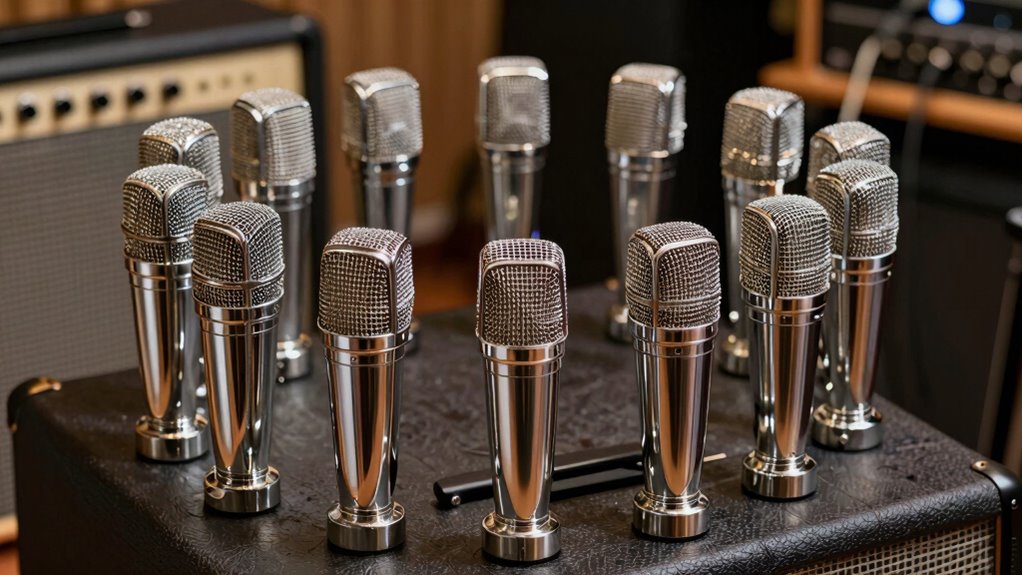
If you’re looking for the best ribbon microphones for guitar amps in 2026, I recommend models like the Royer R-121, AEA R44CE, and the R10 for high SPL handling and warm, natural tones. The SE Electronics X1 series, R88A, and Roswell Cab Mic also stand out for their durability and detailed capture. Each offers unique features suited for capturing electric guitar’s full character. Keep exploring, as I’ll share more tips to find the perfect match for your setup.
Key Takeaways
- Consider models like Royer R-121, R122 Mk II, and R-10 for high SPL handling and natural guitar amp tone.
- Look for microphones with figure-8 patterns for versatile placement and room ambience capture.
- Prioritize durable build quality and shock mounts for reliable performance during live or studio use.
- Ensure SPL ratings exceed 140dB to handle loud guitar amplifiers without distortion.
- Select ribbons with wide frequency response (20Hz–20kHz) for detailed, full-spectrum guitar tone reproduction.
| SE ELECTRONICS – X1 Series Ribbon Microphone and Clip |  | Best Overall | Polar Pattern: Not specified (likely bidirectional) | Frequency Response: 20Hz–16kHz | SPL Handling: Not specified | VIEW LATEST PRICE | See Our Full Breakdown |
| AEA R44CE Ribbon Microphone |  | Vintage Classic | Polar Pattern: Not specified (likely bidirectional) | Frequency Response: Not specified (likely broad, vintage response) | SPL Handling: Not specified | VIEW LATEST PRICE | See Our Full Breakdown |
| Royer Labs R-121 Studio Ribbon Microphone |  | Studio Essential | Polar Pattern: Figure-8 | Frequency Response: Not specified (high SPL handling) | SPL Handling: Max 148 dB | VIEW LATEST PRICE | See Our Full Breakdown |
| Stagg Ribbon Microphone (SRM70) |  | Stage Ready | Polar Pattern: Figure-8 | Frequency Response: 20Hz–18kHz | SPL Handling: Not specified | VIEW LATEST PRICE | See Our Full Breakdown |
| R10 Ribbon Microphone | 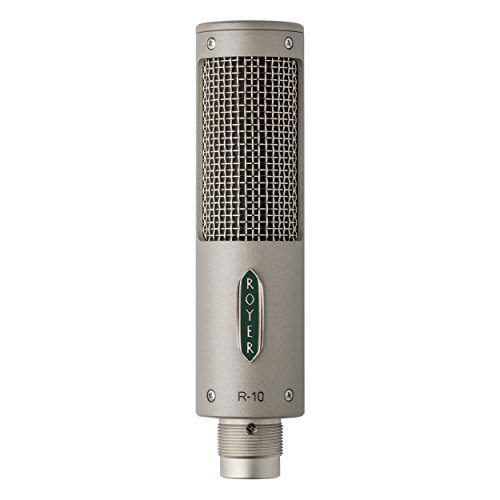 | High SPL Handling | Polar Pattern: Figure-8 | Frequency Response: 20Hz–17kHz | SPL Handling: Up to 160 dB | VIEW LATEST PRICE | See Our Full Breakdown |
| R2 MKII Ribbon Microphone |  | Value Leader | Polar Pattern: Figure-8 | Frequency Response: Not specified (rich, natural sound) | SPL Handling: Not specified | VIEW LATEST PRICE | See Our Full Breakdown |
| Royer Labs R122 Mk II Ribbon Microphone |  | Modern Innovation | Polar Pattern: Figure-8 | Frequency Response: Not specified (high SPL, bright response) | SPL Handling: 160 dB | VIEW LATEST PRICE | See Our Full Breakdown |
| AEA R88A Active Ribbon Microphone |  | Stereo Excellence | Polar Pattern: Bi-directional (Figure-8) | Frequency Response: 20Hz–20kHz | SPL Handling: Not specified | VIEW LATEST PRICE | See Our Full Breakdown |
| MXL R144 HE Heritage Edition Classic Ribbon Microphone |  | Vintage Warmth | Polar Pattern: Figure-8 | Frequency Response: 20Hz–17kHz | SPL Handling: Not specified | VIEW LATEST PRICE | See Our Full Breakdown |
| MXL R144 Multi-Purpose Ribbon Microphone with Shockmount Purple (MXL R144) | 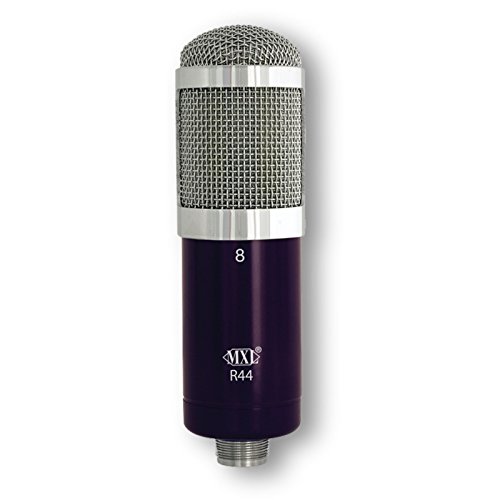 | Versatile Performer | Polar Pattern: Figure-8 | Frequency Response: Not specified (rich, smooth tone) | SPL Handling: Not specified | VIEW LATEST PRICE | See Our Full Breakdown |
| R1 Active MKIII Active Ribbon Microphone |  | Compact Design | Polar Pattern: Bipolar (Figure-8) | Frequency Response: Not specified (classic ribbon response) | SPL Handling: 150 dB | VIEW LATEST PRICE | See Our Full Breakdown |
| AEA R84 Passive Ribbon Microphone |  | Active Power | Polar Pattern: Figure-8 | Frequency Response: Not specified (natural, detailed response) | SPL Handling: Not specified | VIEW LATEST PRICE | See Our Full Breakdown |
| Roswell Cab Mic: High SPL Electric Guitar Recording |  | Easy Setup | Polar Pattern: Not specified (likely bidirectional) | Frequency Response: 20Hz–20kHz | SPL Handling: Not specified | VIEW LATEST PRICE | See Our Full Breakdown |
| Royer R-10 Ribbon Microphone | 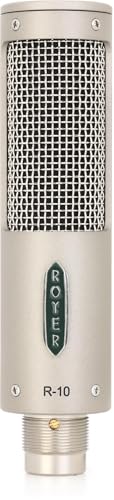 | Professional Power | Polar Pattern: Figure-8 | Frequency Response: Not specified (rich, natural sound) | SPL Handling: Not specified | VIEW LATEST PRICE | See Our Full Breakdown |
| AEA R84A Active Ribbon Microphone | 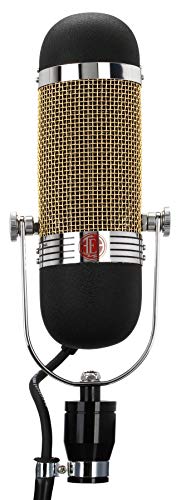 | Rich Tonal Quality | Polar Pattern: Figure-8 | Frequency Response: Not specified (rich midrange, broad response) | SPL Handling: Not specified | VIEW LATEST PRICE | See Our Full Breakdown |
More Details on Our Top Picks
-
AEA Ribbon MICS R44CE Ribbon Microphone
Bluetooth Headphones for Kids: Connect any device including smartphones, tablets, and computers to wirelessly stream high quality, kid-friendly...
As an affiliate, we earn on qualifying purchases.
SE ELECTRONICS – X1 Series Ribbon Microphone and Clip
If you’re looking for a versatile ribbon microphone that delivers clear, natural sound for guitar amps, the SE ELECTRONICS X1 Series is an excellent choice. It features a wide frequency range from 20Hz to 16kHz, capturing the full spectrum of your guitar’s tone. With a low self-noise level of 23dB and a sensitivity of 1.78mV/Pa, it ensures detailed, transparent recordings. Constructed with durable 2.5μm aluminum ribbon and brass, it’s built to last. Weighing just 1.65 pounds and including a clip, it’s easy to set up and use. Overall, it offers professional quality sound with positive user feedback, making it a solid option for guitar amp recording.
- Polar Pattern:Not specified (likely bidirectional)
- Frequency Response:20Hz–16kHz
- SPL Handling:Not specified
- Power Source:Corded (no active electronics)
- Construction Material:Aluminum ribbon, brass body
- Included Accessories:Clip, cable
- Additional Feature:Self-noise level of 23dB
- Additional Feature:Includes a clip
- Additional Feature:Powered via corded electric source
-
Royer Labs R-121 Studio Ribbon Microphone
THE SOUND OF ELECTRIC GUITARS and so much more!
As an affiliate, we earn on qualifying purchases.
AEA R44CE Ribbon Microphone
The AEA R44CE Ribbon Microphone stands out as the top choice for musicians and engineers seeking authentic vintage sound with modern reliability. It faithfully replicates the classic RCA 44 design, built with original specifications, ribbon material, and machined parts, ensuring historical accuracy. Weighing about 8.8 pounds, it’s robust and designed for professional use, including a case and stand adapter. Its durability and high-fidelity reproduction make it perfect for capturing the true character of guitar amps. Since its reintroduction in 2012, the R44CE has maintained its reputation for quality, blending vintage aesthetics with contemporary craftsmanship that appeals to those valuing heritage and sound authenticity.
- Polar Pattern:Not specified (likely bidirectional)
- Frequency Response:Not specified (likely broad, vintage response)
- SPL Handling:Not specified
- Power Source:Not specified (passive)
- Construction Material:Not specified
- Included Accessories:Case, stand adapter
- Additional Feature:Acquired ribbon material and tooling
- Additional Feature:Includes case and stand adapter
- Additional Feature:Retro RCA 44 design
-
Stagg Ribbon Microphone (SRM70)
A classic ribbon microphone featuring vivid, natural sound and quick transient response
As an affiliate, we earn on qualifying purchases.
Royer Labs R-121 Studio Ribbon Microphone
Designed with patented offset ribbon technology, the Royer Labs R-121 Studio Ribbon Microphone is an excellent choice for musicians and engineers who demand consistent, high-quality sound at high SPLs. Its innovative design places the ribbon element closer to the front, allowing it to move freely within the magnetic field and maintain a flat frequency response even at loud volumes. Built to withstand heat and humidity, it’s highly durable and reliable. The figure-8 polar pattern captures sound equally from the front and back, making it versatile for various recording situations. With extremely low noise and minimal distortion, the R-121 preserves the nuances of your guitar amps beautifully.
- Polar Pattern:Figure-8
- Frequency Response:Not specified (high SPL handling)
- SPL Handling:Max 148 dB
- Power Source:Not specified (passive)
- Construction Material:Ribbon: aluminum, body: metal
- Included Accessories:Case, shock mount
- Additional Feature:Patented offset ribbon technology
- Additional Feature:Figure-8 polar pattern
- Additional Feature:No internal active electronics
Stagg Ribbon Microphone (SRM70)
For musicians seeking a natural and warm sound on stage or in the studio, the Stagg Ribbon Microphone (SRM70) offers an excellent choice. Its classic ribbon design delivers vivid, authentic sound with quick transient response, making it perfect for vocals and a variety of instruments. The figure-8 polar pattern adds versatility, capturing sound from front and back while rejecting unwanted noise. Built with pure aluminium ribbon material, it handles high sound pressure levels up to 148 dB. With a sensitivity of -52 dB and a broad frequency response of 20 Hz to 18 kHz, it’s ideal for professional recording and live performances. A shock mount is included for added convenience.
- Polar Pattern:Figure-8
- Frequency Response:20Hz–18kHz
- SPL Handling:Not specified
- Power Source:Shock-mounted, passive
- Construction Material:Pure aluminum ribbon, metal body
- Included Accessories:Shock mount
- Additional Feature:Vivid, natural sound
- Additional Feature:Quick transient response
- Additional Feature:Shock mount included
R10 Ribbon Microphone
If you’re seeking a ribbon microphone that can handle extremely high sound pressure levels without distortion, the R10 Ribbon Microphone stands out as an excellent choice. Built in California, it features a rugged, compact metal housing and a 2.5-micron aluminum ribbon element with Royer’s patented direct-corrugation process. Capable of handling up to 160 dB SPL, it’s perfect for loud guitar cabinets and drums. Its phase-linear design, humbucking wiring, and open grill minimize noise and standing waves, ensuring a smooth, natural sound. Whether in studio or live settings, the R10 offers durability, versatility, and exceptional high SPL performance for capturing powerful sound sources.
- Polar Pattern:Figure-8
- Frequency Response:20Hz–17kHz
- SPL Handling:Up to 160 dB
- Power Source:Passive
- Construction Material:Aluminum ribbon, metal housing
- Included Accessories:Windscreen, shock mount
- Additional Feature:Built-in windscreen
- Additional Feature:Internally shock-mounted transducer
- Additional Feature:Humbucking wiring reduces noise
R2 MKII Ribbon Microphone
The R2 MKII Ribbon Microphone stands out with its figure-8 polar pattern, making it an excellent choice for capturing the full tonal character of guitar amps in both professional and home studio settings. Its durable brass construction and golden finish give it a premium look and feel. Connecting via XLR, it’s straightforward to integrate into any setup. Since its debut in 2011, it’s received rave reviews, averaging 4.8 stars from users, thanks to its reliable performance. As a best seller in its category, the R2 MKII offers great value, supported by a manufacturer warranty. It’s readily available online and in stores, helping you make an informed purchase.
- Polar Pattern:Figure-8
- Frequency Response:Not specified (rich, natural sound)
- SPL Handling:Not specified
- Power Source:Passive
- Construction Material:Brass body, aluminum ribbon
- Included Accessories:Windscreen
- Additional Feature:Durable brass construction
- Additional Feature:Gold finish
- Additional Feature:Best seller ranking #8
Royer Labs R122 Mk II Ribbon Microphone
Crafted in the USA with advanced acoustic technology, the Royer Labs R122 Mk II ribbon microphone stands out for its innovative offset ribbon design, which provides a brighter sound when placed close to a sound source. Its large 2.5-micron ribbon element and active electronics ensure ideal impedance matching, delivering clear, natural tones. The figure-8 pattern allows for versatile bidirectional recording, ideal for capturing guitar amps with rejection of side noise. With a switchable -15 dB pad and bass cut filter, it offers precise sound control. Overall, the R122 Mk II combines robust build quality and innovative technology, making it a top choice for studio and live guitar amp miking.
- Polar Pattern:Figure-8
- Frequency Response:Not specified (high SPL, bright response)
- SPL Handling:160 dB
- Power Source:Active electronics, phantom power
- Construction Material:Metal construction, internal electronics
- Included Accessories:None specified
- Additional Feature:Active electronics for high gain
- Additional Feature:Switchable -15 dB pad
- Additional Feature:Bass cut filter included
AEA R88A Active Ribbon Microphone
The AEA R88A Active Ribbon Microphone stands out for its ability to deliver detailed stereo recordings with impressive gain, making it an excellent choice for capturing guitar amps in professional settings. Its active circuitry, powered by 48V phantom power, provides 12dB more gain than passive ribbon mics, ensuring clear, open sound even from quiet sources. The large diaphragm design captures full impact and nuance, while its stereo configuration creates a natural soundfield. With included accessories like a protective case and swivel adapter, it’s built for versatility and durability. Whether in studio or live environments, the R88A’s transparency and richness make it a top contender for high-fidelity guitar amp recordings.
- Polar Pattern:Bi-directional (Figure-8)
- Frequency Response:20Hz–20kHz
- SPL Handling:Not specified
- Power Source:Active, phantom power
- Construction Material:Large diaphragm, metal body
- Included Accessories:Case, accessories
- Additional Feature:Stereo ribbon design
- Additional Feature:Includes stage case
- Additional Feature:Two-channel output
MXL R144 HE Heritage Edition Classic Ribbon Microphone
If you’re after a vintage-inspired microphone that delivers warm, detailed recordings with minimal external gain, the MXL R144 HE Heritage Edition Classic Ribbon Microphone is an excellent choice. Its figure-8 polar pattern captures sound with rich character, making it perfect for vocals and instruments, including guitar amps. The microphone’s frequency response extends up to 17 kHz, adding clarity without sacrificing warmth. Built with a durable metal body and a Frosted Silver finish, it includes a shock mount, carrying case, and accessories for easy setup and transport. With positive user feedback and a solid reputation, this ribbon mic offers vintage tone qualities ideal for professional recordings.
- Polar Pattern:Figure-8
- Frequency Response:20Hz–17kHz
- SPL Handling:Not specified
- Power Source:Passive
- Construction Material:Metal body, aluminum ribbon
- Included Accessories:Shock mount, case
- Additional Feature:Vintage-inspired design
- Additional Feature:Includes shock mount
- Additional Feature:Frosted Silver finish
MXL R144 Multi-Purpose Ribbon Microphone with Shockmount Purple (MXL R144)
For musicians seeking a versatile microphone that captures rich, smooth midrange tones, the MXL R144 Multi-Purpose Ribbon Microphone with Shockmount stands out. Its classic ribbon sound brings warmth and depth, making it ideal for recording instruments and room ambiance. The figure-8 polar pattern ensures natural sound capture from multiple directions, perfect for horns, electric guitars, and ambient recordings. It handles high sound pressure levels well, so loud sources won’t be an issue. Its compact design makes placement easy, and the included shockmount reduces noise and vibrations. Overall, the R144 broadens your tonal options, offering a reliable, multi-purpose solution for various recording scenarios.
- Polar Pattern:Figure-8
- Frequency Response:Not specified (rich, smooth tone)
- SPL Handling:Not specified
- Power Source:Passive
- Construction Material:Metal body, ribbon element
- Included Accessories:Shockmount
- Additional Feature:Rich, smooth sound
- Additional Feature:Includes shockmount
- Additional Feature:Compact design
R1 Active MKIII Active Ribbon Microphone
With its active electronics and transformerless output, the R1 Active MKIII Active Ribbon Microphone delivers a consistent, high-quality sound that’s ideal for guitar amp recordings. It combines the natural, musical tone of classic ribbon mics with modern reliability, thanks to its bipolar/FET low-noise amplifier and stable 48V phantom power. The mic raises signal levels, reduces external interference, and offers flexible features like a switchable -10dB pad and 100Hz low-cut filter. Its removable cable and padded case make it portable and easy to set up. Overall, the R1 Active MKIII balances vintage warmth with contemporary technology for versatile studio and live applications.
- Polar Pattern:Bipolar (Figure-8)
- Frequency Response:Not specified (classic ribbon response)
- SPL Handling:150 dB
- Power Source:Active (powered circuitry)
- Construction Material:Metal construction, ribbon element
- Included Accessories:None specified
- Additional Feature:Bipolar/FET low-noise amplifier
- Additional Feature:Switchable -10dB pad
- Additional Feature:Low-frequency cut filter
AEA R84 Passive Ribbon Microphone
The AEA R84 Passive Ribbon Microphone stands out for its large diaphragm design and natural, detailed sound reproduction, making it an excellent choice for capturing guitar amp tones with warmth and clarity. Its sizable 16.2-inch form factor and pure aluminum ribbon element deliver exceptional transient response, capturing quick attacks and subtle nuances. The figure-8 pattern provides versatile pickup, ideal for studio and live settings. Built with durability in mind, it comes with a protective carrying case and weighs around 2.6 pounds. Whether for vocals, instruments, or ambient sounds, the R84’s rich, natural tone makes it a reliable, professional-grade option for guitar amp miking in 2026.
- Polar Pattern:Figure-8
- Frequency Response:Not specified (natural, detailed response)
- SPL Handling:Not specified
- Power Source:Passive
- Construction Material:Metal body, ribbon
- Included Accessories:Carrying case, accessories
- Additional Feature:Large diaphragm geometry
- Additional Feature:Natural transient response
- Additional Feature:Includes carrying case
Roswell Cab Mic: High SPL Electric Guitar Recording
If you’re after a microphone that handles high sound pressure levels effortlessly while capturing authentic guitar tones, the Roswell Cab Mic stands out. It’s purpose-built for electric guitar cabinet recording, offering a smooth frequency response that reproduces the warmth and natural sound of ribbon microphones without fragility. Its simple positioning—aiming at the center of the cabinet from about six inches away—means no micro-adjustments are needed, making setup quick and consistent. Endorsed by top guitarists like David Grissom and Tim Pierce, it includes a heavy-duty swivel mount and dust cover, ensuring durability and ease of use for professional recordings.
- Polar Pattern:Not specified (likely bidirectional)
- Frequency Response:20Hz–20kHz
- SPL Handling:Not specified
- Power Source:Active (powered)
- Construction Material:Metal body, ribbon
- Included Accessories:Swivel mount, dust cover
- Additional Feature:Ultra-simple positioning
- Additional Feature:Designed for electric guitar
- Additional Feature:Includes dust cover
Royer R-10 Ribbon Microphone
The Royer R-10 Ribbon Microphone stands out for its exceptional ability to handle high sound pressure levels, making it an ideal choice for recording loud guitar amps. Its dynamic ribbon design with a figure-8 polar pattern delivers smooth, high-fidelity sound and effectively captures room ambience. With a flat frequency response and a maximum SPL of 160dB at 1kHz, I can close-mic even the loudest amps without distortion. Despite weighing just 2.7 pounds, it feels sturdy and durable, perfect for both studio and live use. Trusted by professionals, the R-10 offers reliable, high-quality sound in a versatile, well-constructed package.
- Polar Pattern:Figure-8
- Frequency Response:Not specified (rich, natural sound)
- SPL Handling:Not specified
- Power Source:Passive
- Construction Material:Metal body, ribbon element
- Included Accessories:Shockmount
- Additional Feature:High SPL of 160dB
- Additional Feature:Figure-8 polar pattern
- Additional Feature:Rugged construction
AEA R84A Active Ribbon Microphone
For recording guitar amps, capturing warm, smooth tones without harshness is essential, and the AEA R84A Active Ribbon Microphone excels in this area. Its large diaphragm delivers natural, velvety sound with a broad frequency response from 20Hz to 20kHz, handling high SPLs up to 141dB. The powered design provides a hotter signal, ensuring compatibility with various preamps and reducing noise. Perfect for smoothing out bright or shrill sources, it effectively tames cymbals, horns, and sibilant vocals. Weighing around 2.61 pounds, it’s versatile, reliable, and ideal for capturing rich, balanced tones that make guitar amp recordings sound full and professional.
- Polar Pattern:Figure-8
- Frequency Response:Not specified (rich midrange, broad response)
- SPL Handling:Not specified
- Power Source:Passive
- Construction Material:Metal body, ribbon element
- Included Accessories:Shockmount, case
- Additional Feature:High SPL of 141dB
- Additional Feature:Broad 20Hz-20kHz response
- Additional Feature:Smooth, velvety tone
Factors to Consider When Choosing a Ribbon Microphone for Guitar Amps
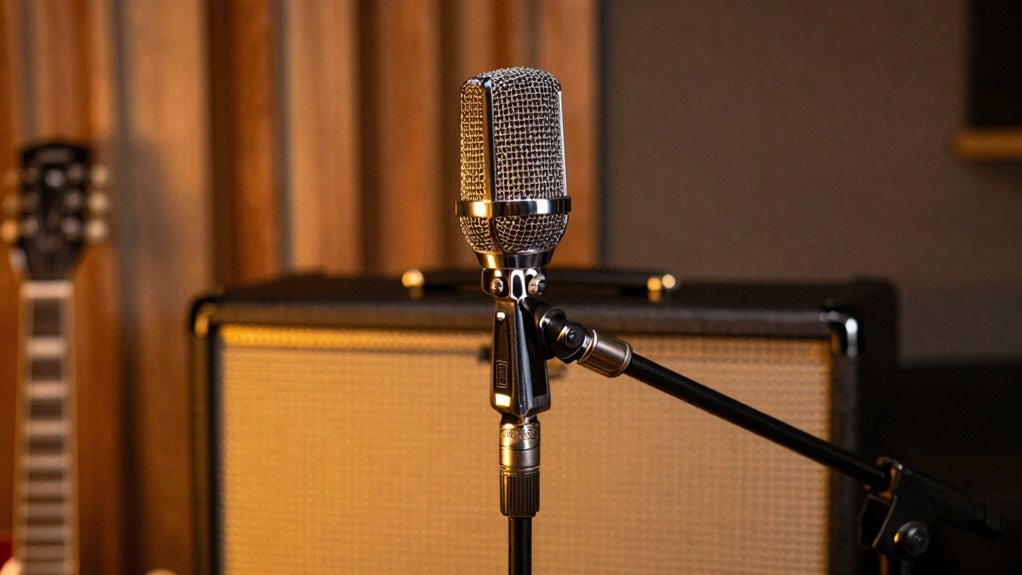
When choosing a ribbon microphone for guitar amps, I focus on factors like frequency response, handling high SPLs, and microphone pattern type to guarantee it captures the tone accurately. I also consider build quality and compatibility to make sure it’s durable and easy to connect. Understanding these points helps me pick a mic that suits my sound and setup perfectly.
Frequency Response Range
Choosing the right ribbon microphone depends heavily on its frequency response range, as this determines how accurately it captures your guitar amp’s full tonal spectrum. A wider response, typically from 20Hz to 20kHz, allows the mic to reproduce both deep bass and bright high-end, providing a more natural sound. Some microphones extend beyond 16kHz, capturing the sparkle and shimmer of distorted or clean tones more effectively. Conversely, a narrower range might emphasize certain frequencies, altering your guitar’s natural character. Understanding the frequency response helps you select a mic that complements your amp’s tonal qualities. If you want to preserve the brightness and clarity of your sound, look for a microphone with a broad, flat response that covers the full spectrum of your guitar’s sound.
Handling High SPLs
To effectively capture the raw power of a guitar amp, your ribbon microphone must handle high sound pressure levels without distorting. Look for models with a maximum SPL rating of at least 140dB, ensuring they can handle loud volumes without losing fidelity. It’s also important that the mic has internal shock mounting and a sturdy build to withstand the intense sound pressure and prevent damage. Consistent frequency response at high SPLs guarantees you capture the full tonal spectrum accurately. Additionally, opt for microphones with active electronics or built-in transformers designed for high SPLs, which help preserve sound quality even in extreme levels. Instruments recording-specific ribbon mics often feature higher SPL handling, making them ideal choices for guitar amp recordings.
Microphone Pattern Type
The pattern a ribbon microphone employs considerably influences how it captures the sound of a guitar amp. Most ribbon mics feature a figure-8 polar pattern, capturing sound equally from the front and rear while rejecting the sides. This makes them excellent for capturing the natural ambiance and room sound around your amp. The figure-8 pattern also offers superb rejection of off-axis noise, which is beneficial in both live and studio settings with ambient noise. Additionally, this bidirectional pattern is great for mid-side stereo recording, allowing you to enhance spatial imaging. It also provides precise placement and phase control when recording multiple sources or blending with other microphones. Overall, the pattern type plays a crucial role in shaping the tonal and spatial qualities of your guitar amp recordings.
Build Quality and Durability
When selecting a ribbon microphone for guitar amps, building quality and durability are crucial factors that guarantee reliable performance over time. A sturdy construction, often made from metals like brass or aluminum, ensures the mic can handle the demands of live and studio use. Features like shock mounts, reinforced grilles, and strong internal components protect the delicate ribbon element from physical damage and environmental stress. The ribbon material itself, usually aluminum, needs to be precisely manufactured—around 2.5μm or thinner—to maintain longevity and consistent sound quality. Reliable connectors, such as high-quality XLRs, prevent connection issues and damage from handling. Overall, a well-built microphone resists humidity, temperature changes, and shocks, making it dependable across various recording and performance environments.
Compatibility and Connectivity
Choosing the right ribbon microphone for your guitar amp means paying close attention to compatibility and connectivity. First, verify the microphone has the correct connector, like XLR, to match your amp’s output and your recording gear. Check that the microphone’s impedance aligns with your audio interface or preamp to guarantee ideal signal transfer and prevent tone loss. Some active ribbon mics require 48V phantom power—confirm if your setup supplies this or if you need a fully passive model. Also, confirm that the microphone’s maximum SPL handling capacity exceeds your amp’s loudness to avoid distortion or damage. Lastly, consider the polar pattern, such as figure-8, to ensure it captures your desired sound source while rejecting unwanted noise. Proper compatibility and connectivity are key to getting the best sound.
Frequently Asked Questions
How Do Ribbon Microphones Handle High-Volume Guitar Amp Recordings?
Ribbon microphones handle high-volume guitar amp recordings really well because they naturally roll off some high frequencies, preventing harsh sounds. They’re quite sensitive, so I make sure to use proper placement and sometimes add a pad to avoid distortion. Their smooth, warm tone captures the amp’s character beautifully without breakup, making them a favorite for recording guitar amps at high volumes.
Which Ribbon Microphones Provide the Best Tonal Balance for Guitar Amps?
Like a finely tuned instrument, the Beyerdynamic M160 offers exceptional tonal balance for guitar amps. I’ve found it captures the warmth and sparkle without overpowering, making it versatile for various styles. The RCA BK-5 also provides a rich, detailed sound that complements different amp setups. These mics handle the nuances of your guitar tone, giving you a clear, natural sound that truly stands out in recordings.
Are Ribbon Microphones Suitable for Live Guitar Amp Performances?
Yes, ribbon microphones can be suitable for live guitar amp performances, but with some considerations. I find they deliver a warm, smooth tone that’s great in controlled environments. However, they’re more delicate and can be susceptible to humidity and physical damage, so I recommend using models designed for live use and handling them carefully. Proper placement and a good shock mount also help guarantee reliable performance on stage.
How Does Microphone Placement Affect Guitar Amp Sound Capture?
Think of microphone placement like painting with a brush; the position shapes the final artwork. I once moved my mic closer to the cone, and suddenly, the amp’s gritty tone became punchier and more detailed. Placement affects tone, volume, and clarity—being close captures warmth, while farther away adds room ambiance. Experimenting with angles and distances transforms your sound, just like tuning a guitar or adjusting settings.
What Maintenance Is Required for Ribbon Microphones Used With Guitar Amps?
I make sure to handle my ribbon microphones gently to prevent damage. I avoid strong air blasts and keep them away from humidity and dust. Regularly, I check for loose connections or corrosion on the connectors. When not in use, I store them in a protective case and keep them at room temperature. Occasionally, I use a soft brush to clean the ribbon element carefully, ensuring peak sound quality and longevity.
Conclusion
Choosing the right ribbon microphone can transform your guitar tone, blending warmth with clarity. Like a fine wine, it’s all about balance—too bright, and you lose depth; too dark, and you miss the sparkle. It’s not just about price or brand, but how it captures your sound’s soul. In the end, the perfect mic isn’t just a tool, but a partner that reveals your guitar’s true voice.