
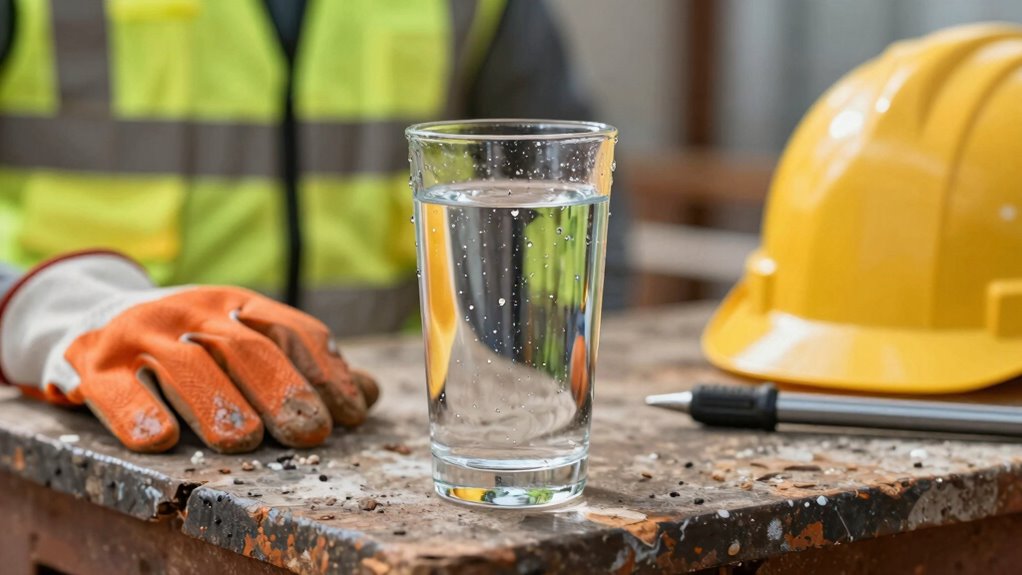

Staying hydrated isn’t just about feeling comfortable; it’s a critical safety measure. When you’re dehydrated, your body can’t maintain electrolyte balance or proper blood flow, which can impair your coordination, alertness, and reaction time. This increases your risk of accidents, especially in demanding environments like construction sites or while driving. Recognizing early signs and keeping well-hydrated helps prevent these dangers. Continuing to learn about hydration can make a real difference in staying safe and healthy.

Get audio and creator gear delivered free with Prime
- Fast, free delivery on millions of items
- Prime Video, Amazon Music and more included
- Member-only deals all year
Key Takeaways
- Dehydration impairs cognitive and physical functions, increasing accident and injury risks in safety-critical environments.
- Low fluid levels reduce blood volume, causing dizziness, fainting, and impaired reaction times.
- Electrolyte imbalances from dehydration can lead to severe health emergencies like heart rhythm issues.
- Hot weather and physical activity accelerate fluid loss, heightening the danger of dehydration-related incidents.
- Early recognition and proper hydration are essential for maintaining safety and preventing serious health complications.
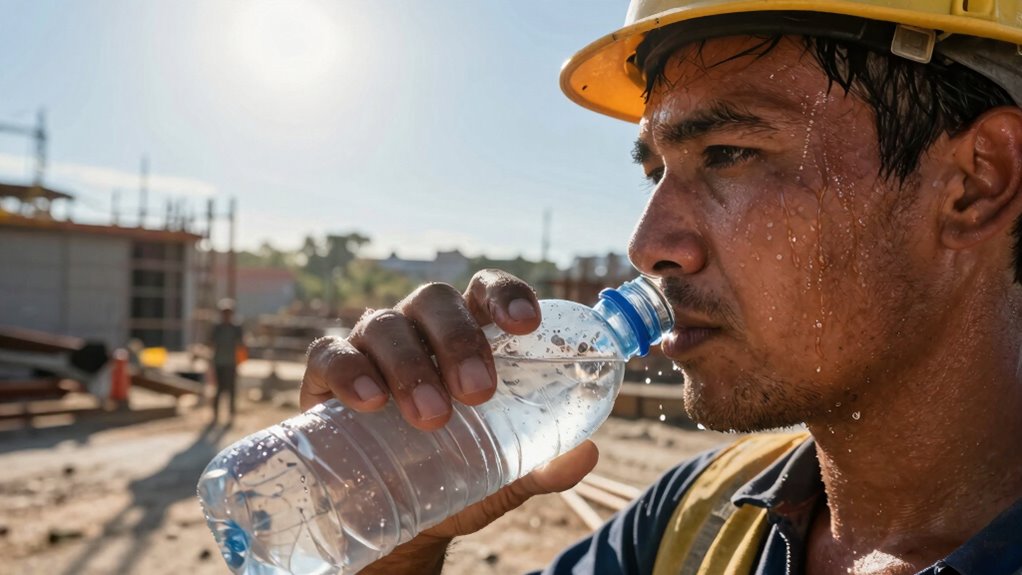
Have you ever considered how essential hydration is to safety? It’s not just about feeling comfortable or avoiding thirst—proper hydration directly impacts your body’s ability to function correctly. When you stay well-hydrated, you help maintain your electrolyte balance, which is fundamental for muscle function, nerve signaling, and heart rhythm. If your fluids are low, your body can’t keep these important processes running smoothly, increasing the risk of serious health issues. On the other hand, neglecting hydration can lead to dehydration symptoms, which range from mild fatigue and dizziness to more severe problems like confusion, rapid heartbeat, or fainting. Recognizing these signs early can prevent accidents and health emergencies.
Dehydration isn’t just about feeling parched; it’s a warning sign that your body is losing more fluids than it’s taking in. When you’re dehydrated, your blood volume decreases, making your heart work harder to pump oxygen and nutrients through your body. This can cause a drop in blood pressure and reduce oxygen delivery to essential organs, impairing your ability to think clearly, react quickly, or maintain physical strength. These effects are especially dangerous in high-stakes environments, such as construction sites, manufacturing floors, or while driving. It’s indispensable to stay ahead of dehydration by drinking fluids regularly, especially during hot weather, intense activity, or long shifts where you might not notice how much you’re sweating. Additionally, understanding how electrolyte imbalances affect your body can help you better manage hydration needs in demanding situations, and being aware of early dehydration signs can prompt prompt action to prevent more serious complications. Recognizing that dehydration can impair cognitive function emphasizes the importance of maintaining hydration to support safety, as well as enhancing overall well-being in any setting.
As an affiliate, we earn on qualifying purchases.
Frequently Asked Questions
How Does Dehydration Affect Workplace Safety?
Dehydration can substantially impair your judgment, coordination, and reaction time, increasing workplace safety risks. By following hydration policies and participating in workplace hydration programs, you stay alert and reduce accidents. Proper hydration helps maintain focus and physical performance, especially in physically demanding jobs. When you stay hydrated, you lower the likelihood of heat-related illnesses and injuries, making your work environment safer for everyone.
What Are Signs of Dehydration in Extreme Environments?
When working in extreme environments, dehydration can sneak up like a thief in the night, showing signs such as dizziness, muscle cramps, and confusion. You might notice electrolyte imbalance causing irregular heartbeat or heat exhaustion, with heavy sweating and weakness. If you see these signs, it’s a clear warning to hydrate immediately. Ignoring them can lead to serious health risks, making hydration a essential safety measure, not just comfort.
Can Dehydration Lead to Long-Term Health Problems?
Dehydration can cause long-term health problems by disrupting your electrolyte balance and impairing kidney function. When you’re dehydrated, your body struggles to maintain proper electrolyte levels, leading to issues like muscle weakness or irregular heartbeats. Over time, impaired kidney function may result in chronic kidney disease. Staying well-hydrated helps protect your electrolyte balance and supports your kidneys, reducing the risk of serious, lasting health issues.
How Much Water Is Recommended During Physical Activity?
Think of your body as a high-performance engine; it needs the right fuel—water—to run smoothly. During physical activity, aim to drink about 7-10 ounces of water every 10-20 minutes, focusing on hydration timing. Incorporate electrolyte-rich drinks to maintain electrolyte balance, preventing cramps and fatigue. Don’t wait until you’re thirsty—regular sips guarantee your body stays properly hydrated and safe throughout your workout.
Are Certain Populations More Vulnerable to Dehydration Risks?
Yes, some populations are more vulnerable to dehydration risks. As you age, elderly vulnerability increases because your sense of thirst diminishes, and kidney function declines. Infants are also at higher risk because they can’t communicate their needs and have a higher fluid turnover. You should pay extra attention to these groups, ensuring they stay properly hydrated to prevent serious health issues.
As an affiliate, we earn on qualifying purchases.
Conclusion
Remember, staying hydrated isn’t just about feeling good—it’s about keeping your body’s engine running smoothly. Picture your cells as tiny, busy workers, needing water to do their jobs without breaking down. When you neglect hydration, it’s like draining their fuel. So, sip that water regularly, especially when you’re out in the sun or pushing yourself. Protect your safety by keeping your internal world well-watered—you’ll navigate life’s challenges with clarity and strength.
As an affiliate, we earn on qualifying purchases.
As an affiliate, we earn on qualifying purchases.
Fall Picks
fall essentials
As an affiliate, we earn on qualifying purchases.