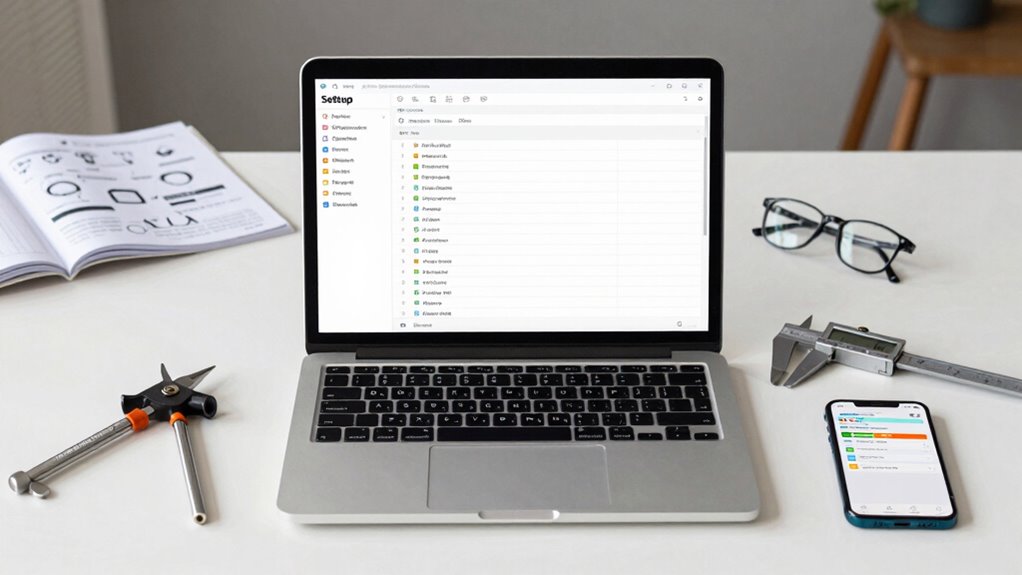

Before ordering expensive smart equipment, check your budget to make sure you’re balancing features, quality, and costs, including hidden expenses. Research vendor reputation for quality and support, and read user reviews for real-life experiences. Measure your space and verify device compatibility with your current tech setup to avoid surprises. Review installation guides to gauge ease and identify if extra help is needed. If you’re ready for an all-inclusive guide to streamline your smart device setup, keep exploring.

Get audio and creator gear delivered free with Prime
- Fast, free delivery on millions of items
- Prime Video, Amazon Music and more included
- Member-only deals all year
Key Takeaways
- Verify device compatibility with your existing smart home ecosystem and Wi-Fi setup.
- Review setup instructions and user guides to assess installation difficulty.
- Confirm the vendor’s reputation, reviews, and warranty policies for reliability.
- Measure available space and plan for installation requirements like power sources.
- Ensure security features and data management options align with your privacy needs.
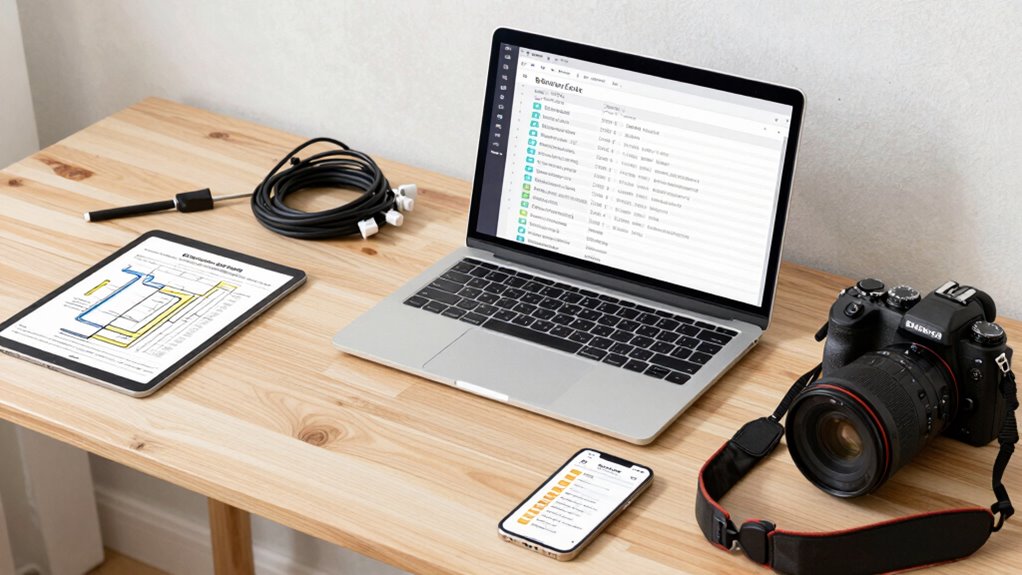
When you’re gearing up to purchase new smart devices, having a clear setup plan can save you time and frustration. Before clicking “buy,” it’s essential to pause and evaluate a few key factors that can make or break your experience. One of the first things to consider is your budget. Setting a realistic budget helps narrow down your options and prevents you from overspending on features you don’t need. Remember, the most expensive device isn’t always the best fit for your situation. Look for products that offer the right balance of features, quality, and price. Sometimes, cheaper options from reputable brands perform just as well as premium models, especially if you’re not seeking advanced capabilities. To avoid surprises, check for hidden costs like subscription fees or additional accessories that might be necessary for full functionality.
Next, you want to think about vendor reputation. Not all brands or sellers are created equal. Do some research on the manufacturer’s track record for quality, customer support, and software updates. Reading reviews and ratings can give you insights into real user experiences. A vendor with a solid reputation is more likely to provide reliable devices and timely support if something goes wrong. Additionally, verify if the vendor offers clear warranties and return policies. This can save you headaches if the device arrives damaged or doesn’t meet your expectations. When you prioritize reputable vendors, you’re investing in peace of mind, knowing that your purchase is backed by a responsible company. It’s also helpful to look into brand reliability to ensure long-term satisfaction with your smart home investments.
Once you’ve evaluated your budget and vendor reputation, consider your home environment and existing tech setup. Ensure the devices you choose are compatible with your current Wi-Fi network and other smart tech. Take measurements of your space if needed to confirm that the devices will fit well and can be positioned for optimal performance. Planning ahead for installation requirements, like compatible hubs or power sources, will save you time during setup. Also, think about your comfort with technology—some devices might require more technical know-how, so if you’re less tech-savvy, opt for models with straightforward interfaces and good customer support. Additionally, exploring cloud server solutions can help ensure your data management is secure and scalable as your smart home ecosystem grows. Being aware of security considerations is also crucial to protect your personal information and prevent unauthorized access. Furthermore, understanding how device compatibility aligns with your existing ecosystem can prevent future integration issues.
Finally, don’t forget to review the setup instructions and user guides before placing your order. Knowing what to expect can help you determine whether you’re comfortable with the process or if you might need extra help. Having all these considerations in mind before making your purchase ensures you’re a smart buyer, ready to enjoy your new devices without unnecessary stress. This proactive approach guarantees your investment delivers the convenience and functionality you’re seeking, making your smart home journey smoother from the start.
smart home device compatibility checker
As an affiliate, we earn on qualifying purchases.
As an affiliate, we earn on qualifying purchases.
Frequently Asked Questions
How Do I Determine the Right Specifications for My Needs?
To determine the right specifications for your needs, start by evaluating equipment compatibility with your existing setup. Check the power requirements to guarantee your power supply can handle the new equipment without issues. Consider your usage needs, future expansion, and technical features. Research product specifications thoroughly, consult with experts if needed, and compare options. This approach helps you choose equipment that fits seamlessly and performs reliably, avoiding costly mistakes.
What Is the Average Cost of Professional Setup Services?
You’re wondering about the average cost of professional setup services, right? Typically, these services range from $100 to $500, depending on equipment upgrades and complexity. Budget planning becomes essential here, as investing in expert setup guarantees ideal performance and longevity. You’ll save time, avoid mistakes, and maximize your investment, making professional setup a smart choice. Prioritize quality, plan your budget wisely, and enjoy seamless, hassle-free equipment integration.
How Long Does the Setup Process Typically Take?
The setup process usually takes between a few hours to a full day, depending on the complexity of the technology integration involved. You’ll spend time troubleshooting during installation to guarantee everything runs smoothly. If you’re unfamiliar with the equipment, expect extra time for setup troubleshooting. Planning ahead and having all necessary tools ready can help speed up the process, making your upgrade more efficient and less stressful.
Are There Any Warranties or Guarantees on Setup?
Coincidences happen, and luckily, many suppliers offer warranties or guarantees on setup. You’ll want to check warranty coverage and guarantee policies before purchasing, as these often include support if issues arise during installation or shortly after. Carefully review the terms, noting what’s covered and for how long, ensuring you’re protected. This way, you can confidently invest, knowing that support and peace of mind are built into your purchase.
What Are Common Pitfalls to Avoid During Installation?
During installation, avoid common pitfalls like neglecting installation safety protocols, which can lead to accidents or damage. Confirm proper equipment calibration to guarantee peak performance and accuracy. Don’t rush the process—skipping steps can cause errors or void warranties. Always double-check connections and follow manufacturer instructions carefully. By prioritizing safety and precise calibration, you reduce risks and ensure your investment operates smoothly and reliably from the start.
As an affiliate, we earn on qualifying purchases.
Conclusion
By following this foolproof setup checklist, you’ll confidently compare, clarify, and confirm your costly equipment choices. Remember, thorough research and thoughtful testing prevent pricey pitfalls and promote perfect purchases. With a keen eye and a calm mindset, you’ll avoid regrets and embrace the benefits of your smart buying strategy. Stay sharp, be savvy, and step confidently into your next purchase — because a prepared buyer is a powerful buyer!
Wi-Fi signal booster for smart home
As an affiliate, we earn on qualifying purchases.
As an affiliate, we earn on qualifying purchases.
smart home security camera with easy setup
As an affiliate, we earn on qualifying purchases.
As an affiliate, we earn on qualifying purchases.
Columbus Day / Indigenous Peoples' Day Picks
long weekend sales
As an affiliate, we earn on qualifying purchases.