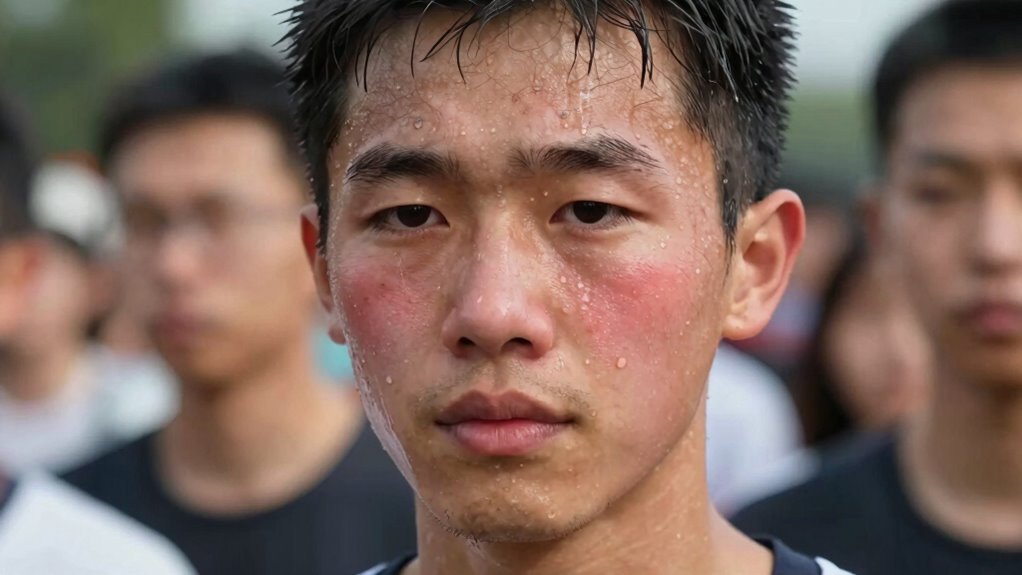

To recognize overheating faster than others, pay close attention to subtle cues like feeling faint or dizziness before others do. Notice if your skin feels hot and damp, even without heavy sweating, and watch for early signs like muscle cramps or headaches. Your body might start sweating excessively or feel warmer than everyone around you. Staying alert to these small changes helps you act quickly. Keep exploring to uncover more tips on staying safe in the heat.

Get audio and creator gear delivered free — and shop member deals
- Fast, free delivery on millions of items
- Access to Prime Big Deal Days deals on October 6–7
- Prime Video, Amazon Music and more included
Key Takeaways
- Pay attention to feeling faint, dizzy, or excessively sweaty before others show signs of overheating.
- Notice if your skin feels hot, damp, or if you experience a rapid heartbeat early on.
- Recognize subtle symptoms like muscle cramps or headaches that may appear sooner than in others.
- Be aware of personal sensations of exhaustion or nausea that develop ahead of the group.
- Monitor your body’s response to heat and activity, acting promptly when early warning signs appear.
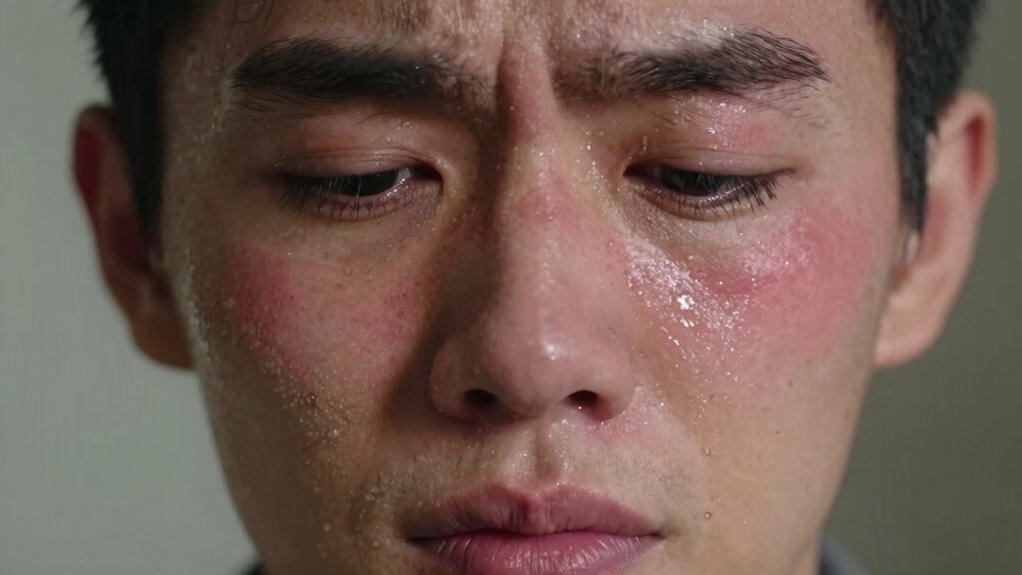
Have you ever noticed your device or engine getting unusually hot? That’s often a sign that something’s wrong, and it’s essential to catch it early before damage occurs. But it’s not just machines that overheat; your body can overheat too, and recognizing the signs quickly can make all the difference. One of the first signs you might notice is heat exhaustion, which often presents with early symptoms that can be subtle but are important to identify. If you start feeling unusually weak, dizzy, or nauseous, it’s a clear sign that your body is struggling to cope with heat. You might also experience heavy sweating, clammy skin, or a rapid heartbeat. These early symptoms are your body’s way of warning you that it’s overwhelmed and needs immediate cooling or hydration.
To recognize overheating faster than those around you, pay close attention to how you feel compared to others. If everyone else seems comfortable but you’re starting to feel faint or excessively sweaty, that’s a red flag. Heat exhaustion symptoms tend to develop gradually but can escalate quickly if ignored. You may notice a headache creeping in, muscle cramps, or a feeling of exhaustion that’s more intense than usual. These are clear indicators that your core temperature is rising, and you need to act fast. By tuning into these early symptoms, you can take steps like moving to a cooler environment, drinking water, or resting before the situation worsens. Being aware of body responses to heat and how they differ from others can give you an important advantage in recognizing overheating early. Additionally, understanding biodiversity and environmental factors can help you better anticipate heat risks in your surroundings, especially in areas with limited shade or high humidity.
Notice faintness or excessive sweating earlier than others to prevent heat exhaustion from escalating.
Your body provides clues that are easy to overlook if you’re not paying close attention. For example, if your skin feels hot and damp or if you’re sweating more than usual, it’s a sign to slow down and cool off. Recognizing these signs early allows you to intervene before the situation becomes critical. Being aware of these signals allows you to intervene early, potentially preventing heatstroke, which is far more dangerous. If you notice any of these early symptoms, don’t dismiss them just because others seem fine. Your ability to recognize heat exhaustion sooner than others gives you the advantage of taking preventative action swiftly. Developing body awareness in extreme temperatures can be instrumental in avoiding serious heat illnesses.
In environments where overheating is common, like during physical activity or in hot weather, staying vigilant about these early symptoms becomes even more critical. Pay attention to how your body responds and don’t wait until you feel completely drained or dizzy to act. Recognizing the signs early on helps you stay ahead of overheating, keeping yourself safe and healthy. Remember, catching heat exhaustion in its early stages is key to preventing more serious heat-related illnesses. Being familiar with early warning signs of heat illness can help you act quickly to prevent severe health issues.
personal heat exhaustion warning device
As an affiliate, we earn on qualifying purchases.
As an affiliate, we earn on qualifying purchases.
Frequently Asked Questions
Can Emotional Stress Cause Overheating Symptoms?
Yes, emotional stress can cause overheating symptoms. When you’re stressed, your body releases adrenaline and cortisol, triggering physical symptoms like increased heart rate, sweating, and a sensation of heat. These responses can mimic overheating, making you feel uncomfortably hot even in normal temperatures. Recognizing emotional stress as a cause helps you manage your stress levels, which may alleviate these physical symptoms and reduce the feeling of overheating.
How Does Dehydration Influence Overheating Risk?
Dehydration considerably increases your risk of overheating because it disrupts your electrolyte balance, impairing your body’s ability to regulate temperature. When you’re dehydrated, your body can’t cool itself efficiently, raising your overheating risk. To prevent this, follow hydration strategies like drinking plenty of water regularly and replenishing electrolytes with sports drinks during intense activity. Staying well-hydrated helps maintain your body’s cooling mechanisms and reduces overheating chances.
Are There Age Groups More Prone to Overheating?
You’re like a delicate flower, more sensitive to heat as you age. Older adults and young children are especially vulnerable demographics, with age-related factors like decreased sweat response and thinner skin making them prone to overheating. It’s essential to monitor these groups closely, as their bodies can’t cool down as efficiently. Being aware of age-related risks helps you take proactive steps to prevent heat-related illnesses.
Can Medication Side Effects Mimic Overheating?
Yes, medication side effects can mimic overheating. Some medications, especially those involving medication interactions, can cause symptoms like sweating, flushing, or rapid heartbeat, which resemble overheating. If you notice these signs after starting a new medication, consult your healthcare provider for proper side effect management. They can help determine if your symptoms are medication-related and adjust your treatment plan to prevent overheating or other adverse effects.
What Are Early Signs of Heat Exhaustion?
You might feel your muscles tighten like a coiled spring, signaling heat cramps, and notice your sweating patterns changing—perhaps sticky, profuse, or even sparse when you expect more. Early signs of heat exhaustion include dizziness, weakness, headache, and nausea. Your skin may be cool and clammy, yet you still feel overwhelmed by the heat. Trust these subtle signals; they’re your body’s way of warning you to cool down before it’s too late.
As an affiliate, we earn on qualifying purchases.
Conclusion
By paying close attention to your body’s signals, you can spot overheating faster than anyone else around you—it’s like having a superpower! Remember, early signs like excessive sweating, dizziness, or confusion are your body’s way of shouting for help. Don’t ignore these clues; act immediately to cool down. With this knowledge, you’re not just preventing heat-related illness—you’re becoming a heat-sensing superhero, ready to take control before things get out of hand!
As an affiliate, we earn on qualifying purchases.
As an affiliate, we earn on qualifying purchases.
Fall Picks
fall essentials
As an affiliate, we earn on qualifying purchases.