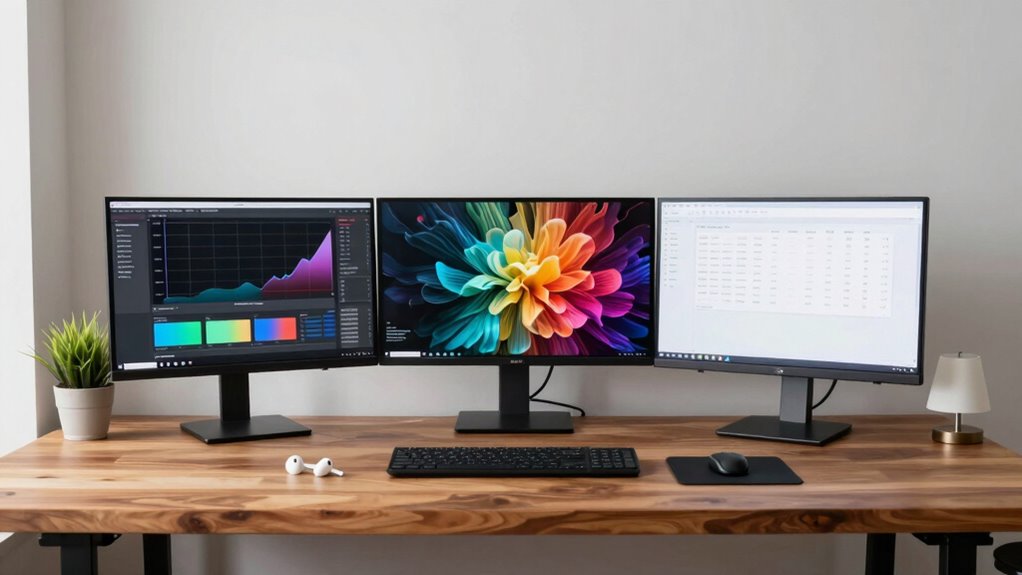

To set up a better monitoring triangle without overthinking, focus on balancing scope, time, and cost by choosing simple, relevant metrics that matter most to your project. Use easy-to-apply tools like dashboards and project management software to visualize progress and costs clearly. Regularly review key indicators and adjust quickly as needed, avoiding unnecessary details. Stick to straightforward metrics and review routines, and you’ll maintain project control with less stress—there’s even more to explore to perfect your approach.

Get audio and creator gear delivered free — and shop member deals
- Fast, free delivery on millions of items
- Access to Prime Big Deal Days deals on October 6–7
- Prime Video, Amazon Music and more included
Key Takeaways
- Focus on clear, relevant KPIs aligned with project goals to simplify monitoring.
- Use straightforward tools like dashboards for real-time, visual progress tracking.
- Automate data collection to reduce manual effort and minimize errors.
- Schedule short, regular reviews to stay updated without overanalyzing details.
- Keep metrics simple and avoid overload by prioritizing essential scope, time, and cost indicators.
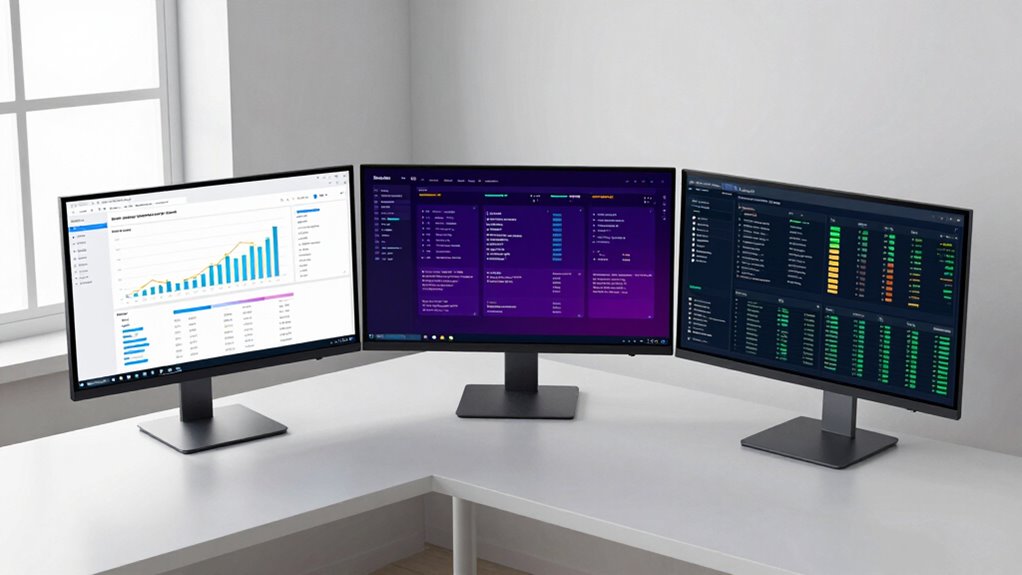
A well-structured monitoring triangle is essential for effective project oversight, but many teams struggle with balancing scope, time, and cost. The key to mastering this balance lies in choosing the right monitoring tools and tracking meaningful performance metrics. Instead of overcomplicating the process, focus on simple, reliable methods to keep everything in check. When you use appropriate monitoring tools, you gain real-time insights that help you identify issues early and make informed decisions quickly. These tools can range from project management software to dashboards that visualize progress and costs. The goal is to have a clear picture of where your project stands without drowning in data. Incorporating performance metrics that align with your project’s objectives ensures your monitoring efforts remain focused and effective.
Performance metrics serve as the backbone of your monitoring efforts. They give you measurable indicators of progress, quality, and efficiency. For example, tracking the percentage of completed tasks against planned milestones helps you gauge scope management. Monitoring cycle times or lead times can reveal bottlenecks in your processes, giving you an opportunity to improve workflow and stay on schedule. Cost metrics, such as budget variance or burn rate, are equally important to avoid overspending. When you consistently measure these metrics, you create a feedback loop that allows you to adjust your approach before small issues turn into major setbacks. Implementing automated data collection can significantly streamline this process and improve accuracy. Additionally, ensuring that your data is accurate and timely is crucial for making reliable decisions. Incorporating real-time data can further enhance your ability to respond swiftly to project changes. Recognizing the importance of data quality can help you maintain the integrity of your monitoring system and avoid misleading conclusions.
To set up a better monitoring triangle without overthinking it, start by defining your key performance indicators (KPIs). These should directly reflect your project’s scope, timeline, and budget. Once you identify your KPIs, select monitoring tools that can track these metrics automatically or with minimal input. Automating data collection not only saves time but also reduces errors, giving you more confidence in your data. It’s *vital* to keep your metrics simple and relevant; don’t get lost in unnecessary details that won’t impact your decision-making.
Regular review sessions are essential to keep your monitoring efforts on track. Schedule brief, focused check-ins to analyze your performance metrics and adjust your course if needed. Remember, the goal isn’t to micromanage but to maintain awareness of your project’s health. As you get more comfortable with your monitoring tools and metrics, you’ll find it easier to make swift, data-driven decisions. This approach keeps scope, time, and cost aligned, ensuring your project stays on course without overthinking every step. Ultimately, a straightforward, disciplined monitoring process helps you deliver successful outcomes with confidence.
project management dashboard software
As an affiliate, we earn on qualifying purchases.
As an affiliate, we earn on qualifying purchases.
Frequently Asked Questions
What Tools Are Best for Monitoring Setups?
You should choose tools that foster a strong monitoring culture and reduce alert fatigue. Consider solutions like Prometheus for metrics, Grafana for visualization, and PagerDuty for alerts. These tools help you set clear thresholds, prioritize alerts, and guarantee your team stays informed without feeling overwhelmed. By integrating these tools thoughtfully, you create an effective monitoring setup that promotes proactive responses and minimizes unnecessary noise.
How Often Should I Review My Monitoring Triangle?
You should review your monitoring triangle at least weekly, or even daily during busy times, to prevent alert fatigue and guarantee data accuracy. Ignoring this can lead to missed critical issues or chasing false alarms, which feels like chasing shadows. Regular reviews keep your alerts sharp and your data trustworthy, so you catch problems early and avoid burnout. Consistency is key—think of it as your health check for your system’s stability.
Can Monitoring Be Automated Effectively?
Yes, monitoring can be automated effectively. You should set up automated alerts to notify you of issues instantly, ensuring swift responses. Monitoring dashboards provide real-time insights, helping you keep an eye on key metrics without manual checks. By integrating these tools, you reduce oversight, save time, and improve overall system reliability. Automation allows you to focus on resolving problems rather than constantly monitoring data manually.
What’s the Biggest Mistake in Monitoring Setups?
The biggest mistake in monitoring setups is ignoring the balance between performance metrics and alert fatigue. You might set up too many alerts, leading to constant noise and missed critical issues. Instead, focus on the most relevant metrics that truly reflect system health, and tune alerts carefully. This way, you avoid overwhelming yourself or your team, ensuring you catch problems early without unnecessary interruptions.
How Do I Prioritize Metrics in My Monitoring?
You should prioritize metrics based on their relevance to your core business goals and potential impact on user experience. Use alert prioritization to focus on critical issues first, ensuring you’re not overwhelmed by less important data. Regularly review and adjust your metrics to match evolving priorities, and avoid over-monitoring. This way, you’ll catch essential problems quickly while maintaining a clear, effective monitoring system that supports your team’s decision-making.
automated project tracking tools
As an affiliate, we earn on qualifying purchases.
As an affiliate, we earn on qualifying purchases.
Conclusion
By simplifying your monitoring triangle, you turn it into a steady compass guiding your efforts. Think of it as planting a sturdy tree—its roots grounded in clear metrics, its branches reaching toward real-time insights, and its leaves catching the breeze of ongoing feedback. With this balanced setup, you’ll navigate challenges with confidence, like a sailor steering through calm waters. Keep it straightforward, and watch your monitoring system flourish like a well-tended garden—vibrant, resilient, and effortless.
real-time project monitoring software
As an affiliate, we earn on qualifying purchases.
As an affiliate, we earn on qualifying purchases.
As an affiliate, we earn on qualifying purchases.
Halloween Picks
halloween
As an affiliate, we earn on qualifying purchases.