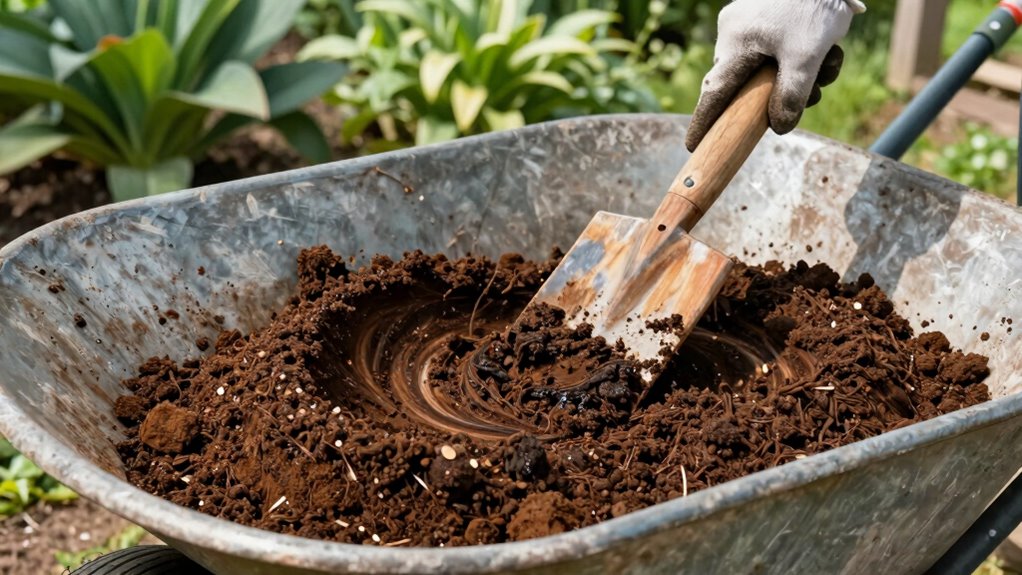

To reduce mud in your mix, control water carefully by adding it gradually and stopping if it gets sticky or pooling. Use stabilization agents like lime or cement to strengthen the soil and prevent excess moisture absorption. Incorporate absorbent materials such as sand or gravel to improve drainage, and keep a close eye on moisture levels during mixing. Adjusting these strategies can make your mix more durable and mud-resistant; keep exploring for more effective tips.

Get audio and creator gear delivered free with Prime
- Fast, free delivery on millions of items
- Prime Video, Amazon Music and more included
- Member-only deals all year
Key Takeaways
- Gradually add water and test the mixture frequently to prevent excess moisture buildup.
- Incorporate absorbent materials like sand or gravel to absorb excess water and improve drainage.
- Use soil stabilization techniques, such as lime or cement, to enhance structural integrity and reduce water retention.
- Allow the mixture to sit uncovered briefly to promote evaporation of excess water before use.
- Adjust the mix by adding dry materials or stabilizers if signs of excess mud or stickiness appear.
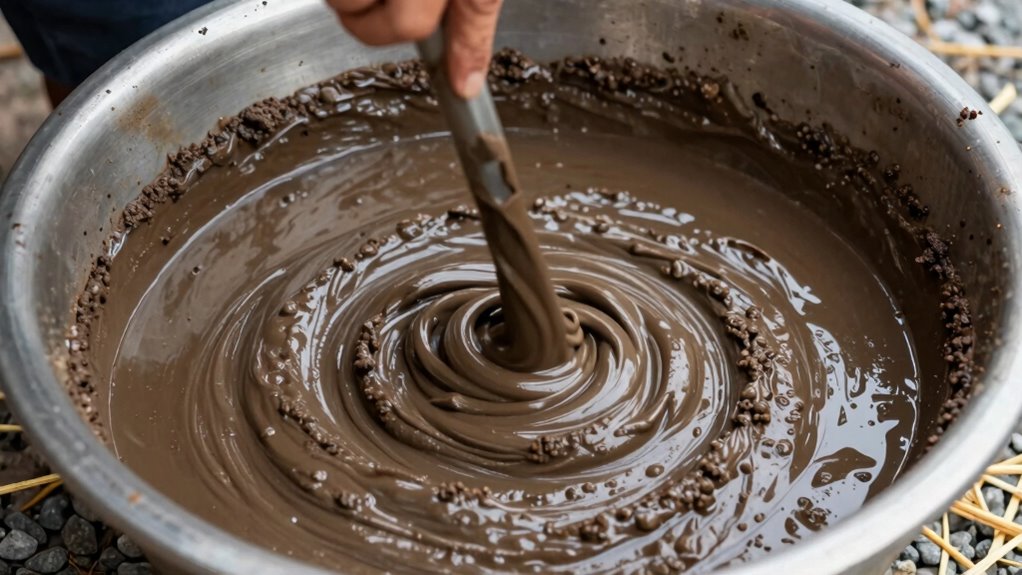
Dealing with excess mud in a mix can be challenging, but with the right techniques, you can achieve a consistent and workable material. The key to controlling mud levels lies in effective soil stabilization and water content management. When your mix becomes too wet, it loses its structural integrity, making it difficult to work with and increasing the risk of future problems like cracking or sinking. To prevent this, start by evaluating the soil’s natural properties. In some cases, you may need to add stabilizing agents like lime or cement, which enhance the soil’s strength and reduce its tendency to retain excessive water. These stabilizers help create a more solid foundation by chemically altering the soil particles, making your mix less susceptible to mud problems.
Effective soil stabilization with lime or cement enhances strength and reduces water retention, preventing excess mud in your mix.
Managing water content is vital. You want enough water to make the mix workable, but not so much that it turns into mud. To control this, add water gradually, kneading the mixture thoroughly and testing its consistency frequently. The goal is to reach a balance where the mix is moist but firm enough to hold its shape when pressed. If you notice water pooling or the mix feeling overly sticky, it’s a sign to stop adding more water and consider drying or adding absorbent materials like sand or gravel to soak up excess moisture. These materials also contribute to soil stabilization by improving drainage and reducing the overall water retention capacity of the mix. Additionally, using proper mixing techniques can further help prevent uneven moisture distribution, which often leads to muddy spots. Moreover, paying attention to the soil properties can help you choose the most effective stabilization method for your specific situation. Recognizing the natural variability of soil types can guide you in selecting the right stabilization and water management techniques. Understanding the water retention capacity of your soil can help you better anticipate how it will respond during mixing. Being familiar with the clay content of your soil can also aid in predicting how quickly it will absorb and retain moisture, allowing for more precise adjustments during mixing.
Regularly inspecting the mix as you work allows you to catch and correct excess mud early. If the mixture gets too wet, add more dry materials or allow it to sit uncovered for a short period to evaporate some moisture. Ultimately, managing water content and stabilizing the soil are your best strategies for reducing mud before it becomes a big problem. By staying attentive to these factors and adjusting your approach as needed, you’ll create a durable, workable mix that resists muddy issues and sets solidly in place.
Frequently Asked Questions
What Types of Soil Are Most Prone to Mud Issues?
You’ll find clay soils are most prone to mud issues due to their fine particles and poor drainage. Silty soils can also become muddy, especially after heavy rain, because they retain water. To combat this, you should assess your soil composition and implement effective drainage solutions like adding organic matter or installing drainage systems. These steps help improve water flow and reduce mud buildup, keeping your soil healthier and less muddy.
Can Adding Water Help Control Mud During Mixing?
Adding water can help control mud during mixing if you use water control and mixing techniques carefully. You should add water gradually, mixing thoroughly each time, to prevent excess moisture that causes mud. Proper water regulation ensures your mix maintains the right consistency. Using the right mixing techniques, like layering and avoiding over-watering, helps keep the soil cohesive and reduces mud formation, making your project smoother and more manageable.
Are There Specific Tools That Minimize Mud Contamination?
Think of specialized tools as your shield against mud contamination. Using dedicated shovels, scoops, and mixing paddles, you prevent dirt from sneaking into your mix, much like a vigilant gatekeeper. Regular equipment maintenance keeps these tools in prime condition, ensuring contamination prevention remains effective. By selecting the right tools and maintaining them well, you keep your mix pure and consistent, avoiding the chaos that mud can bring to your project.
How Long Should I Wait Before Mixing to Reduce Mud Problems?
You should wait at least 24 to 48 hours after soil stabilization before mixing, allowing moisture levels to stabilize and reduce mud problems. Proper mixing techniques, like thorough blending and avoiding overwatering, are essential. By giving the soil time to settle and applying effective mixing methods, you minimize mud contamination, ensuring a more stable and workable mix. Patience and proper technique make a big difference in preventing mud issues.
Does Weather Affect Mud Formation in Mixes?
Weather impact is huge—like a tidal wave—on mud formation in mixes. Humidity, rain, and temperature fluctuations can turn your mix into a muddy mess quickly. When it’s humid or rainy, moisture seeps in, speeding up mud formation. Hot, dry days help the mix set faster and stay stable. So, keep an eye on the weather forecast, and plan your mixing to avoid weather conditions that promote excessive mud.
Conclusion
Reducing mud in your mix is essential to guarantee quality results and save time. Remember, too much mud can weaken your structure and increase costs. Did you know that improper mixing can cause up to 30% of construction delays? By carefully controlling water content and using proper materials, you can prevent mud from becoming a big problem. Keep these tips in mind, and your projects will stay on track, strong, and durable.
Halloween Picks
halloween
As an affiliate, we earn on qualifying purchases.