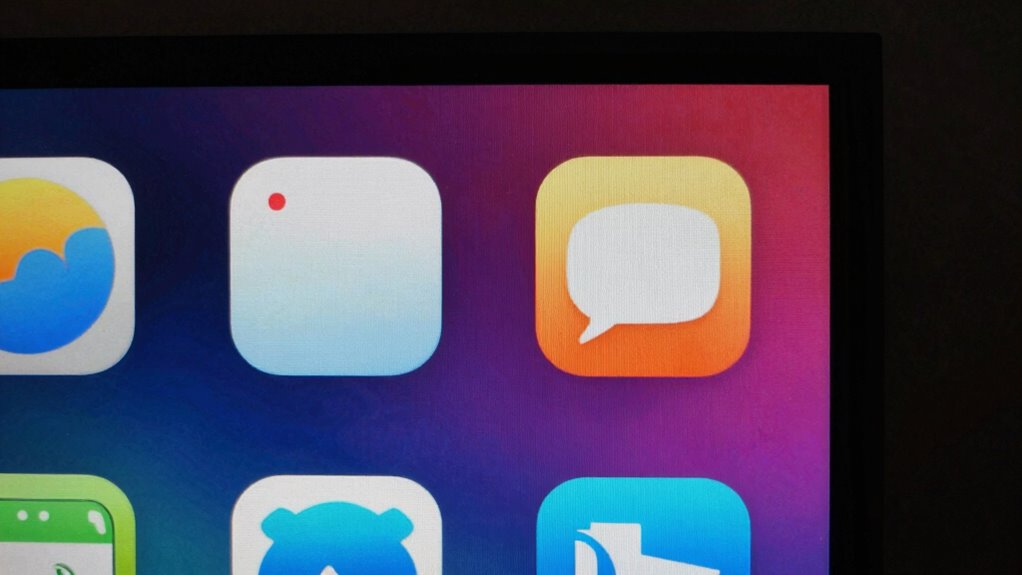

Burn-in is often misunderstood as a big risk with modern screens, but technology has greatly improved. While older CRT and plasma TVs were prone to lasting images, current LCD and LED displays are far more durable, with features like pixel shifting reducing the threat. OLED screens are more sensitive but still rarely suffer permanent burn-in if you follow simple precautions. If you want to see how these myths have evolved, you’ll find the details ahead.

Get audio and creator gear delivered free with Prime
- Fast, free delivery on millions of items
- Prime Video, Amazon Music and more included
- Member-only deals all year
Key Takeaways
- Modern screens, especially LCDs and LEDs, rarely experience permanent burn-in due to technological improvements.
- OLED displays are more susceptible but are now designed with features to reduce long-term image retention.
- Many burn-in fears are based on outdated tech; today’s devices incorporate protections like pixel shifting.
- Casual static image use, such as watching videos or browsing, generally does not cause permanent damage.
- Proper usage and simple precautions extend display lifespan, making burn-in largely a manageable concern today.
Have you ever wondered what “burn-in” really involves and whether the hype around it holds up? When it comes to display technology, burn-in refers to the potential for images or static elements to leave a lasting imprint on a screen over time. Many people associate burn-in with old CRT monitors or early plasma TVs, but the concept has persisted into modern screens like OLED and LED displays. Despite this, a lot of the scare stories are based on myths rather than facts, and understanding the truth can help you make informed decisions about your devices.
Burn-in concerns stem from myths; modern screens are much more durable than many believe.
In essence, burn-in happens when static images are displayed for extended periods, causing uneven wear on display pixels or phosphors. Over time, this can lead to faint ghost images or shadows that remain visible even when the content changes. However, with today’s display technology, especially LCD and LED screens, the risk of permanent burn-in is considerably reduced. Manufacturers have developed various techniques—like pixel shifting, screen savers, and software adjustments—to mitigate this issue. For OLED screens, which are more susceptible due to their organic materials, burn-in is still possible but less common than many believe, thanks to recent advancements in image processing and display management.
This brings us to myth debunking. There’s a widespread misconception that modern screens are highly prone to burn-in, leading many to avoid static images altogether. In reality, casual use—watching videos, browsing, gaming—rarely causes burn-in if you follow basic precautions. For example, avoiding leaving static HUDs or logos on screen for hours on end can prevent the problem. Many claims about OLED burn-in are exaggerated, often fueled by horror stories from the early days of the technology. Today’s OLED displays are designed with longevity in mind, and most users won’t notice any lasting damage during normal use.
Understanding these nuances helps you see that burn-in isn’t the looming threat it’s sometimes made out to be. The myths surrounding it often overstate the risks or misrepresent current display technology’s resilience. If you’re cautious about static images and follow simple tips, you can enjoy your device without worrying about permanent damage. Whether it’s your phone, TV, or monitor, the advancements in display tech have made burn-in a manageable concern rather than an inevitable fate. So, rest assured, the hype isn’t backed by the latest facts—your screens are more durable than ever, and with smart usage, you can extend their lifespan comfortably.
Furthermore, understanding the longevity of display components helps you appreciate how modern manufacturing and design reduce the likelihood of burn-in over time.
As an affiliate, we earn on qualifying purchases.
Frequently Asked Questions
How Long Does Burn-In Typically Take for Different Screens?
Burn-in time varies by screen type, but generally, OLED displays take around 100 to 1,000 hours of static use to show noticeable burn-in, while LCDs are less prone and may not develop it at all. To protect display longevity, regularly perform screen calibration and avoid static images for long periods. With proper care, you can minimize burn-in effects and extend your screen’s lifespan.
Can Burn-In Be Completely Prevented With Current Technology?
Imagine shielding your screen like a fragile butterfly in a glass case. While current technology advancements improve screen durability, completely preventing burn-in is like sealing that case perfectly—hardly foolproof. Modern screens resist burn-in better than ever, but some risk remains, especially with static images. So, while you can reduce chances considerably, total prevention isn’t guaranteed; you still need to handle your display with care.
Is Burn-In More Common in OLED or LCD Screens?
Burn-in is more common in OLED screens due to their organic materials, which can degrade with static images over time, affecting screen longevity. LCD screens are less prone because they use backlights, making display calibration less critical for burn-in prevention. To minimize burn-in, you should regularly adjust your display settings, avoid static images, and enable screen savers, especially on OLED devices.
Do All Manufacturers Recommend Burn-In Mitigation Techniques?
Sure, every manufacturer recommends burn-in mitigation techniques—because apparently, their screens are so delicate they might faint from a static image. They push these tips to protect your display’s longevity, even if it’s more about reassuring you than necessity. So yes, follow their advice; it’s part of their marketing magic. After all, who doesn’t want a device that’s as fragile as a porcelain teacup?
How Does Ambient Lighting Affect Perceived Burn-In Symptoms?
Ambient lighting considerably influences your perception of burn-in symptoms, especially affecting color consistency. In well-lit environments, burn-in may seem less noticeable because the ambient influence reduces visual contrast. Conversely, in darker settings, you might notice ghost images more clearly. Adjusting ambient lighting can help mitigate perceived burn-in, making displays appear more uniform and reducing the visual impact of any lingering image retention.
As an affiliate, we earn on qualifying purchases.
Conclusion
So, there you have it—burn-in is either a myth, a miracle, or somewhere in between. Don’t let the tech hype fool you; your screen’s lifespan isn’t about to suddenly vanish overnight. If anything, it’s like that mysterious “extra” mile—more of a story we tell ourselves than a real threat. Just enjoy your gadgets without obsessing over phantom screen ghosts. After all, if burn-in really existed, we’d all be living in haunted displays by now.
As an affiliate, we earn on qualifying purchases.
As an affiliate, we earn on qualifying purchases.
Halloween Picks
halloween
As an affiliate, we earn on qualifying purchases.