
Your expectations can often lead to frustration if your audio setup isn’t properly optimized. Without paying attention to details like speaker placement, connectivity, and network stability, your sound quality can fall short. Properly positioning speakers and ensuring your devices work smoothly make a big difference. If you want to turn your setup into an immersive experience that meets your expectations, understanding these technical aspects is essential—there’s more to discover that can truly elevate your sound.

Get audio and creator gear delivered free with Prime
- Fast, free delivery on millions of items
- Prime Video, Amazon Music and more included
- Member-only deals all year
Key Takeaways
- Unrealistic expectations can lead to dissatisfaction regardless of equipment quality or setup accuracy.
- Proper setup and placement are essential to meet and manage sound quality expectations.
- Wireless connectivity issues can cause discrepancies between expected and actual audio performance.
- Regular troubleshooting and updates help align your system’s output with your expectations.
- Understanding technical factors ensures you set realistic goals for your audio experience.
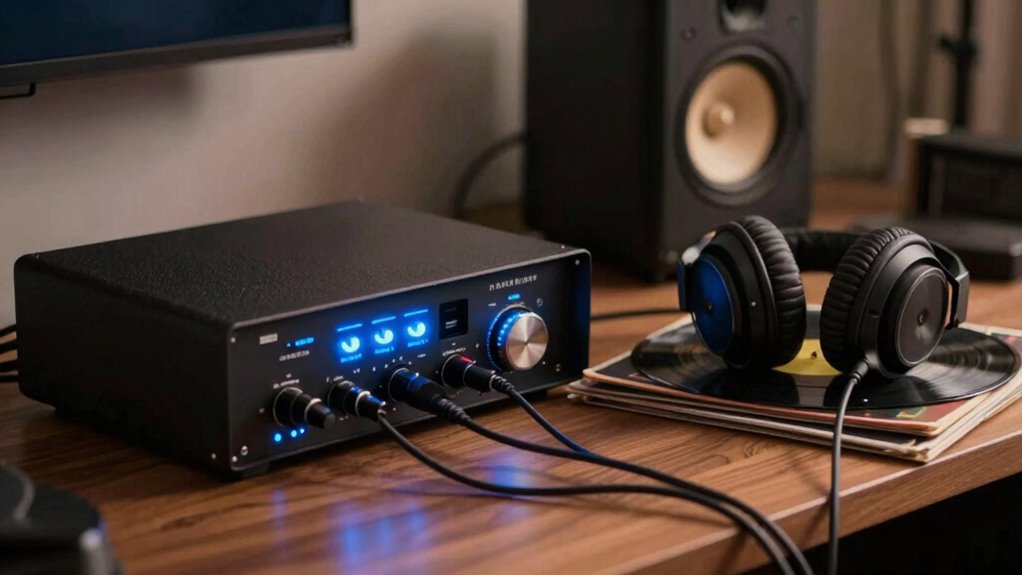
Setting up audio equipment can often feel more complicated than it should be, especially when sound quality doesn’t meet expectations. It’s frustrating when you’ve invested time and money into a setup that seems promising but ends up falling flat. Many issues stem from overlooked details like wireless connectivity and speaker placement, which can significantly impact your listening experience.
Proper setup and attention to details like placement and connectivity make all the difference in audio quality.
When working with wireless connectivity, you might assume that simply pairing your devices is enough. However, interference from other wireless signals, walls, or furniture can weaken the connection, causing dropouts or lag. To avoid this, ensure your devices are within a good range, and minimize obstacles between them. Updating firmware and choosing the right wireless standards, like Wi-Fi 5 or Wi-Fi 6, can also improve stability. Remember, a solid wireless connection isn’t just about convenience; it’s about maintaining high-quality audio without interruptions. Additionally, understanding the importance of wireless standards can help you select devices that support more reliable connections. Ensuring your network setup is optimized can further reduce interference and improve overall performance. Proper wireless configuration is key to ensuring your equipment performs at its best. To improve your overall experience, consider testing different network channels to reduce potential interference from other devices.
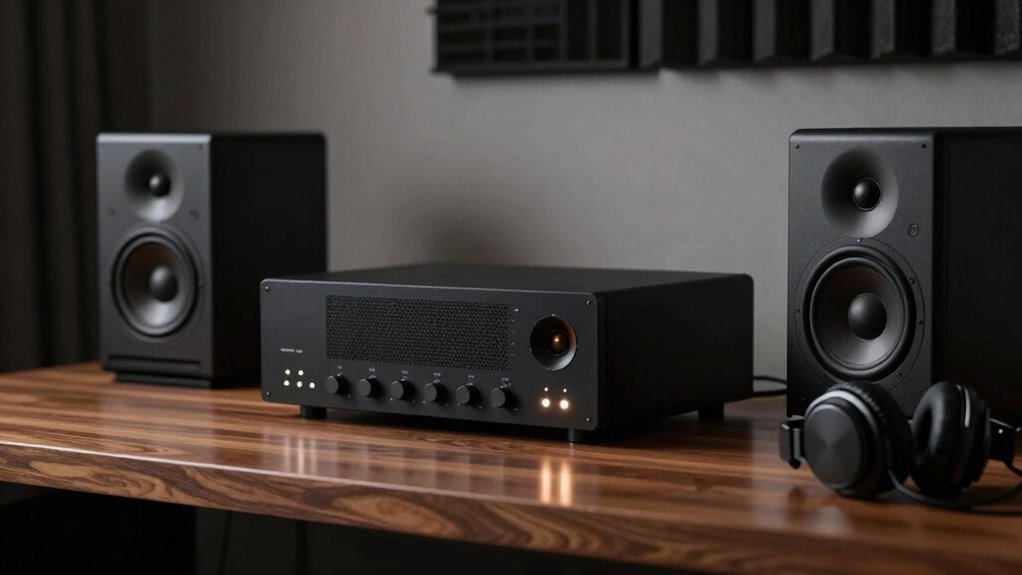
Speaker placement plays a critical role in how your sound fills the room. If your speakers are too close to walls or tucked into corners, you’ll likely notice muffled bass or uneven sound distribution. Position your speakers at ear level when seated, and keep them a few feet apart to create a balanced stereo image. Avoid placing them directly against walls; instead, give them some space to breathe. Experiment with angles and distances until you find the sweet spot that delivers clear, immersive audio. Proper speaker placement ensures sound waves radiate evenly, reducing echoes and dead zones, which otherwise diminish clarity and richness.
Your expectations can sometimes set you up for disappointment if you overlook these technical aspects. Recognize that achieving optimal sound isn’t just about buying the latest gadgets but understanding how wireless connectivity and speaker placement influence performance. Take the time to troubleshoot your setup—test different positions, update your devices, and ensure your network is robust. This proactive approach helps you bridge the gap between what you expect and what you actually experience, turning a frustrating setup into a satisfying listening environment.
In the end, good audio isn’t just about high-end equipment; it’s about how you configure and optimize what you have. When you pay attention to wireless connectivity and speaker placement, you’ll notice a significant difference in sound quality. It’s a simple step that can transform your space from a chaotic, underwhelming audio experience to a rich, immersive one where every note sounds just right.
wireless surround sound speakers
As an affiliate, we earn on qualifying purchases.
As an affiliate, we earn on qualifying purchases.
Frequently Asked Questions
How Do I Know if My Audio Equipment Is Compatible?
You can determine if your audio equipment is compatible by checking each device’s specifications and connection types. Look for compatible ports like HDMI, USB, or audio jacks, and verify supported standards. To avoid signal interference, make certain your equipment operates on different frequencies or channels if wireless. Testing the setup before finalizing helps identify compatibility issues early, ensuring your gear works smoothly together without unwanted noise or disruptions.
What Are Common Signs of Poor Audio Calibration?
Poor audio calibration is like a crooked mirror—distorting your experience. You’ll notice sound distortion, where audio sounds fuzzy or muffled, and volume imbalance, with some sounds overpowering others. These signs indicate your setup isn’t properly adjusted. If your audio feels uneven or inconsistent, it’s time to fine-tune your equipment. Correct calibration ensures clear, balanced sound, so you enjoy a seamless listening experience without distractions.
How Can I Improve Sound Quality Without New Gear?
To improve sound quality without new gear, start by adjusting your speaker placement—avoid walls and corners for clearer sound. Enhance sound isolation by adding rugs, curtains, or speaker pads to reduce unwanted vibrations and echo. Also, fine-tune your existing setup by balancing volume levels and positioning speakers at ear level. These simple tweaks can markedly boost audio clarity and richness, making your listening experience much more enjoyable.
What Role Does Room Acoustics Play in Audio Setup?
Room acoustics greatly influence your sound quality, shaping how audio reaches your ears. You should focus on soundproofing techniques and acoustic treatment to improve clarity and reduce unwanted echoes. Use foam panels, bass traps, or diffusers to absorb or scatter sound waves, creating a balanced environment. Properly managing room acoustics guarantees your setup delivers the best possible sound, even without upgrading your gear.
Are There Affordable Tools to Test Audio Performance?
A penny saved is a penny earned, so you’ll be glad to know there are budget-friendly tools for sound testing your audio setup. You can use smartphone apps, affordable calibration microphones, or free software to analyze sound quality and performance. These tools help you identify issues and optimize your system without breaking the bank. With a little effort, you can guarantee your audio sounds just right, no matter your budget.
high fidelity home audio speakers
As an affiliate, we earn on qualifying purchases.
As an affiliate, we earn on qualifying purchases.
Conclusion
When your expectations don’t match your setup, it’s like trying to paint a masterpiece with a blunt brush—you won’t get the vibrant picture you envision. Adjusting your equipment and expectations can bridge the gap, turning your audio experience into something clear and satisfying. Remember, patience and small tweaks are key; they’re like tuning a fine instrument. With a little effort, your setup can sing just as beautifully as you imagined.
Wi-Fi 6 compatible wireless audio transmitter
As an affiliate, we earn on qualifying purchases.
As an affiliate, we earn on qualifying purchases.
speaker placement and calibration tools
As an affiliate, we earn on qualifying purchases.
As an affiliate, we earn on qualifying purchases.
Halloween Picks
halloween
As an affiliate, we earn on qualifying purchases.