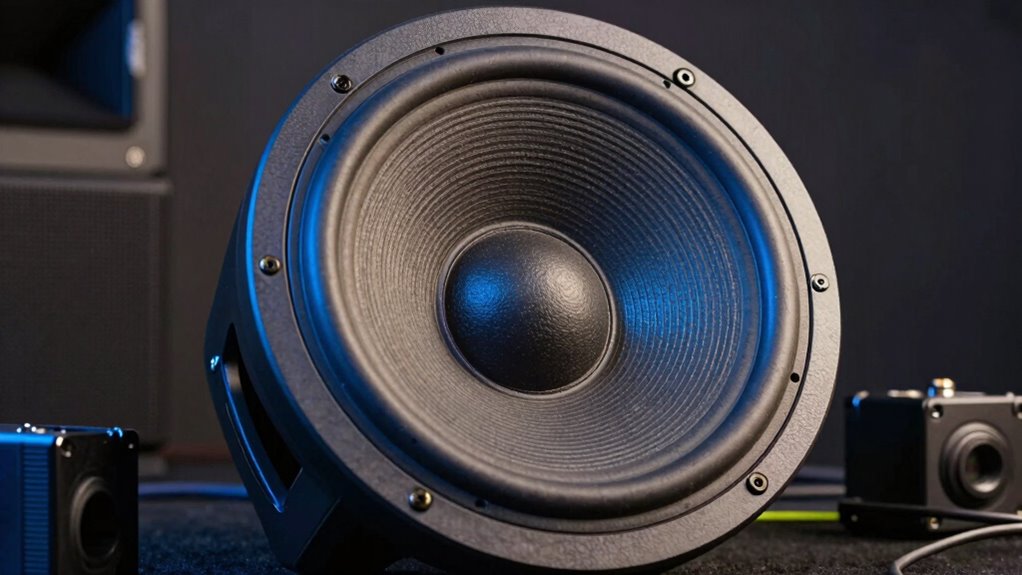

Bigger sounding speakers don’t always mean better sound because placement and room acoustics play a huge role in audio quality. Even large speakers can sound muddy or unbalanced if positioned poorly or if the room has hard surfaces causing echoes. Proper placement and acoustic treatments can make smaller speakers perform surprisingly well. If you want to get the most out of your setup, understanding how layout and room characteristics influence sound will make a big difference.

Get audio and creator gear delivered free with Prime
- Fast, free delivery on millions of items
- Prime Video, Amazon Music and more included
- Member-only deals all year
Key Takeaways
- Proper speaker placement and room acoustics often have a greater impact on sound quality than size alone.
- Hard surfaces reflect sound, causing muddiness, regardless of speaker size.
- Acoustic treatment reduces reflections and improves clarity, making smaller speakers sound better.
- Small adjustments in positioning can significantly enhance sound clarity and stereo imaging.
- Larger speakers cannot compensate for poor room acoustics or improper placement.
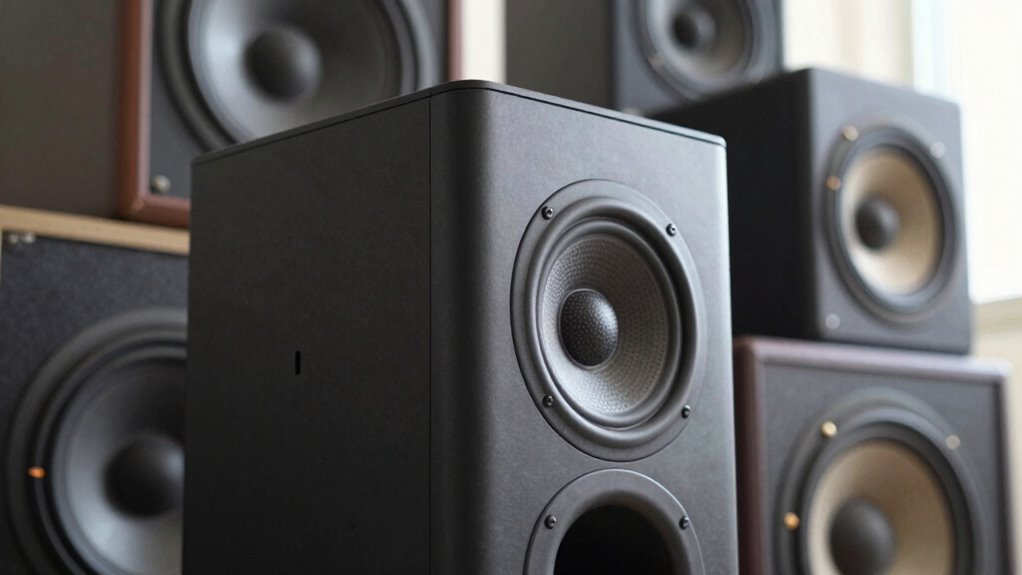
When it comes to audio quality, bigger sound doesn’t always equate to better sound. You might think that cranking up the volume or choosing larger speakers automatically improves your listening experience, but that’s not always the case. One of the key factors often overlooked is room acoustics. Your space’s shape, size, and materials greatly influence how sound travels and how it ultimately reaches your ears. A room with hard surfaces like glass or tile can cause sound waves to bounce around, creating echoes and muddiness. Conversely, rooms filled with soft materials like carpets, curtains, and upholstered furniture absorb certain frequencies, leading to clearer sound. So, a big speaker in a room with poor acoustics might produce loud sound, but it could also result in a confusing, reverberant mess that diminishes audio clarity.
Another critical aspect that impacts sound quality is speaker placement. Positioning your speakers correctly can make a significant difference, regardless of their size. Placing speakers too close to walls or corners can amplify bass excessively, causing boomy or muddy sounds. On the other hand, setting them too far apart or too high can lead to gaps in sound coverage, where certain frequencies get lost or distorted. The goal is to find the sweet spot where sound waves blend seamlessly, creating a balanced and immersive experience. Keep in mind that a larger speaker isn’t inherently better if it’s not positioned properly; the same applies to smaller speakers used effectively. Small adjustments in placement—like angling speakers toward your listening position or elevating them to ear level—can dramatically improve clarity and stereo imaging. Additionally, understanding room acoustics can help you optimize your setup and get the most out of your system. Paying attention to speaker placement and room setup can also help prevent issues like sound distortion and fatigue, ensuring a more enjoyable listening experience. Proper acoustic treatment can further enhance sound quality by reducing unwanted reflections and resonances, making your setup even more effective. It’s also worth noting that sound reflections can be minimized with the right treatment, further improving clarity.
acoustic treatment panels for home theater
As an affiliate, we earn on qualifying purchases.
As an affiliate, we earn on qualifying purchases.
Frequently Asked Questions
How Do Speaker Size and Sound Quality Actually Relate?
You might think larger speakers deliver better sound, but size doesn’t always guarantee quality. Smaller speakers can produce clear, detailed audio if built with good components, while bigger speakers might focus on volume over clarity. Consider speaker aesthetics and brand reputation, which influence your choice. Ultimately, sound quality depends on engineering and tuning, not just size, so prioritize performance and reviews over size when selecting your speakers.
Can Smaller Speakers Produce Louder Sounds?
Yes, smaller speakers can produce surprisingly loud sounds, almost like a tiny superhero releasing a mighty roar. Thanks to advances in speaker durability and innovative technology, they can punch above their weight, giving you portability advantages without sacrificing volume. You might think bigger is better, but don’t underestimate the power packed into compact designs. With the right engineering, tiny speakers deliver big, bold sound that can fill a room.
What Role Does Room Acoustics Play in Sound Quality?
Room acoustics profoundly impact your sound quality. Proper soundproofing techniques reduce unwanted noise and echo, making your listening experience clearer. Room calibration helps optimize speaker placement and adjust settings for the space, ensuring balanced sound. When you focus on these factors, you can enjoy better audio without necessarily increasing volume. Good room acoustics create an immersive experience, proving that quality sound depends more on environment than just speaker size.
Are Expensive Speakers Always Better Than Cheaper Ones?
Expensive speakers aren’t always better; they’re like a shiny trophy that might not fit your room’s vibe. You might prefer a speaker with sleek aesthetics that complements your decor or a brand known for quality rather than just price tags. Remember, brand reputation and design matter, but what truly counts is how the sound resonates with your space and your ears. Sometimes, a budget-friendly option hits the perfect note.
How Does Audio Source Quality Affect Perceived Sound?
Your perception of sound heavily depends on audio source quality. When audio is heavily compressed, it loses depth and clarity, making it less enjoyable regardless of your speaker size. High-quality sources preserve detail, allowing you to notice subtle nuances and enjoy richer sound, even on smaller speakers. So, if your source is compromised by compression, your listener perception suffers, and bigger speakers won’t necessarily improve the listening experience.
As an affiliate, we earn on qualifying purchases.
Conclusion
So, next time you’re tempted to prioritize size over quality, remember that bigger sound isn’t always better. While a larger speaker may seem impressive, it doesn’t guarantee superior audio. Instead, focus on clarity, balance, and your personal listening experience. Don’t be fooled by the hype—sometimes, smaller, well-designed devices deliver richer sound. Ultimately, it’s about what sounds best to your ears, not the size of the speaker. Quality always beats quantity.
As an affiliate, we earn on qualifying purchases.
As an affiliate, we earn on qualifying purchases.
Halloween Picks
halloween
As an affiliate, we earn on qualifying purchases.




![Iron Maiden Legend Nicko McBrain Turned Down Trump Golf Invite: “[He] Should Be Put In Jail”](https://deadsetlive.com/wp-content/uploads/2026/10/iron-maiden-legend-nicko-mcbrain-turned-down-trump-golf-invite-he-should-be-put-featured-260x140.jpg)