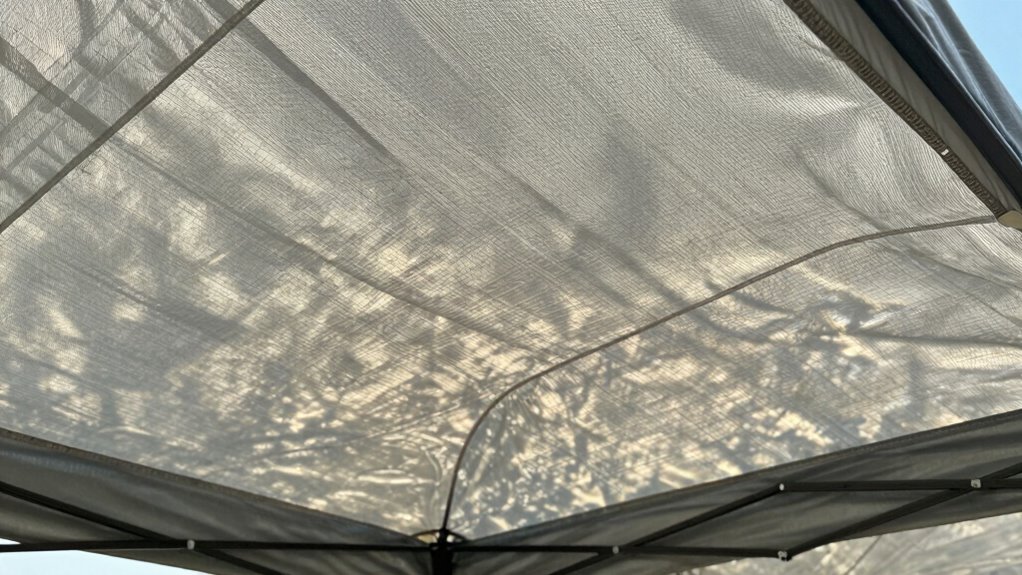

Choosing the right canopy material involves understanding durability, weather resistance, and eco-friendliness. Synthetic fabrics like polyester and acrylic offer good resistance but can have higher environmental impacts, while natural fibers like hemp or organic cotton are more sustainable but may wear faster. Treatments can improve waterproofing and UV resistance, but some use harmful chemicals. If you keep exploring, you’ll uncover practical insights to help you make smarter, eco-conscious choices for your canopy.

Get audio and creator gear delivered free with Prime
- Fast, free delivery on millions of items
- Prime Video, Amazon Music and more included
- Member-only deals all year
Key Takeaways
- Durability depends on weather resistance, UV protection, and material strength, with fabrics like polyester and acrylic offering long-term outdoor use.
- Synthetic fabrics have a higher environmental impact, while natural fibers like hemp and organic cotton are more sustainable options.
- Treatments like waterproofing and UV resistance extend lifespan but may involve chemicals with ecological concerns.
- Manufacturing processes and recyclability influence the sustainability and eco-friendliness of canopy materials.
- Choosing durable, weather-resistant, and eco-friendly materials ensures functional and sustainable canopies.

Ever wondered what materials make a canopy both durable and functional? The answer lies in understanding the durability factors and the environmental impact of each material. When selecting a canopy material, you’re balancing the need for longevity with sustainability considerations. Durability factors include resistance to weather, UV rays, and wear and tear. For example, fabrics like polyester or acrylic are popular because they can withstand harsh sunlight and moisture without degrading quickly, making them suitable for long-term outdoor use. Conversely, materials like cotton may look appealing initially but tend to break down faster when exposed to the elements, requiring more frequent replacement. Additionally, understanding the specific durability factors helps in choosing the right material for your needs. Environmental impact is equally important. Some materials, while durable, may have a higher ecological footprint due to the manufacturing process or their inability to be recycled. For instance, synthetic fabrics like PVC-coated polyester offer durability but often involve environmentally harmful production methods and are less biodegradable. On the other hand, natural fibers such as hemp or organic cotton are more sustainable options, although they might not offer the same level of weather resistance. Recognizing the environmental footprint of each material can help in making more eco-friendly choices. Balancing durability with eco-friendliness means choosing materials that can stand up to the elements without causing unnecessary harm to the environment. It’s also essential to consider how the material’s manufacturing process impacts its overall sustainability, as some processes are more resource-intensive than others. UV-resistant fabrics prevent decay and fading, extending a canopy’s lifespan while reducing the need for replacements. This not only saves money but also minimizes waste, making the overall environmental impact lower. Similarly, waterproofing treatments or coatings can enhance durability by preventing water damage, but some treatments involve chemicals that may be harmful to the environment. It’s also helpful to consider whether the material is recyclable, as this can significantly reduce its ecological footprint at the end of its life cycle. Choosing eco-friendly options can further support sustainable practices. Consequently, it’s crucial to weigh the benefits of such coatings against their ecological footprint. Ultimately, a good canopy material is one that offers a reasonable compromise between durability and environmental impact. You want something that lasts through seasons and weather conditions but also aligns with your values regarding sustainability. Materials like solution-dyed acrylic fabrics strike a good balance—they resist fading, are relatively eco-friendly, and hold up well against outdoor conditions. By understanding these factors, you can make a more informed decision that ensures your canopy stays functional and durable without contributing unnecessarily to environmental degradation. Choosing wisely means considering both the lifespan of the material and its ecological footprint, ensuring your canopy remains a reliable shelter while being mindful of its environmental impact.
As an affiliate, we earn on qualifying purchases.
Frequently Asked Questions
How Do Canopy Materials Perform in Extreme Weather Conditions?
In extreme weather, your canopy materials need to excel in fabric durability and material flexibility. High-quality fabrics resist tearing, UV damage, and water, ensuring longevity. Flexible materials bend and adapt without cracking or breaking under strong winds or heavy snow, maintaining protection. Opt for canopies with reinforced seams and weather-resistant coatings to withstand harsh conditions, so you stay sheltered, no matter the storm.
Are Canopy Materials Environmentally Sustainable?
Think of canopy materials as a breath of fresh air for the planet. Many are eco-friendly fibers made from renewable sourcing, making them environmentally sustainable choices. They’re designed to reduce waste, lower carbon footprints, and support eco-conscious practices. When you pick these materials, you’re not just protecting your space but also helping to preserve nature’s beauty for future generations. Sustainability is woven into their very fibers.
What Are the Fire-Resistant Properties of Different Canopy Fabrics?
You’ll find that fire-resistant canopy fabrics often undergo fire retardant treatments, which substantially enhance fabric flame resistance. These treatments help slow down or stop flames from spreading, providing essential safety in outdoor or event settings. Different fabrics have varying levels of inherent flame resistance, but applying fire retardant treatments boosts overall safety. Always check if your canopy fabric complies with safety standards, ensuring reliable fire-resistant properties for your needs.
How Long Do Various Canopy Materials Typically Last?
You’ll find that durability myths often overstate how long canopy materials last. In reality, polyester typically endures 5-10 years with proper care, while acrylic fabrics can last 10-15 years. Material comparisons show that vinyl is highly durable, lasting around 10-15 years, but it’s less breathable. Your canopy’s lifespan depends on exposure, maintenance, and fabric quality. Regular cleaning and storage extend its useful life regardless of the material.
Can Canopy Materials Be Recycled or Reused?
Sure, canopy materials can be recycled or reused, but don’t get your hopes up about easy fabric maintenance or material durability. Many fabrics, like polyester or vinyl, often end up in landfills because recycling options are limited. Still, with a little effort, you can repurpose or donate old canopies, giving them a new life. Just remember, durability varies, so plan ahead for how long your canopy will truly last.
As an affiliate, we earn on qualifying purchases.
Conclusion
Now that you know the real deal behind canopy materials, you’re practically a weather shield superhero. No more falling for flashy marketing tricks—you’re armed with honest facts that can save your outdoor adventures from turning into soggy, miserable disasters. With this knowledge, you’ll choose the perfect canopy like a pro, dominating any storm that dares to challenge your outdoor fun. So go on, conquer the elements—your canopy mastery is unstoppable!
UV resistant outdoor canopy material
As an affiliate, we earn on qualifying purchases.
As an affiliate, we earn on qualifying purchases.
recyclable outdoor canopy fabric
As an affiliate, we earn on qualifying purchases.
As an affiliate, we earn on qualifying purchases.
Halloween Picks
halloween
As an affiliate, we earn on qualifying purchases.