
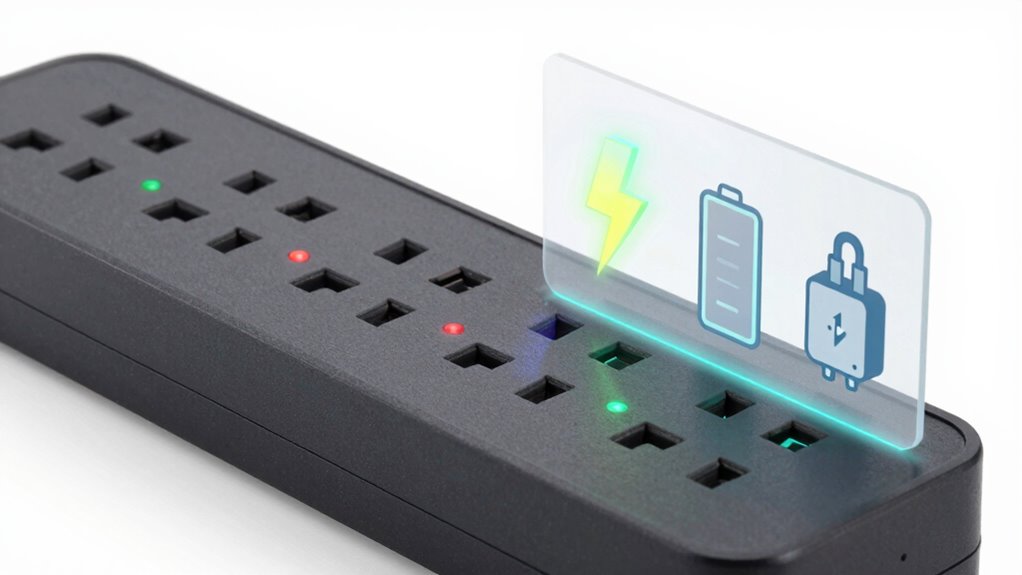

Watts measure how fast a device uses or produces power at any moment, like a car’s speed, while watt-hours tell you how much total energy a battery can store and last over time, like fuel tank capacity. Surge power is the extra burst of energy needed when a device first starts up, which can be higher than the normal running power. Understanding these helps you pick the right batteries and gadgets—keep exploring to learn more details.

Get audio and creator gear delivered free with Prime
- Fast, free delivery on millions of items
- Prime Video, Amazon Music and more included
- Member-only deals all year
Key Takeaways
- Watts measure how fast a device uses or produces power at any moment.
- Watt-hours show the total energy a device can supply over time, indicating battery capacity.
- Surge power is a temporary spike needed during device startup, often higher than normal running power.
- Watts tell you the immediate power demand; watt-hours indicate how long a battery lasts.
- Proper understanding helps choose power sources that can handle both normal operation and startup surges.
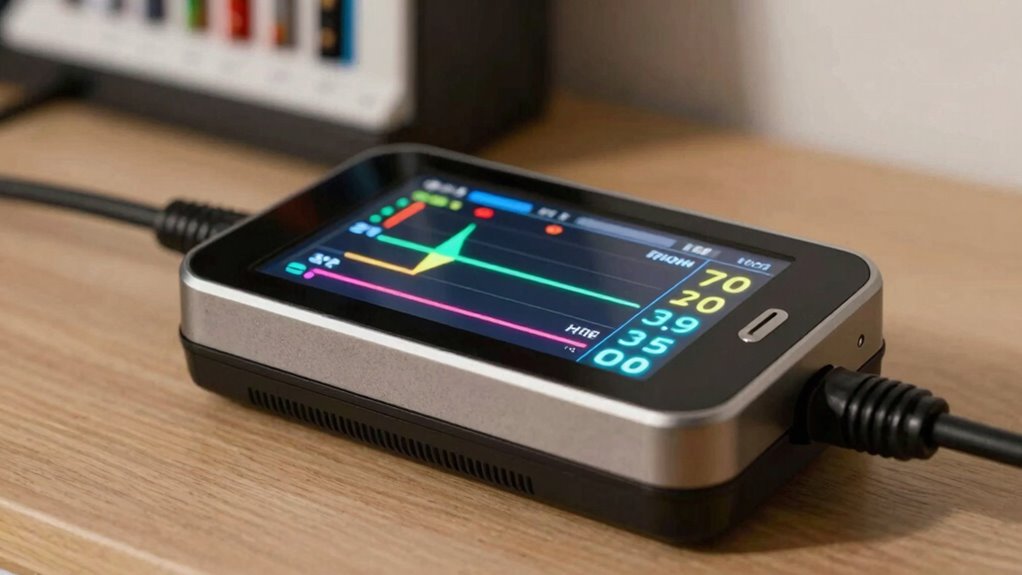
Understanding the differences between watts, watt-hours, and surge power can be confusing, but it’s vital when choosing the right devices or power sources. If you’re trying to figure out how long a device can run or how much energy it consumes, knowing these terms helps you make smarter decisions. Watts measure the rate at which a device consumes or produces power at any given moment, which ties directly into battery efficiency. If you’re using a portable power bank or solar panel, understanding watts helps you gauge how quickly the device will drain or charge batteries. Power conversion is also key here—knowing how energy shifts from one form to another helps you compare devices’ efficiencies and guarantees you’re using the right equipment to match your needs. Power measurement units are essential concepts that clarify how different devices operate and consume energy, making it easier to select appropriate power sources.
Watt-hours differ from watts because they measure energy over time. Think of watt-hours as the total amount of work a device can do before it runs out of power. For example, a battery rated at 100 watt-hours can theoretically provide 100 watts for one hour or 50 watts for two hours. This measurement is useful when you’re trying to estimate how long a device will run on a specific power source. It also helps you compare batteries or power banks because a higher watt-hour rating usually means longer runtime. When considering battery efficiency, understanding watt-hours allows you to evaluate how effectively a device stores and uses energy, which is vital for portable power solutions. Additionally, energy storage capacity plays a crucial role in determining a device’s overall runtime and usability. Recognizing the difference between power and energy is fundamental for making accurate comparisons and selecting suitable devices. A solid grasp of these distinctions ensures you select the most efficient and reliable power solutions for your needs.
Surge power, on the other hand, refers to the brief, high-intensity burst of power a device needs to start up or handle sudden spikes. Many appliances, like refrigerators or power tools, require a surge power that’s markedly higher than their normal operating wattage. Knowing about surge power helps you avoid underpowering your equipment, which can lead to startup failures or damage. It’s also important for selecting power sources that can handle these short bursts without losing performance. Many devices and appliances specify their surge power requirements, so you can match your power source accordingly. Properly accounting for surge power ensures your equipment operates reliably and safely during startup. Being aware of surge power requirements can also prevent equipment failure caused by insufficient initial power.
portable power bank 100 watt-hours
As an affiliate, we earn on qualifying purchases.
As an affiliate, we earn on qualifying purchases.
Frequently Asked Questions
How Do I Choose the Right Measurement for My Appliances?
To choose the right measurement for your appliances, focus on understanding their power consumption and energy efficiency. Look at watt ratings to see how much power they use during operation. Watt-hours tell you the total energy used over time, helping you estimate running costs. If you’re concerned about surges, consider surge power ratings. This way, you select appliances that match your energy needs, saving money and ensuring safety.
Can Surge Power Damage My Electronic Devices?
Think of surge power like a sudden gust of wind that can knock over a delicate house of cards. Yes, it can damage your electronic devices if you’re not protected. To prevent this, use surge protection devices, which act like sturdy shields. Always check appliance compatibility to make certain your gadgets are safe from power surges. This way, you keep your electronics secure and functioning well, even during unexpected power spikes.
What’s the Difference Between Peak and Continuous Power?
Peak power is the maximum power your device can handle briefly, while continuous power is the steady, reliable amount it can sustain over time. Understanding this difference helps you maintain power stability and avoid damage. When comparing devices, consider efficiency, as higher efficiency means less wasted energy. Knowing these differences ensures your equipment runs smoothly, lasts longer, and performs at its best without risking overloads or instability.
Are Higher Watt Ratings Always Better?
Sure, having higher watt ratings sounds impressive, but it’s not always better. Think of power efficiency and battery capacity — more isn’t necessarily more useful if it drains quickly or wastes energy. A device with a modest watt rating and excellent efficiency might serve you longer and better than a power-hungry counterpart. So, focus on how the device uses power, not just how much it can burst out in a moment.
How Do Watt-Hours Relate to Electricity Bills?
Watt-hours directly impact your electricity bills because they measure your device’s battery capacity and overall energy consumption. When you use devices with higher watt-hour ratings, they consume more energy, which can increase your bill. To save money, choose energy-efficient appliances, and monitor their usage. Knowing the watt-hours helps you understand how much energy your devices use, so you can manage your energy consumption more effectively and keep costs down.
solar panel with surge power capacity
As an affiliate, we earn on qualifying purchases.
As an affiliate, we earn on qualifying purchases.
Conclusion
Understanding watts, watt-hours, and surge power might seem like technical jargon, but they’re just different ways to measure energy and power. Think of watts as your engine’s speed, watt-hours as how long you run it, and surge power as the burst of energy needed at startup. Without knowing these differences, you might miss the full picture—like trying to judge a race by speed alone. Grasping these concepts helps you make smarter choices for your devices and energy needs.
battery with high watt-hour rating
As an affiliate, we earn on qualifying purchases.
As an affiliate, we earn on qualifying purchases.
As an affiliate, we earn on qualifying purchases.
Halloween Picks
halloween
As an affiliate, we earn on qualifying purchases.