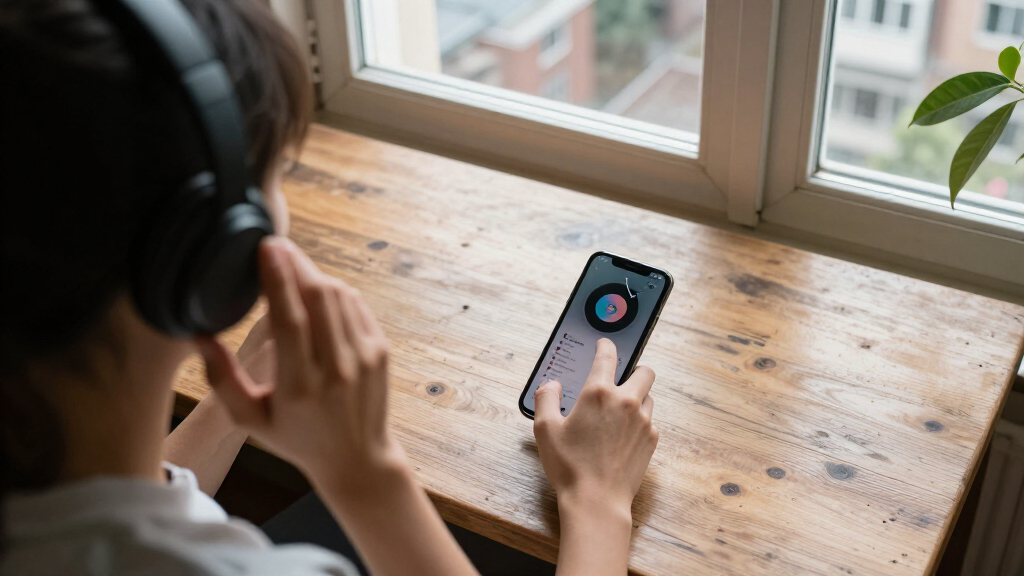

For music listeners who want one versatile over-ear pair, I’d start with the TOZO HT3 for its hybrid noise cancelling, while the JBL Tune 720BT suits listeners who prefer a straightforward over-ear design and the Beats Solo 4 offers a compact on-ear alternative. The main choice is between over-ear comfort and isolation, on-ear portability, and practical features such as app controls, EQ options, and long battery life. These models differ in how much they prioritize focused listening, easy everyday use, or a lighter fit. I’d also weigh sound customization against simplicity, since more controls only help if you plan to use them. Read on for the full breakdown and a pick for each kind of listener.
Complete the kit


Key Takeaways
- The lineup’s clearest split is fit: over-ear models such as the TOZO HT3 and JBL Tune 720BT cover the ears, while Beats Solo 4, Sony WH-CH520, and JBL Tune 510BT use a more compact on-ear design.
- Noise control is a differentiator, not a category-wide feature: the TOZO HT3 and several explicitly noise-cancelling options are better suited to reducing distractions than simpler Bluetooth models.
- Customization varies more than the shared wireless format suggests: the DOQAUS app controls and BERIBES EQ modes give sound tinkerers more ways to adjust playback than models focused on basic listening.
- Battery claims do not settle comfort or sound preference: DOQAUS advertises up to 90 hours, but buyers should still choose based on fit, intended listening sessions, and whether the sound suits their music.
- Several entries are color variants rather than distinct listening choices: the two JBL Tune 510BT and two Sony WH-CH520 listings make comparison easier by fit and features, not by color.
| Uliptz WH203A Bluetooth Over-Ear Headphones |  | Best for Device Switching | Driver size: 40 mm | Bluetooth: Version 6.0 | Battery life: Up to 65 hours | VIEW LATEST PRICE | See Our Full Breakdown |
| bmani H1 Wireless Over-Ear Headphones with Active Noise Cancellation |  | Best for Noise Reduction and Endurance | Drivers: 40 mm dynamic | Noise cancellation: Hybrid ANC, up to 45 dB reduction | Microphones: 6-mic ENC call array | VIEW LATEST PRICE | See Our Full Breakdown |
| JBL Tune 720BT Wireless Over-Ear Headphones, Blue | 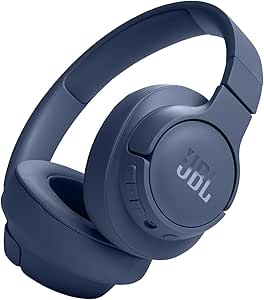 | Best for App-Based Sound Tuning | Style: Over-ear | Connectivity: Bluetooth 5.3 | Battery life: Up to 76 hours | VIEW LATEST PRICE | See Our Full Breakdown |
| KVIDIO WH201A Wireless Over-Ear Bluetooth Headphones |  | Best Foldable Everyday Pick | Model: WH201A | Drivers: Dual 40 mm | Bluetooth version: Specifications list 5.3; description also says 6.0 | VIEW LATEST PRICE | See Our Full Breakdown |
| Glynzak WH207A Wireless Over-Ear Bluetooth Headphones with Microphone |  | Best for Preset EQ Simplicity | Model: WH207A | Drivers: 40 mm | Bluetooth: Version 6.0 | VIEW LATEST PRICE | See Our Full Breakdown |
| Wireless Over-Ear Noise-Cancelling Headphones with Bluetooth 6.0 |  | Best for Long Listening Sessions | Noise cancellation: 45 dB hybrid active noise cancellation | Listening modes: Noise Cancelling, Transparency, Normal | Battery life: Up to 120 hours; up to 70 hours with ANC on | VIEW LATEST PRICE | See Our Full Breakdown |
| TOZO HT3 Hybrid Noise-Cancelling Wireless Over-Ear Headphones |  | Best for Sound Customization | Noise cancellation: Adaptive hybrid ANC, up to 45 dB | Microphones: Four high-sensitivity microphones; dedicated call microphone | Driver size: 40 mm | VIEW LATEST PRICE | See Our Full Breakdown |
| BERIBES Wireless Over-Ear Bluetooth Headphones with 6 EQ Modes | 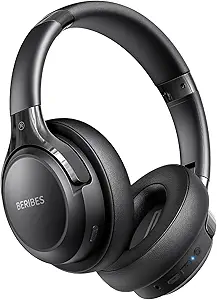 | Best Simple Wired-and-Wireless Pick | Battery life: Up to 65 hours | Standby time: More than 950 hours | Battery capacity: 500 mAh | VIEW LATEST PRICE | See Our Full Breakdown |
| DOQAUS Bluetooth Over-Ear Wireless Headphones with 90-Hour Playtime and App Control | 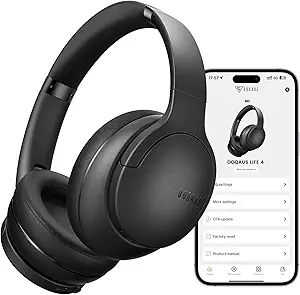 | Best for App-Based EQ | Battery life: Up to 90 hours | Quick charge: 10 minutes provides up to 5 hours of listening | Bluetooth: Version 5.4 | VIEW LATEST PRICE | See Our Full Breakdown |
| Beats Solo 4 Wireless On-Ear Bluetooth Headphones, Matte Black |  | Best On-Ear Pick | Type: Wireless on-ear headphones | Battery life: Up to 50 hours | Fast charging: 10-minute charge provides up to 5 hours of playback | VIEW LATEST PRICE | See Our Full Breakdown |
| Sony WH-CH520 Wireless On-Ear Bluetooth Headphones with Microphone, Cappuccino |  | Best Overall for Long Listening Days | Model: WH-CH520 | Type: Wireless on-ear headphones | Connectivity: Bluetooth | VIEW LATEST PRICE | See Our Full Breakdown |
| JBL Tune 510BT Wireless On-Ear Headphones with Pure Bass Sound, Black |  | Best for Bass-Forward Listening | Brand: JBL | Model: JBLT510BTBLKAM | Type: Wireless on-ear headphones | VIEW LATEST PRICE | See Our Full Breakdown |
| JBL Tune 510BT Wireless On-Ear Headphones, Rose |  | Best Colorful Everyday Pick | Brand: JBL | Model: Tune 510BT | Type: Wireless on-ear headphones | VIEW LATEST PRICE | See Our Full Breakdown |
| Sony WH-CH520 Wireless On-Ear Bluetooth Headphones with Microphone, Blue |  | Best for App-Based Sound Tweaks | Brand: Sony | Model: WH-CH520 | Type: Wireless on-ear headphones | VIEW LATEST PRICE | See Our Full Breakdown |
| wireless headphones for music listener | Battery life | Bluetooth |
|---|---|---|
| Uliptz WH203A Bluetooth Over-E | Up to 65 hours | Version 6.0 |
| bmani H1 Wireless Over-Ear Hea | Up to 120 hours | Version 6.0; 15-meter range |
| JBL Tune 720BT Wireless Over-E | Up to 76 hours | — |
| KVIDIO WH201A Wireless Over-Ea | Up to 65 hours | — |
| Glynzak WH207A Wireless Over-E | — | Version 6.0 |
| Wireless Over-Ear Noise-Cancel | Up to 120 hours; up to 70 hours with ANC on | Bluetooth 6.0 |
| TOZO HT3 Hybrid Noise-Cancelli | Up to 90 hours | — |
| BERIBES Wireless Over-Ear Blue | Up to 65 hours | — |
| DOQAUS Bluetooth Over-Ear Wire | Up to 90 hours | Version 5.4 |
| Beats Solo 4 Wireless On-Ear B | Up to 50 hours | Class 1 |
| Sony WH-CH520 Wireless On-Ear | Up to 50 hours | — |
| JBL Tune 510BT Wireless On-Ear | Up to 40 hours | 5.0 |
| JBL Tune 510BT Wireless On-Ear | Up to 40 hours | 5.0 |
| Sony WH-CH520 Wireless On-Ear | Up to 50 hours | — |
More Details on Our Top Picks
Uliptz WH203A Bluetooth Over-Ear Headphones
The Uliptz WH203A suits listeners who move between a laptop and phone: its two-device connection can save repeated pairing when music and calls alternate. Six EQ modes offer a quick way to change the sound, while the 40 mm drivers and memory foam ear cups make it a straightforward over-ear choice for long listening sessions. Its up to 65-hour battery is ample, though the JBL Tune 720BT lasts longer on its stated maximum and offers app-based EQ customization. Uliptz counters with a 3.5 mm wired option and a quick-charge claim of four hours of playtime from ten minutes. There is no active noise cancellation information, and the microphone works only over Bluetooth, so this is best for everyday listening in quieter settings rather than blocking busy surroundings.
Pros:- Connects to two devices at once
- Six EQ modes provide quick sound adjustments
- Up to 65 hours of stated battery life and fast charging
- 3.5 mm wired listening option
Cons:- No active noise cancellation information is provided
- Microphone works only in Bluetooth mode
Best for: Listeners who switch between a phone and computer and want long battery life, simple EQ choices, and a wired backup.
Not ideal for: Commuters who need active noise cancellation or listeners who need the built-in microphone to work over a wired connection.
- Driver size:40 mm
- Bluetooth:Version 6.0
- Battery life:Up to 65 hours
- Quick charge:10 minutes for up to 4 hours of playtime
- Connections:Bluetooth and 3.5 mm audio jack
- Multipoint:Connects to two devices
- Weight:180 g
- Microphone:Built-in; works in Bluetooth mode only
Our verdict“Choose the Uliptz WH203A if switching between two devices matters more than app-based EQ or active noise cancellation.”
bmani H1 Wireless Over-Ear Headphones with Active Noise Cancellation
For music listeners facing noisy commutes or shared spaces, the bmani H1 brings hybrid ANC rated for up to 45 dB of reduction alongside a stated 120-hour battery life. That combination gives it a different purpose from the JBL Tune 720BT, which offers long playback and app-based EQ but lists no active noise cancellation. The bmani also adds 360° spatial audio with head tracking, a feature for listeners who want a more enveloping presentation with compatible content. Six microphones support call noise reduction, while USB-C charging and a 3.5 mm AUX mode add flexibility. The tradeoff is a relatively heavy 270 g design, and wired listening requires Bluetooth to be turned off. Choose this model for isolation and long stretches between charges; skip it if low weight or uncomplicated wired use matters more.
Pros:- Hybrid ANC rated for up to 45 dB of reduction
- Up to 120 hours of stated playback
- 360° spatial audio with head tracking
- USB-C, Bluetooth, and 3.5 mm AUX connectivity
Cons:- At 270 g, it is heavier than the Uliptz WH203A
- Wired audio requires Bluetooth to be turned off
Best for: Frequent travelers and shared-space listeners who prioritize active noise reduction and long intervals between charges.
Not ideal for: Listeners who prefer lighter headphones or want to use the wired connection without managing Bluetooth settings.
- Drivers:40 mm dynamic
- Noise cancellation:Hybrid ANC, up to 45 dB reduction
- Microphones:6-mic ENC call array
- Battery life:Up to 120 hours
- Fast charge:10 minutes for up to 3 hours of playback
- Bluetooth:Version 6.0; 15-meter range
- Wired connection:3.5 mm AUX
- Weight:270 g
Our verdict“Pick the bmani H1 if noise reduction and extended battery life outweigh its heavier build and wired-mode step.”
JBL Tune 720BT Wireless Over-Ear Headphones, Blue
The JBL Tune 720BT is the clearest fit for listeners who want to adjust their sound from an app rather than cycle through preset modes. Its JBL Headphones app offers customizable EQ, and JBL Pure Bass gives the model a bass-forward identity that may suit energetic playlists. Compared with the six fixed EQ modes on the Uliptz WH203A and Glynzak WH207A, app control offers more direct tuning; in exchange, those models specify a 3.5 mm wired option, which the JBL listing does not. Its up-to-76-hour battery and five-minute quick charge are also strong for frequent listening, exceeding the stated 65-hour maximum of the KVIDIO WH201A. No ANC or water-resistance rating is listed, so this is better for everyday indoor use than noisy travel or wet-weather listening.
Pros:- Customizable EQ through the JBL Headphones app
- JBL Pure Bass sound technology
- Up to 76 hours of stated battery life
- Five-minute charge provides up to three hours of playback
Cons:- No active noise cancellation is mentioned
- No wired listening connection is specified
- No water-resistance rating is provided
Best for: Music listeners who want app-controlled EQ and a bass-forward sound for everyday playlists.
Not ideal for: Travelers seeking active noise cancellation or listeners who need a documented wired fallback or water-resistance rating.
- Style:Over-ear
- Connectivity:Bluetooth 5.3
- Battery life:Up to 76 hours
- Quick charge:5 minutes for up to 3 hours of playback
- Charging connector:USB Type-C
- Sound technology:JBL Pure Bass
- App feature:Customizable EQ through JBL Headphones app
- Call feature:Voice Aware
Our verdict“Choose the JBL Tune 720BT if app-based EQ and a bass-focused sound matter more than ANC or a listed wired option.”
KVIDIO WH201A Wireless Over-Ear Bluetooth Headphones
The KVIDIO WH201A keeps the listening setup simple: foldable over-ear construction, memory foam cushions, a built-in call microphone, and both Bluetooth and 3.5 mm wired playback. That makes it a practical option for listeners who want headphones they can pack away and still use when the battery is depleted. Compared with the Uliptz WH203A, it offers similar stated battery life and a wired connection, but lists no multipoint pairing or quick-charge figure. The JBL Tune 720BT provides app-based EQ and a longer stated maximum, while KVIDIO emphasizes foldability and a specified 3.5 mm jack. One listing detail is inconsistent: the description says Bluetooth 6.0, while the specifications say 5.3. There is also no ANC information, so these are better suited to casual listening than noisy commutes.
Pros:- Foldable design is easier to store and carry
- Memory foam ear cushions
- Bluetooth and 3.5 mm wired listening
- Up to 65 hours of stated playback
Cons:- Bluetooth version is inconsistent between the description and specifications
- No active noise cancellation is mentioned
- No quick-charge feature is specified
Best for: Listeners who want foldable over-ear headphones with a wired fallback for home, study, and occasional travel.
Not ideal for: Commuters who need ANC, listeners who require confirmed Bluetooth specifications, or frequent travelers seeking faster charging details.
- Model:WH201A
- Drivers:Dual 40 mm
- Bluetooth version:Specifications list 5.3; description also says 6.0
- Battery life:Up to 65 hours
- Battery capacity:500 mAh
- Charging time:2.5 hours
- Wired connection:3.5 mm jack
- Weight:7.04 ounces
Our verdict“Pick the KVIDIO WH201A if foldability and a wired fallback matter more than ANC or clearly documented Bluetooth details.”
Glynzak WH207A Wireless Over-Ear Bluetooth Headphones with Microphone
The Glynzak WH207A is a straightforward choice for listeners who want several sound profiles without relying on a phone app. Its six selectable EQ modes give it a similar quick-adjustment approach to the Uliptz WH203A, while Bluetooth 6.0 and a 3.5 mm jack cover wireless and wired listening. The stated 65-hour battery life matches the Uliptz and KVIDIO claims, but Glynzak lists no multipoint connection or quick charge, so it is less suited to people juggling devices or rushing out with a low battery. Adjustable padded ear cups and push-button controls keep the everyday setup simple. There is no active noise cancellation information, and the listed battery and sound claims come from product data rather than independent measurement. Choose it for preset flexibility; look elsewhere for isolation or app-based tuning.
Pros:- Six selectable EQ modes
- Bluetooth 6.0 and 3.5 mm wired connection
- Up to 65 hours of stated wireless playback
- Adjustable fit with padded ear cups and push-button controls
Cons:- No active noise cancellation is specified
- No quick-charge or multipoint feature is listed
- Battery life and sound quality are product claims
Best for: Listeners who prefer physical controls and preset EQ choices for varied music, with a wired backup available.
Not ideal for: Commuters needing ANC or listeners who want app-based sound adjustment, multipoint pairing, or a stated quick-charge feature.
- Model:WH207A
- Drivers:40 mm
- Bluetooth:Version 6.0
- EQ modes:6
- Battery capacity:500 mAh
- Wireless playback:Up to 65 hours
- Charging:USB-C; about 2.5 hours
- Wired connection:3.5 mm audio jack
Our verdict“Choose the Glynzak WH207A if you want simple preset EQ and wired flexibility without needing ANC or advanced connection features.”
Wireless Over-Ear Noise-Cancelling Headphones with Bluetooth 6.0
Battery endurance is the main reason to choose these headphones: the stated maximum is 120 hours, or 70 hours with active noise cancellation on. That gives frequent listeners more room between charges than the Beats Solo 4, which lists up to 50 hours, though Beats adds USB-C and 3.5 mm audio playback. Here, hybrid ANC and Transparency mode let listeners switch between reducing outside sound and hearing more of their surroundings. Cushioned ear cups and an adjustable steel headband support a conventional over-ear fit, but at 308 g they may feel heavy over a long day. The two-hour charge time is another tradeoff, and the product details do not establish how its sound tuning compares with the app EQ options on the TOZO HT3. I’d pick this pair for battery-first listening, not for the lightest fit.
Pros:- Stated playback of up to 120 hours, or up to 70 hours with ANC enabled
- Three modes include Noise Cancelling and Transparency
- USB Type-C charging
- Adjustable steel headband and cushioned ear cups
Cons:- 308 g weight may become tiring during extended wear
- Two-hour listed charging time
- No app-based EQ customization is specified
Best for: Listeners who take long trips or want to charge their over-ear headphones infrequently.
Not ideal for: People sensitive to headband weight or who want detailed app-based EQ controls.
- Noise cancellation:45 dB hybrid active noise cancellation
- Listening modes:Noise Cancelling, Transparency, Normal
- Battery life:Up to 120 hours; up to 70 hours with ANC on
- Charging time:2 hours
- Charging port:USB Type-C
- Bluetooth:Bluetooth 6.0
- Weight:308 g
Our verdict“Choose these for unusually long stated battery life and ANC modes if you can accept a heavier over-ear fit.”
TOZO HT3 Hybrid Noise-Cancelling Wireless Over-Ear Headphones
The TOZO HT3 suits listeners who want control over their sound, with 32 EQ modes in the app and a foldable design with replaceable ear pads. That makes it a more adjustable listening pick than the BERIBES Wireless Over-Ear Bluetooth Headphones, which offer six EQ modes but no active noise cancellation is specified. The HT3 also lists adaptive hybrid ANC up to 45 dB, four microphones, and spatial audio; these are feature claims, so the product details alone do not show how they perform against other models. Its 90-hour battery and quick charge—up to nine hours of playback from ten minutes—help on travel days. Bluetooth, AUX, and USB-C connections add flexibility, while multipoint supports two devices at once. I’d favor it for listeners who like tuning and connectivity options, while noting that weight and water resistance are not provided.
Pros:- 32 customizable EQ modes through the TOZO app
- Up to 90 hours of playback and a 10-minute quick charge for up to 9 hours
- Bluetooth, 3.5 mm AUX, USB Type-C, and two-device connectivity
- Foldable design with breathable, replaceable ear pads
Cons:- Weight and water-resistance details are not provided
- ANC performance is presented as a product claim without independent results
- AUX cable is not listed among the included accessories
Best for: Listeners who enjoy adjusting EQ, switch between a phone and laptop, and want foldable headphones for travel.
Not ideal for: Buyers who need a confirmed lightweight or water-resistant model, or prefer clearly documented fit and durability details.
- Noise cancellation:Adaptive hybrid ANC, up to 45 dB
- Microphones:Four high-sensitivity microphones; dedicated call microphone
- Driver size:40 mm
- Battery life:Up to 90 hours
- Quick charge:10 minutes provides up to 9 hours of playback
- Connectivity:Bluetooth, 3.5 mm AUX, USB Type-C
- Multipoint:Connects to two devices simultaneously
- Equalizer:32 customizable EQ modes via TOZO app
Our verdict“Pick the HT3 if app EQ, multipoint, and travel-friendly folding matter more than having fully specified weight and durability.”
BERIBES Wireless Over-Ear Bluetooth Headphones with 6 EQ Modes
The BERIBES is a straightforward choice for listeners who want a few sound presets and the option to plug in. Its six EQ modes give it more sound-shaping flexibility than the Beats Solo 4 product details specify, while the included 3.5 mm cable gives a wired fallback when Bluetooth is inconvenient. The tradeoff is that no active noise cancellation is mentioned, so it is less suited to noisy commutes than the ANC-equipped TOZO HT3. Up to 65 hours of playback is useful, though shorter than the 90 hours listed for the DOQAUS and TOZO models. At 0.38 lb, BERIBES lists a weight that may appeal to buyers comparing fit and portability, but the product information does not establish how its cushions feel over a full day. This is a practical, uncomplicated pick rather than a feature-rich one.
Pros:- Up to 65 hours of stated playback
- Six EQ modes for changing the sound profile
- Includes a 3.5 mm audio cable for wired listening
- Multipoint connects to two devices
Cons:- No active noise cancellation is specified
- Listed battery life is shorter than the 90-hour DOQAUS and TOZO options
- Product details do not specify app-based EQ or quick charging
Best for: Listeners who want over-ear headphones with a few EQ presets, a wired backup, and multipoint for two devices.
Not ideal for: Commuters who need active noise cancellation or listeners seeking a long list of app controls.
- Battery life:Up to 65 hours
- Standby time:More than 950 hours
- Battery capacity:500 mAh
- Driver size:40 mm
- EQ modes:6
- Weight:0.38 lb
- Bluetooth range:Up to 33 ft
- Connectivity:Multipoint for two devices; 3.5 mm wired connection; USB Type-C charging
Our verdict“Choose BERIBES for simple EQ choices and wired fallback, provided ANC is not a requirement.”
DOQAUS Bluetooth Over-Ear Wireless Headphones with 90-Hour Playtime and App Control
For listeners who want to shape a sound profile around their music, the DOQAUS app offers nine EQ modes, including six customizable profiles. That gives it a more extensive stated tuning menu than the six presets on the BERIBES, while the 90-hour battery and quick charge help keep listening interruptions short. It also connects to two devices at once, a useful convenience for moving between a laptop and phone. The 40 mm drivers and memory foam ear cups describe the basic listening setup, but the supplied details do not specify active noise cancellation, so I would not choose it over the TOZO HT3 for a commute where ANC is a priority. An included AUX cable provides a wired option. The product information gives few details on weight or build, leaving comfort and portability harder to compare.
Pros:- Nine EQ modes, including six customizable profiles in the DOQAUS app
- Up to 90 hours of stated playtime
- Ten-minute charge provides up to five hours of listening
- Two-device connectivity and included AUX cable
Cons:- No active noise cancellation is specified
- Weight and water-resistance details are not provided
- Quick-charge playback is shorter than the TOZO HT3 claim of up to nine hours from ten minutes
Best for: Listeners who want several app-based EQ profiles and regularly switch between two Bluetooth devices.
Not ideal for: Commuters seeking specified active noise cancellation or buyers who need weight and build details before choosing.
- Battery life:Up to 90 hours
- Quick charge:10 minutes provides up to 5 hours of listening
- Bluetooth:Version 5.4
- Connectivity:Simultaneous connection to two devices
- EQ modes:9 modes, including 6 customizable profiles via DOQAUS app
- Drivers:Dual 40 mm
- Microphone:Noise-reducing
- Wired listening:Included AUX cable
Our verdict“Pick DOQAUS if customizable app EQ and long stated battery life matter more than specified ANC or weight.”
Beats Solo 4 Wireless On-Ear Bluetooth Headphones, Matte Black
The Beats Solo 4 is the clear choice here for listeners who prefer an on-ear form and want broad phone compatibility. It lists up to 50 hours of battery life, USB-C and 3.5 mm playback, plus Personalized Spatial Audio with dynamic head tracking. Against the over-ear TOZO HT3, Beats trades ANC and replaceable ear pads for a lighter on-ear design and a more explicit Apple and Android compatibility claim. That shape will not suit every listener: the ear cushions rest on the ears, which can become uncomfortable during long sessions for some people. Its listed 1.19-pound weight is also heavier than the word “lightweight” might suggest, so fit is personal. I’d choose Solo 4 for on-ear listeners who value connection options and spatial features over noise cancellation.
Pros:- Up to 50 hours of stated battery life
- USB-C and 3.5 mm audio playback
- Personalized Spatial Audio with dynamic head tracking
- Compatibility listed for iOS and Android
Cons:- On-ear fit may be uncomfortable during extended listening
- No active noise cancellation is specified
- Listed weight is 1.19 pounds
Best for: Listeners who prefer on-ear headphones, use either iOS or Android, and want USB-C plus 3.5 mm playback.
Not ideal for: People who dislike pressure on their ears or need active noise cancellation for commuting.
- Type:Wireless on-ear headphones
- Battery life:Up to 50 hours
- Fast charging:10-minute charge provides up to 5 hours of playback
- Audio connections:USB-C and 3.5 mm
- Compatibility:iOS and Android
- Bluetooth:Class 1
- Weight:1.19 pounds
- Charging time:2.15 hours
Our verdict“Choose Solo 4 if you want an on-ear fit with wired and wireless options and can forgo ANC.”
Sony WH-CH520 Wireless On-Ear Bluetooth Headphones with Microphone, Cappuccino
The Sony WH-CH520 is my most balanced pick here for listeners who want long stretches of music without frequent charging. Its up to 50-hour battery life exceeds the JBL Tune 510BT’s 40 hours, while app EQ gives me more control over the sound than the JBL’s listed Pure Bass tuning. DSEE enhancement is designed to improve compressed audio, which may appeal to listeners with older or lower-bitrate tracks, though it does not replace a high-quality source. Multipoint Bluetooth and a built-in microphone make it easier to move between music on one device and calls on another. The main compromise is the on-ear fit: soft pads and a lightweight build help, but listeners who prefer over-ear headphones may find extended sessions less comfortable.
Pros:- Up to 50 hours of battery life
- Sound customization through the Sony Headphones Connect app
- Multipoint connection for two devices
- Lightweight design with adjustable headband and soft ear pads
Cons:- On-ear pads may become uncomfortable during extended listening
- No active noise cancellation is listed
Best for: Listeners who want customizable sound, long battery life, and easy switching between a phone and computer.
Not ideal for: Listeners who need over-ear cushioning for long sessions or active noise cancellation for noisy commutes.
- Model:WH-CH520
- Type:Wireless on-ear headphones
- Connectivity:Bluetooth
- Battery life:Up to 50 hours
- Charging:Quick charging; USB Type-C cable included
- Microphone:Built-in
- Multipoint:Connects to two devices
- Sound enhancement:DSEE
- Color:Cappuccino
Our verdict“Choose the Sony WH-CH520 if you want long battery life and adjustable sound in a lightweight on-ear design.”
JBL Tune 510BT Wireless On-Ear Headphones with Pure Bass Sound, Black
The JBL Tune 510BT suits listeners who want a more bass-focused presentation without adjusting an app EQ. JBL’s Pure Bass sound gives this model a clearer identity than the Sony WH-CH520, whose listed strengths include sound customization and DSEE enhancement. That emphasis can make beat-driven pop and electronic music feel punchier, though listeners who prefer a more balanced presentation may find the tuning less flexible. Battery life reaches up to 40 hours, which is substantial but trails Sony’s 50 hours. A five-minute charge adds two hours of playback, handy when a listening session is close and the battery is low. Bluetooth 5.0 supports two connected devices, while hands-free and voice assistant controls add everyday convenience. Its on-ear fit remains the main comfort tradeoff.
Pros:- JBL Pure Bass sound gives music a bass-forward character
- Up to 40 hours of battery life
- Five-minute quick charge provides two hours of playback
- Can connect to two devices and supports hands-free controls
Cons:- On-ear fit may feel uncomfortable for some listeners
- Battery life is shorter than the Sony WH-CH520
- No sound customization feature is listed
Best for: Listeners who favor punchy bass for pop, hip-hop, and electronic music and want quick top-ups between sessions.
Not ideal for: Listeners who want app-based sound customization, the longest battery life in this group, or over-ear comfort.
- Brand:JBL
- Model:JBLT510BTBLKAM
- Type:Wireless on-ear headphones
- Bluetooth:5.0
- Battery life:Up to 40 hours
- Charging time:As little as 2 hours
- Quick charge:5 minutes for 2 hours of playback
- Charging port:USB-C
- Color:Black
Our verdict“Pick the JBL Tune 510BT if bass emphasis and fast charging matter more to you than longer battery life or adjustable sound.”
JBL Tune 510BT Wireless On-Ear Headphones, Rose
The Rose JBL Tune 510BT brings the same bass-forward sound and core listening features as the black JBL Tune 510BT, so its distinct appeal is the rose finish for buyers who want their headphones to match a personal style. For music, JBL Pure Bass gives tracks a pronounced low end; compared with the Sony WH-CH520, there is no listed companion-app EQ or DSEE processing to tailor the presentation. You still get up to 40 hours of battery life, and a five-minute charge can supply two hours of playback. Two-device connectivity and Siri or Google Assistant support make it practical for switching between music and everyday tasks. As with the other on-ear picks, the fit may feel tight, and this model offers no listed noise cancellation.
Pros:- Rose color option adds a distinctive look
- JBL Pure Bass sound emphasizes low frequencies
- Up to 40 hours of battery life with quick charging
- Supports two connected devices, hands-free calls, Siri, and Google Assistant
Cons:- On-ear fit may feel tight during longer sessions
- No app-based EQ or DSEE sound enhancement is listed
- No active noise cancellation is listed
Best for: Style-conscious everyday listeners who want bass-forward sound, quick charging, and voice assistant access.
Not ideal for: Listeners who need adjustable EQ, over-ear cushioning, or noise cancellation for commuting.
- Brand:JBL
- Model:Tune 510BT
- Type:Wireless on-ear headphones
- Bluetooth:5.0
- Battery life:Up to 40 hours
- Charging time:2 hours
- Quick charge:5 minutes provides 2 hours of playback
- Voice assistant support:Siri and Google Assistant
- Color:Rose
Our verdict“Choose the rose JBL Tune 510BT if you want bass-led listening and voice controls in a color-forward on-ear design.”
Sony WH-CH520 Wireless On-Ear Bluetooth Headphones with Microphone, Blue
The blue Sony WH-CH520 is the one to choose if sound flexibility matters more than JBL’s fixed Pure Bass identity. Its EQ Custom and DSEE features offer ways to adjust playback and enhance compressed music, while the JBL Tune 510BT emphasizes bass and does not list comparable app controls. The Sony also lasts up to 50 hours, giving it an edge over the JBL’s 40-hour claim for listeners who travel or dislike frequent charging. Multipoint Bluetooth helps when music and calls move between two devices, and a built-in microphone supports hands-free use. This is the same core WH-CH520 proposition as the cappuccino version, with a blue finish. Its tradeoffs are the on-ear fit and the lack of listed active noise cancellation.
Pros:- EQ Custom and DSEE sound features
- Up to 50 hours of battery life with quick charging
- Multipoint connection for two devices
- Lightweight design with cushioned ear pads
Cons:- On-ear fit may not suit listeners who prefer over-ear cushioning
- No active noise cancellation is listed
- Same core features as the cappuccino WH-CH520, so color is the main distinction
Best for: Listeners who like to tune their music through an app and want long battery life in a blue on-ear headphone.
Not ideal for: Listeners who prefer over-ear headphones, need active noise cancellation, or want a stronger bass emphasis without tweaking settings.
- Brand:Sony
- Model:WH-CH520
- Type:Wireless on-ear headphones
- Connectivity:Bluetooth
- Battery life:Up to 50 hours
- Charging:Quick charging; USB Type-C cable included
- Microphone:Built-in
- Multipoint connection:Connects to two devices at once
- Color:Blue
Our verdict“Pick the blue WH-CH520 if you want app-adjustable playback and long battery life, and its on-ear fit suits you.”
How We Picked
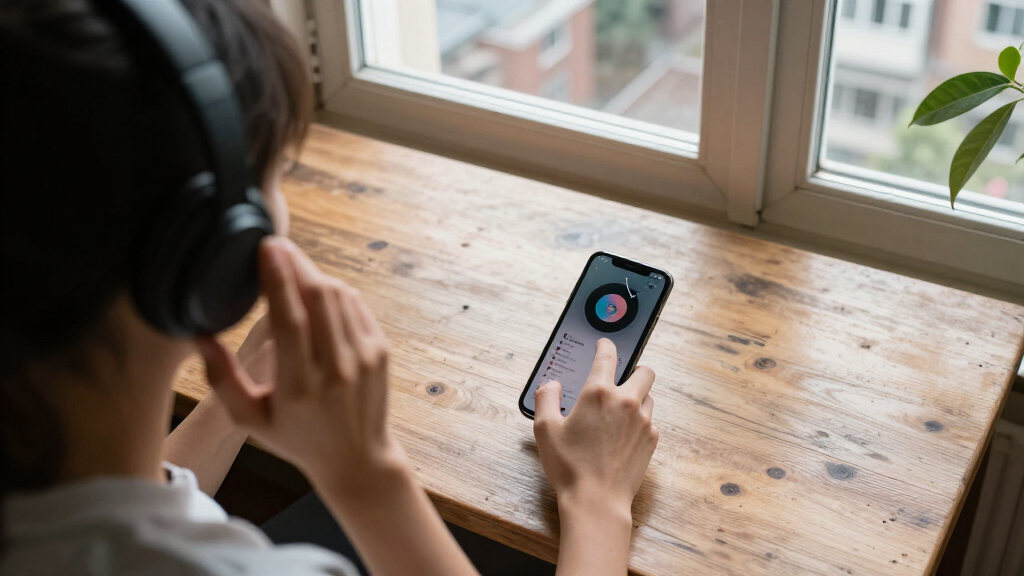
I ranked these wireless headphones for music listening by how well their described features support enjoyable everyday playback. I gave weight to listening comfort and form factor, sound options such as EQ or a stated bass focus, noise control, battery claims, app support, and practical wireless use. A feature mattered most when it solved a real listening problem, such as helping someone focus in a noisy setting or adjust the sound to different genres.
The order favors versatility for music first, then rewards models with a clearer advantage for a particular listener. The TOZO HT3 leads because hybrid noise cancelling gives it a distinct role for focused listening, while the JBL Tune 720BT and Beats Solo 4 represent different over-ear and on-ear priorities. Models with EQ or app controls stand out for customization, while simpler or less differentiated options rank lower. Where listings share the same model in different colors, I treat them as one listening proposition rather than implying a sound difference.
Factors to Consider When Choosing Wireless Headphones For Music Listeners
Before choosing, I’d match the headphones to where and how I listen. Product specs can make two wireless pairs look similar, but fit, noise control, and sound adjustment change the experience more than the Bluetooth label does.
Choose a fit for your listening routine
Over-ear headphones surround the ears, which can feel more immersive and help create a listening space around the music. On-ear designs sit against the ears and usually take up less room in a bag, but pressure can become more noticeable over long sessions. A common mistake is choosing only by portability when most listening happens at a desk or on a commute. Think about glasses, earrings, and how warm your ears get, since those details affect comfort over time. If possible, check return terms and try the fit during an ordinary listening session. I’d choose the style I can wear comfortably for a full album, not just a short song.
Decide whether noise cancelling matches your surroundings
Noise cancelling is most useful when steady background sound competes with music, such as on public transit or in a shared workspace. It does not replace a good fit, and it may not remove every sudden voice or sharp sound. For listening at home in a quiet room, comfort and sound character may matter more than paying attention to cancellation features. Buyers sometimes assume every product described as noise cancelling works equally well, but the label alone does not tell you how much sound it reduces. Consider whether you need isolation often enough to make it a priority. If you regularly listen around traffic or announcements, also think about whether you need to hear your surroundings at times.
Treat EQ as a tool, not a promise of better sound
EQ controls can help tailor bass, vocals, or treble to different genres and personal preferences. They are especially useful if one fixed tuning makes some playlists sound less balanced than others. More modes do not automatically mean better audio, and presets can make changes that do not suit every track. A practical approach is to begin with a neutral or default setting, then adjust one band or preset at a time. App-based controls can also be convenient if they are easy to access, but they add little value if you prefer to leave the sound untouched. Choose customization for flexibility, not for the assumption that more settings mean higher fidelity.
Read battery claims in the context of your habits
A long advertised battery life can reduce charging interruptions, particularly for frequent listeners or people who travel. Still, a maximum playback figure does not describe every use pattern, and features such as noise cancelling can affect how long a charge lasts. Consider whether you listen in short stretches, through a workday, or across long trips. For occasional listening, easy charging may matter more than the largest number on a spec sheet. Check how the manufacturer describes the battery figure and whether any other features change it. I’d pay extra attention to battery endurance only when charging access is a regular problem.
Match the sound profile to your music
Bass-forward tuning can bring weight to dance, hip-hop, and pop, while listeners focused on acoustic instruments or vocals may want a presentation that keeps those details clear. A product name that mentions bass is a clue about emphasis, not a full description of sound quality. If you listen across many genres, EQ flexibility can help bridge preferences, though it cannot guarantee that every tuning will suit you. Avoid choosing solely from a single genre you play occasionally. Think about the music that fills most of your listening time and whether you prefer a relaxed or energetic presentation. Where possible, compare familiar tracks at the same volume.
Pay for features you will use regularly
Noise cancelling, app controls, and extra sound modes can justify choosing a more feature-rich model when they fit your routine. They add less value if you mostly listen in quiet rooms and do not plan to change settings. Likewise, an on-ear pair may be the better practical choice even if an over-ear model offers a longer feature list. Compare the complete experience you need: fit, control access, portability, and listening environment. A frequent mistake is treating a long specification list as a quality ranking. I’d prioritize two or three features that solve daily problems and let the rest be secondary.
Frequently Asked Questions
Should I choose the TOZO HT3 or a simpler over-ear model for music?
I’d favor the TOZO HT3 if background noise regularly interrupts your listening and hybrid noise cancelling is a feature you expect to use. A simpler over-ear option may make more sense if you mainly listen in quiet places and want a more straightforward setup. Noise cancelling is not a substitute for comfortable fit or a sound profile you enjoy. Think about where your longest listening sessions happen before paying extra attention to isolation. If most of your listening is at home, comfort and music preferences can take priority.
Are on-ear headphones a good choice for long music sessions?
They can be, but fit pressure varies from person to person and may become noticeable sooner than with over-ear headphones. The Beats Solo 4, Sony WH-CH520, and JBL Tune 510BT are the compact on-ear choices in this lineup. Their smaller form can suit commuting and storage, while an over-ear pair may feel better for extended sessions. If you wear glasses or are sensitive to pressure on your ears, try to assess comfort over more than a few minutes. Choose based on your own fit rather than the assumption that smaller always means more comfortable.
Do I need app controls or multiple EQ modes to enjoy music?
No; they are useful when you want to adjust the sound for different genres or preferences, but they are not a requirement for enjoyable listening. The DOQAUS app controls and BERIBES EQ modes suit listeners who like to experiment. If you tend to keep one sound setting, a simpler model may be easier to live with. Extra controls also cannot compensate for a fit you dislike or a sound signature that does not suit your music. I’d treat EQ as a useful option rather than a deciding feature by itself.
Is an advertised 90-hour battery a reason to choose the DOQAUS?
It is a meaningful advantage if you listen often and have limited access to charging, but the advertised maximum should be read in light of how you use the headphones. Features and listening habits can affect real playback time. For shorter daily sessions, a more comfortable fit or a preferred sound may be more valuable than extra battery capacity. Consider how often you currently need to recharge your devices and whether that interrupts listening. Battery life should break a tie between suitable options, not automatically decide the purchase.
Which models should I compare if I want the same headphones for several music genres?
I’d start with models that offer ways to adjust playback, such as the BERIBES headphones with six EQ modes or the DOQAUS model with app control. That flexibility can help when bass-heavy music and vocal-focused tracks call for different balances. If you prefer not to change settings, focus on a sound profile you already enjoy rather than assuming more presets will solve every mismatch. Fit matters too: a model that becomes uncomfortable can limit how much music you listen to regardless of its EQ. Compare familiar songs from your most-played genres when you can.
Conclusion
For the best overall fit for focused music listening, I’d choose the TOZO HT3 for its hybrid noise cancelling and over-ear design. The best value direction is a simpler model that covers your core needs without charging you attention for controls you will not use; among these picks, the JBL Tune 720BT is a straightforward over-ear candidate. For a best premium on-ear option, the Beats Solo 4 stands apart from the more basic compact choices. Beginners who want familiar, uncomplicated listening can start with the Sony WH-CH520, while sound tinkerers should look at BERIBES for EQ modes or DOQAUS for app control and its advertised long battery life. Match the final choice to your fit, listening environment, and appetite for sound adjustments.