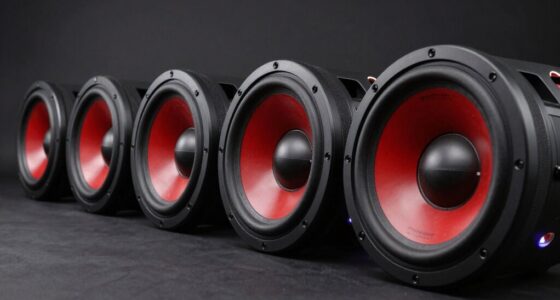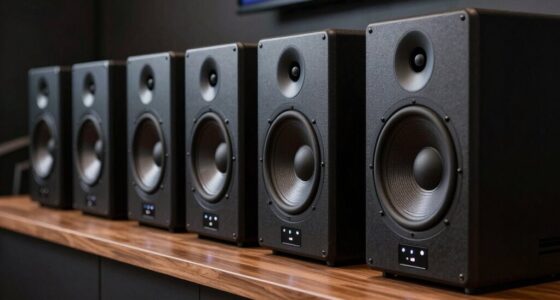
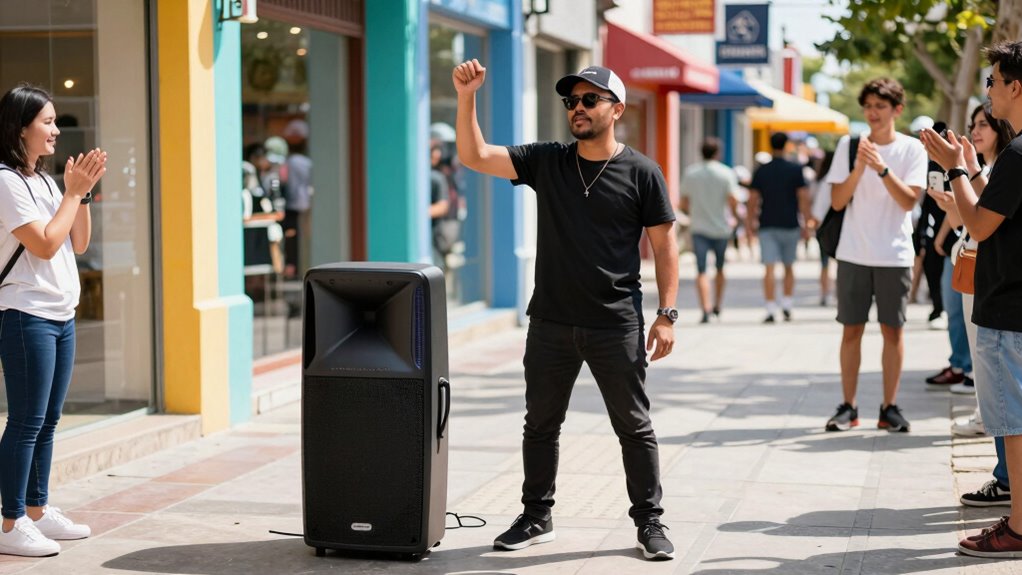
A battery-powered PA speaker for busking needs to balance clear vocals, enough inputs for your setup, and practical run time without becoming a burden to carry. My best overall pick is the ALTO Busker, with its busking-focused format and 200W output; the Sheeran Special Edition Busker stands out for its mixer, effects, and app control, while the Mackie Thump GO suits performers who want a compact, general-purpose PA. The main tradeoffs are loudness versus portability, dedicated instrument controls versus a broader PA feature set, and claimed power versus useful battery endurance. Some speakers here are built for live performance, while party speakers and mains-oriented systems may fit busking less naturally. Read on for the full comparison and advice on matching a speaker to your set.

Get audio and creator gear delivered free with Prime
- Fast, free delivery on millions of items
- Prime Video, Amazon Music and more included
- Member-only deals all year
Complete the kit



Key Takeaways
- The ALTO Busker and Sheeran Busker are the most directly busking-oriented choices: both pair portable PA formats with features that suit live street performance, though their control approaches differ.
- The Coolmusic BP60D and BP80 favor acoustic players: multiple inputs and instrument-friendly controls make them more tailored to guitar-and-vocal sets than party-style speakers.
- Battery operation is not universal across this list: confirm that a model can run from its internal battery for your intended performance; a portable cabinet or Bluetooth connection alone does not make it suitable for unplugged busking.
- Large wattage figures do not settle the loudness question: driver design, usable coverage, clarity, and performance conditions matter more than a headline power number when competing with street noise.
- Some listed products are better treated as alternatives than primary busking picks: party speakers and larger PA systems can offer extra playback or output options, but may bring compromises in portability, controls, or battery suitability.
| Pyle 1200W Portable Bluetooth PA Speaker with Subwoofer and Microphone |  | Best for Big, Mixed-Use Busking Setups | Power: 1200 watts | Speaker: 12-inch subwoofer | Bluetooth: Version 4.2 | VIEW ON AMAZON | See Our Full Breakdown |
| Coolmusic BP60D 120W Battery Powered Acoustic Guitar Amplifier, Portable Bluetooth Speaker with Reverb Chorus Delay Effect, 7 Inputs |  | Best for Multi-Instrument Buskers | Output: 120W | Drivers: Dual 8-inch woofers and dual 2-inch tweeters | Frequency range: 40Hz–18kHz | VIEW ON AMAZON | See Our Full Breakdown |
| ALTO Busker 200W Portable PA Speaker System |  | Best Overall for Street Performance | Power: 200W | Battery life: Up to 24 hours | Mixer: 3-channel digital mixer | VIEW ON AMAZON | See Our Full Breakdown |
| Philips X5206 Bluetooth Party Speaker |  | Best for Party-Style Busking | Power: 80W RMS / 160W maximum | Woofers: Dual 8-inch | Tweeters: 3-inch | VIEW ON AMAZON | See Our Full Breakdown |
| LOTAWAY Y1X-120 Battery Powered Portable PA System, 114dB, 240W, Black |  | Best Compact, Fast-Charging Pick | Power: 120W RMS; 240W peak | Maximum sound level: 114dB | Drivers: 6.5-inch woofer and three 2.5-inch full-range drivers | VIEW ON AMAZON | See Our Full Breakdown |
| Coolmusic BP80 Battery Powered Acoustic Guitar Amplifier |  | Best for Multi-Instrument Busking | Woofer: 8 inches | Tweeter: 3 inches | Inputs: Six multifunctional input ports | VIEW ON AMAZON | See Our Full Breakdown |
| Mackie Thump GO 8-Inch Portable Battery-Powered Loudspeaker |  | Best for Expandable Busking Setups | Woofer: 8 inches | Tweeter: 1-inch compression driver | Amplifier type: Class-D | VIEW ON AMAZON | See Our Full Breakdown |
| Peavey Solo Battery Powered Portable PA and Busking Amp |  | Best for Straightforward, Long Sets | Output: 90W | Channels: 4 | Battery runtime: Up to 10 hours | VIEW ON AMAZON | See Our Full Breakdown |
| Sheeran Special Edition Busker |  | Best for Long, Feature-Rich Sets | Woofer: 6.5 inches | Tweeter: 1 inch | Battery runtime: Up to 24 hours | VIEW ON AMAZON | See Our Full Breakdown |
| ION Audio Trouper 100 Bluetooth Portable PA Speaker |  | Best for Lighter Carry and Flexible Power | Output: 100W | Channels: 3 | Battery type: Lithium-ion | VIEW ON AMAZON | See Our Full Breakdown |
| EXOTON E-B10 10″ Portable Rechargeable Speaker with 800W Battery, Bluetooth, TWS, and DSP |  | Best for Guitar-and-Vocal Busking | Speaker size: 10 inches | Stated power output: 800 watts | Battery: 18.5V / 5000mAh lithium-ion | VIEW ON AMAZON | See Our Full Breakdown |
| PRORECK Dance 12 Portable 12-Inch 1000 Watts 2-Way Powered PA Speaker System with Bluetooth, USB, SD Card Reader, FM Radio, Remote Control, Speaker Stand |  | Best for Mains-Powered Street Sets | Speaker size: 12 inches | Power: 1000W peak, 150W RMS | Inputs: 1/4-inch microphone, RCA line | VIEW ON AMAZON | See Our Full Breakdown |
| Proreck PR-915D 1500W Bluetooth PA Speaker, 15-Inch, 3-Channel DSP, Wireless TWS Pairing |  | Best for Maximum Speaker Size | Speaker size: 15 inches | Stated power: 1500W | Channels: 3 | VIEW ON AMAZON | See Our Full Breakdown |
| Rockville TITAN ONE PRO Battery Powered 8″ Live Performance Speaker System |  | Best for Long Busking Sessions | Speaker size: 8 inches | Stated power output: 600W peak | Battery life: Up to 15 hours | VIEW ON AMAZON | See Our Full Breakdown |
| battery powered pa speaker for busking | Weight | Inputs |
|---|---|---|
| Pyle 1200W Portable Bluetooth | — | USB, SD card, 3.5mm aux |
| Coolmusic BP60D 120W Battery P | 9.0kg | Six independent input channels; microphone, instrument, and line connections |
| ALTO Busker 200W Portable PA S | — | — |
| Philips X5206 Bluetooth Party | — | — |
| LOTAWAY Y1X-120 Battery Powere | 15 lb | — |
| Coolmusic BP80 Battery Powered | 8.5 kg | Six multifunctional input ports |
| Mackie Thump GO 8-Inch Portabl | — | — |
| Peavey Solo Battery Powered Po | 15.4 pounds | XLR, 1/4-inch, Bluetooth |
| Sheeran Special Edition Busker | — | — |
| ION Audio Trouper 100 Bluetoot | 11.9 pounds | XLR microphone inputs |
| EXOTON E-B10 10" Portable Rech | 22.2 pounds | — |
| PRORECK Dance 12 Portable 12-I | — | 1/4-inch microphone, RCA line |
| Proreck PR-915D 1500W Bluetoot | 62.5 pounds | XLR, 1/4-inch TRS, AUX IN |
| Rockville TITAN ONE PRO Batter | 23.3 pounds | — |
More Details on Our Top Picks
Pyle 1200W Portable Bluetooth PA Speaker with Subwoofer and Microphone
The Pyle makes the most sense when a busking setup needs to double as a small-event PA: its 12-inch subwoofer, stated 1200W output, and included UHF microphone give it a broader, fuller-featured brief than the instrument-focused Coolmusic BP60D. USB and SD playback also let me run backing tracks without relying on a phone connection. That flexibility comes with a portability cost: the larger cabinet is less appealing for walking between spots or squeezing into a crowded pavement performance, and the supplied information gives no battery runtime to plan a long set around. The ALTO Busker is a more purpose-built choice for performers who prioritize a clearly stated long battery life and flexible placement. I’d choose the Pyle for broad sound and playback options, not for the lightest carry.
Pros:- 12-inch subwoofer and stated 1200W output target a fuller, higher-output presentation than compact busking amps.
- Included UHF wireless microphone can simplify vocal performance and announcements.
- USB, SD card, Bluetooth, and 3.5mm aux support several backing-track sources.
- Echo, bass, treble, and recording controls add flexibility for mixed performance and event use.
Cons:- Bulky size makes frequent carrying and tight street setups less convenient.
- Battery life is not specified, making long outdoor sets harder to plan.
- The many playback and sound controls may take extra setup time for first-time PA users.
Best for: Buskers who also provide vocals and backing tracks at outdoor gatherings or small events, and want a wireless mic plus USB or SD playback.
Not ideal for: Musicians who walk between performance spots or need dependable runtime figures before committing to a long unplugged set.
- Power:1200 watts
- Speaker:12-inch subwoofer
- Bluetooth:Version 4.2
- Wireless range:33+ ft
- Inputs:USB, SD card, 3.5mm aux
- Battery:Built-in rechargeable; runtime not specified
- Microphone:UHF wireless microphone
- Additional features:LED battery indicator, echo/bass/treble controls, recording capability
Our verdict“Choose the Pyle if you want a large, feature-rich PA for busking and small events; skip it if compact carrying and known battery runtime matter most.”
Coolmusic BP60D 120W Battery Powered Acoustic Guitar Amplifier, Portable Bluetooth Speaker with Reverb Chorus Delay Effect, 7 Inputs
The BP60D is the most instrument-oriented option in this group: its independent channels and instrument inputs suit a performer switching between guitar, vocals, and backing tracks, while the ALTO Busker takes a simpler three-channel approach. The listed 6–8 hours of battery playtime gives a more practical planning baseline than the Pyle, whose runtime is unspecified. Guitarists also get reverb, chorus, and delay controls, plus separate vocal and instrument EQ, so they can shape a solo set without adding a pedalboard. At 9kg, it is carryable but not featherweight, and its many knobs and connections can be more than a single-mic singer needs. The claimed 120W and four-driver layout are promising, but the supplied details do not establish how loudly it will carry across a noisy street.
Pros:- Multiple independent inputs support a more involved guitar-and-vocal busking rig.
- Dedicated guitar reverb, chorus, and delay can reduce the need for external effects.
- Stated 6–8-hour battery runtime offers a useful set-planning reference.
- USB and Bluetooth playback handle backing tracks, while DI out and record connections support expansion and capture.
Cons:- At 9kg, it is less convenient to carry than a very compact busking amp.
- The numerous channels and controls add setup complexity for performers with a basic rig.
- Battery runtime and claimed output do not specify performance at maximum volume.
Best for: Solo performers or small duos who need separate vocal, guitar, and backing-track connections, plus onboard instrument effects.
Not ideal for: Singers seeking a simple, light one-channel setup, or buskers who need a clearly established high-volume reach for noisy or large outdoor crowds.
- Output:120W
- Drivers:Dual 8-inch woofers and dual 2-inch tweeters
- Frequency range:40Hz–18kHz
- Battery life:6–8 hours
- Weight:9.0kg
- Inputs:Six independent input channels; microphone, instrument, and line connections
- Effects:Guitar reverb, chorus, and delay; vocal reverb and tone controls
- Connections and playback:Bluetooth, USB playback, 3.5mm record, headphone monitor, DI out, send/return
Our verdict“Pick the BP60D for a guitar-led act that needs flexible inputs and onboard effects, but choose a simpler PA if you only need basic vocal amplification.”
ALTO Busker 200W Portable PA Speaker System
The ALTO Busker earns the strongest all-round busking fit here by putting the essentials together: battery power, a three-channel mixer, Bluetooth 5.3, and up to 24 hours of stated runtime. That makes it easier to build a vocal-and-instrument setup than the party-focused Philips X5206, while its runtime claim is more reassuring for long days than the Pyle’s unspecified battery life. The cabinet’s four placement options help adapt it to a pavement set, a seated performance, or a stand-mounted setup. App control adds convenience for adjusting it away from the speaker, though performers who prefer physical-only operation may not want to rely on a phone. Detailed sound specifications are limited, so I would not choose it on wattage alone; its appeal is the balanced mix of busking-oriented features and practical flexibility.
Pros:- Up to 24 hours of stated battery life supports extended outdoor use.
- Three-channel digital mixer suits a compact vocal-and-instrument setup.
- Vertical, tilted-back, horizontal, and stand-mount positions adapt to different performance spots.
- Bluetooth 5.3 and iOS/Android app support add wireless playback and remote control.
Cons:- Sound-quality details are limited in the supplied product information.
- Some remote-control functions rely on a phone app, which may not suit every performer.
- The 200W figure alone does not establish how it will carry over a loud street environment.
Best for: Street performers who need a flexible battery PA for vocals, an instrument, and occasional backing tracks across long performance days.
Not ideal for: Buyers who want detailed published sound specifications or prefer to control every function without a companion app.
- Power:200W
- Battery life:Up to 24 hours
- Mixer:3-channel digital mixer
- Bluetooth:Version 5.3
- Speaker positions:Vertical, tilted back, horizontal, stand mount
- App compatibility:iOS and Android
Our verdict“Choose the ALTO Busker for a flexible street-performance PA with a long stated runtime, unless app-free control or detailed sound data is a priority.”
Philips X5206 Bluetooth Party Speaker
The Philips X5206 is a party speaker first, so I’d put it on this list for buskers who want big bass and a visible performance atmosphere rather than a traditional instrument-focused PA. Its dual 8-inch woofers, lighting modes, and karaoke voice effects make it a better fit for lively crowd interaction than the more performance-specific ALTO Busker. The stated 14-hour battery life is useful for outdoor use, and Bluetooth, USB, audio-in, and line-out offer several ways to connect. But the product details do not establish its weight or ruggedness, both relevant when carrying gear to a street spot. It also lacks the clear multi-channel instrument setup described for the Coolmusic BP60D. I’d favor it for backing-track-led entertainment, not for musicians who need detailed control of several live sources.
Pros:- Dual 8-inch woofers are suited to bass-forward backing tracks.
- Four lighting modes can make a performance more visually engaging.
- Stated 14-hour playtime supports extended outings.
- Bluetooth, USB, audio-in, and line-out provide varied playback and connection options.
Cons:- Party-speaker design offers less clearly specified live-instrument mixing than the Coolmusic BP60D.
- Weight is not specified, complicating plans for carrying it between locations.
- Durability details are limited for frequent outdoor transport and street use.
Best for: Buskers who build a high-energy set around backing tracks, karaoke-style vocals, prominent bass, and party lighting.
Not ideal for: Acoustic performers who need several dedicated instrument inputs, or mobile buskers who need confirmed weight and outdoor durability details.
- Power:80W RMS / 160W maximum
- Woofers:Dual 8-inch
- Tweeters:3-inch
- Battery life:Up to 14 hours
- Lighting:Four LED lighting modes
- Voice modes:Echo, bass, and treble
- Connectivity:Bluetooth, USB, audio-in, line-out
Our verdict“Choose the Philips for bass-heavy, crowd-facing sets with lights and karaoke effects, but look to a dedicated PA if live instrument mixing is your main need.”
LOTAWAY Y1X-120 Battery Powered Portable PA System, 114dB, 240W, Black
The LOTAWAY Y1X-120 suits buskers who want a compact PA with a specified carry weight and a useful mix of inputs. At 15 lb, it is easier to plan around than the larger Pyle, while its XLR/1/4-inch inputs and three-channel mixer make it more performance-ready than the Philips party speaker. The stated up to 12-hour battery life and two-hour charging time can help with quick turnarounds between sessions, though runtime varies with volume and program material. Its 240W figure is peak power, not a direct guarantee of sustained outdoor loudness, and the listed small-to-medium venue scope matters if a busker needs to reach a large or noisy crowd. Multiple placement options, including stand mounting, add flexibility without changing its central role as a portable, moderate-scale PA.
Pros:- Listed 15 lb weight makes carrying and transport easier to plan.
- Three-channel mixer and XLR/1/4-inch inputs support microphones and instruments.
- Up to 12 hours of battery life and a stated two-hour charge time suit repeated outings.
- Can be used lying down, tilted, mounted, or vertically.
Cons:- Designed for small-to-medium venues, so it may not carry across large or noisy crowds.
- Battery runtime varies with volume and audio content.
- 240W is listed as peak power, which does not establish sustained output.
Best for: Solo buskers and small acts who need a manageable 15 lb speaker, live inputs, flexible placement, and relatively quick recharging.
Not ideal for: Performers trying to cover large, noisy outdoor crowds or those who need the stated battery runtime to hold at maximum output.
- Power:120W RMS; 240W peak
- Maximum sound level:114dB
- Drivers:6.5-inch woofer and three 2.5-inch full-range drivers
- Battery life:Up to 12 hours
- Charging time:2 hours
- Weight:15 lb
- Connectivity:Bluetooth 5.0, XLR/1/4-inch inputs
- Positioning:Lying down, tilted, mounted, or vertical
Our verdict“Choose the LOTAWAY for a carryable, quick-charging PA suited to smaller busking spots, but step up to a larger system for demanding crowd coverage.”
Coolmusic BP80 Battery Powered Acoustic Guitar Amplifier
The BP80 suits a busker who needs a small performance mixer as much as a speaker. Its six input connections, two independently adjusted channels, and 48V phantom power make it more accommodating for a condenser mic and several instruments than the four-channel Peavey Solo’s listed setup. Separate low, mid, and high controls, plus reverb and chorus, let performers shape guitar and vocal sounds without bringing extra effects gear. At 8.5 kg, it is also lighter than the ION Audio Trouper 100, and it adds USB playback and one-touch recording for practice or simple capture. The tradeoff is endurance: its stated 5–10 hours is less predictable than the Sheeran Busker SE’s claimed 24 hours. Its 100W rating and compact drivers are better suited to street corners and small gatherings than large, loud crowds.
Pros:- Six input connections and 48V phantom power support varied instruments and condenser microphones.
- Separate channel EQ, reverb, and chorus provide useful tone shaping without extra processors.
- USB playback, Bluetooth, and one-touch recording support backing tracks and practice capture.
- At 8.5 kg, it is lighter than the ION Audio Trouper 100.
Cons:- The stated 5–10-hour runtime is shorter and less definite than the Sheeran Busker SE’s claimed 24 hours.
- Its 100W output and 8-inch woofer are a better fit for small performances than large, noisy spaces.
Best for: Solo performers or small acoustic duos who need phantom power, several simultaneous inputs, and built-in tone effects in a carryable busking amp.
Not ideal for: Performers playing long outdoor sets without access to charging, or buskers who need the stated battery runtime to exceed ten hours.
- Woofer:8 inches
- Tweeter:3 inches
- Inputs:Six multifunctional input ports
- Phantom power:48V
- Battery runtime:5–10 hours
- Weight:8.5 kg
- Other connections and features:Bluetooth, USB playback, AUX, 3.5 mm recording output, DI output, headphone monitoring, one-touch recording
Our verdict“Choose the BP80 if your busking setup needs multiple instrument and mic inputs with hands-on tone controls, and accept its limited stated runtime.”
Mackie Thump GO 8-Inch Portable Battery-Powered Loudspeaker
The Thump GO is a strong match for buskers who value quick setup and the option to build a larger rig later. Its removable lithium-ion battery avoids tying the whole speaker to one fixed power source, while Bluetooth app control and voicing modes make adjustments easier when the unit is on a pole or out of arm’s reach. The built-in feedback eliminator and music-ducking feature address practical live-performance problems, not just playback convenience. Unlike the Coolmusic BP80, this is presented as a portable loudspeaker with a two-channel digital mixer rather than an instrument amp with detailed per-channel EQ and effects. It can link with additional units for broader coverage, but the product details do not state battery duration, dimensions, or weight. That makes it harder to plan a long, strictly carry-on-foot busking day than with the Peavey Solo, which lists a 10-hour runtime and weight.
Pros:- Removable lithium-ion battery makes battery replacement practical.
- Feedback eliminator and music ducking target common live-performance issues.
- App control and application-specific voicing modes provide setup flexibility.
- Can link multiple units and includes a pole mount for expanded coverage.
Cons:- Battery runtime, dimensions, and weight are not provided in the supplied product details.
- Its two-channel mixer offers less input capacity than the six-input Coolmusic BP80.
- Full wireless control depends on using the companion app.
Best for: Buskers who want app-based sound control, feedback management, and the ability to link another speaker for wider coverage.
Not ideal for: Performers who need a documented battery runtime or a known carry weight before choosing a speaker for long walks and extended sets.
- Woofer:8 inches
- Tweeter:1-inch compression driver
- Amplifier type:Class-D
- Battery:Removable lithium-ion
- Mixer:Two-channel digital mixer
- Connectivity:Bluetooth and Thump Connect app
- Output connection:XLR output
- Performance features:Voicing modes, outdoor mode, music ducking, feedback eliminator, pole mount, multiple-unit linking
Our verdict“Pick the Thump GO for flexible control and a speaker system you can expand, but choose a model with stated runtime and weight if those are central to your busking plans.”
Peavey Solo Battery Powered Portable PA and Busking Amp
The Peavey Solo’s appeal is a busking-friendly balance of four channels, a stated 10-hour battery life, and manageable weight. At 15.4 pounds, it is heavier than the Coolmusic BP80 but remains a practical carry for performers moving between nearby spots. Its XLR and quarter-inch connections accommodate a microphone and guitar, while Bluetooth covers backing tracks; the guitar-specific EQ and reverb help keep a basic solo setup simple. Compared with the ION Audio Trouper 100, the Solo gives a clearly stated runtime and four channels rather than three, though the ION lists a lighter 11.9-pound body and up to 15 hours of playtime. The Solo’s 90W output is a sensible fit for street performance and small outdoor sets, not a substitute for a larger rig when competing with substantial crowd or traffic noise.
Pros:- Four channels support a straightforward mic-and-instrument busking setup.
- Advertised battery life of up to 10 hours suits extended outings.
- Guitar input, guitar-specific EQ, and reverb are tailored to acoustic performance.
- Bluetooth supports backing tracks from a phone or tablet.
Cons:- At 15.4 pounds, it is heavier than the Coolmusic BP80 and ION Audio Trouper 100.
- Its 90W output is better suited to small performances than large, noisy venues.
- Actual battery life can vary with use.
Best for: Solo guitarists and singer-songwriters who want a simple four-channel battery PA with a stated runtime for a full day of short sets.
Not ideal for: Buskers covering large or very noisy spaces, or performers who prioritize a lighter speaker and longer listed runtime over an extra channel.
- Output:90W
- Channels:4
- Battery runtime:Up to 10 hours
- Weight:15.4 pounds
- Dimensions:14.5 × 10 × 11.25 inches
- Inputs:XLR, 1/4-inch, Bluetooth
- Mounting:Floor standing
- Enclosure materials:Metal and plastic
Our verdict“Choose the Solo for a guitar-led busking setup that needs four channels and a stated 10-hour battery claim, rather than maximum output or minimum carry weight.”
Sheeran Special Edition Busker
For buskers who want fewer battery breaks and built-in performance effects, the Sheeran Busker SE brings the strongest stated endurance in this group: up to 24 hours. Its 200W rating, three-channel mixer, DSP, and Alesis effects make it a more performance-focused choice than the ION Audio Trouper 100, which lists 100W and a three-channel mixer. Bluetooth and app control add convenience when managing tracks or settings, while USB charging can help keep a phone powered during a set. The tradeoff is its 6.5-inch woofer: the high power rating does not by itself tell a buyer how much bass or outdoor coverage to expect, and the supplied details position it for small to medium venues. Unlike the Peavey Solo, it has no listed weight or dimensions, so planning a long walk with gear is less straightforward.
Pros:- Advertised battery life of up to 24 hours supports long outings between charges.
- Three-channel mixer, DSP, and Alesis effects offer performance tools without separate effects hardware.
- 200W rating is higher than the listed output of the ION Audio Trouper 100.
- USB charging can supply power to a connected device.
Cons:- The 6.5-inch woofer is smaller than the 8-inch drivers in the Coolmusic BP80 and Mackie Thump GO.
- Weight and dimensions are not supplied, making carry planning difficult.
- The product details describe it for small to medium venues rather than large outdoor crowds.
Best for: Performers who play long outdoor sets and want integrated effects, app control, and a long advertised battery runtime in one speaker.
Not ideal for: Buskers who need verified carry dimensions and weight, or who regularly play large outdoor areas and want clearly specified coverage information.
- Woofer:6.5 inches
- Tweeter:1 inch
- Battery runtime:Up to 24 hours
- Mixer:3-channel
- Audio processing and effects:DSP and Alesis FX
- Connectivity:Bluetooth and app control
- Additional feature:USB charging
Our verdict“Choose the Busker SE if long battery life and built-in effects matter more than having a larger woofer or confirmed carry specifications.”
ION Audio Trouper 100 Bluetooth Portable PA Speaker
The Trouper 100 makes sense for a busker who needs a comparatively light speaker that can run on battery outdoors or AC indoors. Its 11.9-pound weight is lower than the Peavey Solo’s 15.4 pounds, and the stated runtime reaches up to 15 hours, exceeding the Solo’s listed 10 hours. A three-channel mixer with XLR microphone inputs, Bluetooth 5.0, and app control covers a compact vocal-and-instrument setup, while dual power options suit performers who rehearse or play indoors as well as busk. Compared with the six-input Coolmusic BP80, though, its listed mixer has fewer channels and does not detail the same EQ, effects, or phantom-power options. The speaker also has no stand included, and its 100W rating is aimed at modest gigs rather than demanding crowd coverage. The supplied frequency-response figure is limited to 16 kHz.
Pros:- At 11.9 pounds, it is lighter than the Peavey Solo.
- Up to 15 hours of stated playback exceeds the Solo’s listed 10 hours.
- Battery and AC power options support both outdoor busking and indoor use.
- Three-channel mixer, XLR inputs, and Bluetooth suit a compact live setup.
Cons:- Three channels offer less input capacity than the six-input Coolmusic BP80.
- No stand is included, so pole mounting requires a separate purchase.
- The listed 100W output may not suit large or very noisy outdoor spaces.
Best for: Buskers who move between indoor rehearsals and outdoor performances and want a lighter speaker with battery and AC power options.
Not ideal for: Multi-instrument performers needing more than three channels, or buskers who need a speaker stand included in the package.
- Output:100W
- Channels:3
- Battery type:Lithium-ion
- Battery runtime:Up to 15 hours
- Weight:11.9 pounds
- Dimensions:8.62 × 10 × 11.77 inches
- Inputs:XLR microphone inputs
- Connectivity and control:Bluetooth 5.0 and ION Sound Control app
- Power options:Rechargeable battery or AC
Our verdict“Choose the Trouper 100 for a lighter, dual-powered busking speaker with a useful stated runtime, but look elsewhere if you need extensive inputs or an included stand.”
EXOTON E-B10 10″ Portable Rechargeable Speaker with 800W Battery, Bluetooth, TWS, and DSP
The EXOTON E-B10 is the most direct fit here for a solo busker who wants a rechargeable speaker with a dedicated guitar input as well as microphone inputs. Its 10-inch driver and built-in DSP are aimed at fuller, clearer street performance sound than a small practice amp, while Bluetooth, USB, FM, and AUX give you ways to play backing tracks. The listed battery runtime is up to six hours, so it suits a set or a few shorter stops better than an all-day outing. Compared with the Rockville TITAN ONE PRO, it has a guitar input and is slightly lighter, but Rockville lists up to 15 hours of battery life and four channels. At 22.2 pounds, the EXOTON is still a noticeable carry, and its advertised 800W figure comes without detailed output information.
Pros:- Dedicated guitar input plus microphone inputs supports a simple vocal-and-instrument setup.
- Up to six hours of stated playback is useful for a set or shorter busking session.
- Bluetooth, USB, FM, AUX, and TWS cover several backing-track and pairing options.
- At 22.2 pounds, it is lighter than the listed PRORECK 12-inch and Proreck 15-inch speakers.
Cons:- The stated battery life may shrink with louder playback, and six hours is shorter than the Rockville TITAN ONE PRO’s listed maximum.
- At 22.2 pounds, it is not an effortless walk-between-spots speaker.
- The 800W claim is not accompanied by detailed output specifications, making real-world loudness hard to judge.
Best for: Solo singers or guitarists who need a rechargeable speaker with direct guitar and microphone connections for shorter outdoor sets.
Not ideal for: Buskers who perform for most of the day without access to charging, or who need a clearly documented power rating and lightweight carry.
- Speaker size:10 inches
- Stated power output:800 watts
- Battery:18.5V / 5000mAh lithium-ion
- Listed playback:Up to 6 hours
- Connectivity:Bluetooth 5.0, USB, FM, AUX, guitar input, microphone inputs
- Pairing:TWS
- Weight:22.2 pounds
- Dimensions:11.42 x 10.83 x 20.07 inches
Our verdict“Choose the EXOTON E-B10 for a rechargeable guitar-and-vocal setup on shorter busking outings, but pick the Rockville TITAN ONE PRO if battery duration matters more.”
PRORECK Dance 12 Portable 12-Inch 1000 Watts 2-Way Powered PA Speaker System with Bluetooth, USB, SD Card Reader, FM Radio, Remote Control, Speaker Stand
The PRORECK Dance 12 offers a large 12-inch driver, stand, and several playback options, which may appeal to a busker who plays at a fixed outdoor event with access to mains power. But the supplied product information does not list a battery, so I would not treat it as a true battery-powered choice for roaming street performances. Its 150W RMS figure gives a more useful power reference than the peak-only claims attached to some options here, while Bluetooth, USB, SD, and FM make it easy to run backing music. Compared with the EXOTON E-B10, it has a larger driver and included stand, but the EXOTON has a rechargeable battery and dedicated guitar input. At a listed 60 pounds including package details, transport is a serious drawback for a performer carrying gear alone.
Pros:- 12-inch speaker is suited to a larger setup than the 8-inch Rockville TITAN ONE PRO.
- 150W RMS specification gives a clearer continuous-power reference than peak-only figures.
- Bluetooth, USB, SD card, and FM support multiple ways to play backing tracks.
- Speaker stand and remote are included for fixed-location setup and playback control.
Cons:- No battery-powered operation is specified, which rules it out for many unplugged busking spots.
- The listed package weight is 60 pounds, making solo transport difficult.
- The supplied information does not give a durability rating for regular outdoor carrying.
Best for: Buskers playing at a fixed pitch, market stall, or outdoor event where mains power is available and a speaker stand is useful.
Not ideal for: Walk-up street performers who need battery operation, frequent relocation, or a light one-person load.
- Speaker size:12 inches
- Power:1000W peak, 150W RMS
- Inputs:1/4-inch microphone, RCA line
- Output:Speakon
- Playback options:Bluetooth, USB, SD card, FM radio
- Controls and display:Master, microphone, line, treble, and bass controls; digital LCD screen
- Power selector:115V / 230V
- Package weight:60 pounds
Our verdict“Pick the PRORECK Dance 12 only for a powered outdoor pitch where its stand and larger speaker are useful; for battery-powered busking, the EXOTON E-B10 is a better fit.”
Proreck PR-915D 1500W Bluetooth PA Speaker, 15-Inch, 3-Channel DSP, Wireless TWS Pairing
The Proreck PR-915D is the biggest-driver option in this group, with a 15-inch speaker and three-channel DSP mixer that can accommodate a more involved live setup. XLR and 1/4-inch TRS inputs make it more adaptable to stage microphones and instruments than a playback-focused party speaker. That scale comes with a clear busking compromise: the product data lists no battery, and the speaker weighs 62.5 pounds. Compared with the EXOTON E-B10, the PR-915D offers a larger driver and more channels, but the EXOTON is rechargeable and much easier to carry. TWS pairing could help build a two-speaker arrangement, though it adds gear rather than solving the power and transport problem. I’d reserve this pick for a powered, mostly stationary performance spot.
Pros:- 15-inch driver is the largest listed in this batch.
- Three-channel DSP mixer supports a more involved live input setup.
- XLR, 1/4-inch TRS, and AUX inputs accept a range of audio sources.
- TWS pairing can link a second compatible speaker for stereo playback.
Cons:- No rechargeable battery is listed, so it does not meet the core need for unplugged busking.
- At 62.5 pounds, it is a demanding carry for a solo performer.
- The large enclosure and setup needs are less practical for quick changes of location.
Best for: Bands or mobile performers who need a large-driver PA and three-channel inputs at a fixed location with access to mains power.
Not ideal for: Solo buskers who walk between pitches or need a self-contained, battery-powered speaker for street use.
- Speaker size:15 inches
- Stated power:1500W
- Channels:3
- Inputs:XLR, 1/4-inch TRS, AUX IN
- DSP:3-channel DSP
- Pairing:Wireless TWS
- Weight:62.5 pounds
- Package size:19.5 x 17.5 x 32.5 inches
Our verdict“Choose the PR-915D for a powered, stationary performance that benefits from a 15-inch driver and multiple channels, not for mobile battery-powered busking.”
Rockville TITAN ONE PRO Battery Powered 8″ Live Performance Speaker System
For a busker who values time between charges over maximum driver size, the Rockville TITAN ONE PRO is the strongest match in this batch. Its stated battery life reaches up to 15 hours, and the four-channel mixer with XLR input gives a performer room to connect a microphone and other sources without relying solely on Bluetooth. The 8-inch speaker keeps the setup smaller than the PRORECK Dance 12 and Proreck PR-915D, both of which are larger, heavy systems with no battery operation listed. The tradeoff is limited low-end reach and less scale for a loud or wide-open location; its 600W figure is peak output. At 23.3 pounds, it is portable by speaker standards, though heavier than many performers will want to carry long distances on foot.
Pros:- Up to 15 hours of stated battery life supports longer sessions than the EXOTON E-B10’s listed six hours.
- Four channels and XLR connectivity suit a multi-source live setup.
- Bluetooth and AUX add convenient options for backing tracks.
- Stand-mount, floor-tilt, and side-tilt positions give flexibility for placement.
Cons:- The 8-inch speaker may lack the body and projection wanted for larger, noisier locations.
- At 23.3 pounds, it is still a substantial load for a performer carrying other equipment.
- Actual battery runtime can fall with louder playback, and the listed 600W figure is peak output.
Best for: Solo performers who need a battery-powered speaker for extended outdoor sets and want multiple channels for a microphone and additional audio sources.
Not ideal for: Buskers who need the biggest sound for a large open space, or who prioritize a very light setup for long walks between pitches.
- Speaker size:8 inches
- Stated power output:600W peak
- Battery life:Up to 15 hours
- Channels:4
- Connectivity:Bluetooth, AUX, XLR
- Frequency response:Up to 20 KHz
- Weight:23.3 pounds
- Mounting and placement:35mm stand mount, floor tilt, side tilt
Our verdict“Choose the Rockville TITAN ONE PRO for extended battery-powered sets and flexible inputs, but look to a larger system if your pitch needs broader projection.”

How We Picked
I ranked these speakers by how well their listed features match the demands of busking: reliable battery-powered operation, clear vocal and instrument amplification, useful inputs, and manageable portability. I gave more weight to dedicated live-performance controls, such as a mixer, guitar input, EQ, or effects, than to general Bluetooth playback features. I also looked at the practical balance between output claims and a format a performer can transport and set up without a mains outlet.
The ranking favors models whose stated design is closely aligned with street performance, followed by acoustic amps and portable PAs with relevant live-use features. Products presented chiefly as party speakers or conventional powered PA systems rank lower because their listed features do not establish the same busking fit. Product descriptions do not provide comparable battery-runtime, weight, or sound-pressure testing across the full group, so I avoid treating headline wattage as proof of real-world loudness or endurance; buyers should verify those details for their own set length and location.
Factors to Consider When Choosing Battery Powered Pa Speaker For Busking
Choosing a busking speaker is less about finding the biggest number on a box and more about building a setup that stays audible, portable, and simple to control outdoors. These factors can help you rule out mismatches before deciding which model deserves a closer look.
Match the Speaker to Your Set
Start with the signal sources you actually use: a microphone, acoustic guitar pickup, backing track, keyboard, or some combination. Count the inputs you need at the same time, not just the total number advertised, and check whether each input accepts the connector and signal type your gear uses. A guitar-focused acoustic amp may make a vocal-and-guitar set easier to adjust than a general Bluetooth speaker. If your set depends on several performers or instruments, a compact PA mixer may suit you better than a simpler amp. Avoid buying extra channels you will never use if they add bulk or complexity. Also check whether the controls let you adjust vocal and instrument levels independently while performing.
Check Battery Runtime Against Your Whole Day
Battery life claims can depend on volume, playback sources, and how much processing the speaker uses, so they may not reflect a full outdoor set at performance level. Compare the published runtime at a stated volume, if available, with the length of your planned set and time between charging opportunities. Leave a reserve for setup, breaks, and an encore rather than aiming for a battery that lasts only as long as the music. A USB charging feature can be handy, but it does not automatically mean the speaker itself can be charged quickly or while playing. Confirm whether the battery is built in, removable, or replaceable, since that affects long-term use. For regular busking, charging access and a backup plan can matter more than a short maximum-runtime claim.
Prioritize Clarity and Coverage Over Headline Wattage
Street noise makes vocal intelligibility more useful than bass-heavy playback or an impressive wattage label. Speaker size, dispersion, placement, and the mix all affect whether people can hear lyrics clearly at a distance. A larger cabinet may move more air, but it can also be harder to carry and position on a crowded pavement. Before paying for extra output, consider where you play and whether you need to cover a broad audience area or a small, close listening space. Keep vocals prominent and avoid relying on a speaker’s maximum setting as a substitute for balanced sound. If specifications do not provide comparable sound-pressure or coverage figures, treat wattage as a limited comparison rather than a performance guarantee.
Calculate the Carrying Burden, Not Just Cabinet Size
Busking often involves walking, public transport, stairs, and a separate instrument, so the speaker is only one part of the load. Check the listed weight and carrying options, then add the microphone, cables, stand, and any battery accessories you need. A speaker that is easy to lift into a car may still be awkward to carry several blocks. Larger drivers and cabinets can bring more output, but the gain is worthwhile only if you can transport and set the system up comfortably. Think about where the speaker will sit during a performance, too: a compact unit may fit more locations, while a stand can improve projection but adds another item to carry. Choose the lightest setup that can still serve your audience and performance style.
Look for Controls That Reduce Setup Work
Reverb and other effects can help a vocal or guitar feel more finished, but they should be easy to adjust and should not obscure your sound. A built-in mixer, EQ, and separate channel controls can reduce the gear you need to bring, especially for a solo act. Bluetooth is useful for backing tracks and breaks, but it is not a substitute for wired inputs when a dependable live connection matters. App control can offer convenient adjustments from a distance, yet it also adds another device and a possible setup step. Check whether the controls you need are reachable on the speaker itself in case a phone battery runs down or an app is unavailable. Favor features that solve a real problem in your set over a long list of extras.
Verify Outdoor Practicalities Before Buying
Outdoor performance exposes gear to dust, changing weather, uneven ground, and frequent transport, so look for clear information about cabinet durability and any weather limitations. Do not assume a portable speaker is weatherproof; protect it from rain and keep connectors covered when not in use. Check whether the unit can be positioned securely on the ground or a stand, and whether the required stand hardware is included or sold separately. Repeated loading can strain handles and controls, making sturdy construction a practical benefit rather than a cosmetic detail. Also consider how easy it is to access charging and input connections during a quick setup. If the listing leaves durability or weather protection unclear, plan to carry a cover instead of relying on an unstated rating.
Frequently Asked Questions
Can I use any Bluetooth portable speaker for busking?
No. Bluetooth playback alone does not tell you whether a speaker has the inputs, vocal clarity, battery operation, or live controls your set requires. Check that the product can run from its internal battery during use, and confirm it has suitable microphone and instrument connections. Party speakers may work for backing tracks, but their listed features may not support a guitar-and-vocal setup as well as an acoustic amp or portable PA. Treat Bluetooth as a useful extra, not the main proof that a speaker is ready for street performance.
Is a 200W speaker always louder than a 100W model?
Not necessarily. Wattage figures may describe different aspects of power and do not provide a direct, reliable comparison of audience-level loudness across models. Driver design, sensitivity, cabinet tuning, and how cleanly a speaker performs at higher volume also affect what listeners hear. For busking, clear vocals and even coverage can matter more than a higher number on a product title. Compare published sound-pressure specifications when available, and treat missing or inconsistent figures as a reason to avoid ranking speakers by wattage alone.
How many inputs do I need for a solo guitar-and-vocal set?
At a minimum, plan for a separate microphone input and an instrument input, plus any connection needed for backing tracks. Separate channel controls make it easier to balance your voice and guitar without changing the whole speaker level. Extra inputs can help if you add a second microphone or another instrument later, but they can add controls you may not need. Check connector types and input functions rather than relying only on the advertised channel count. The Coolmusic acoustic amps and busking-oriented PAs in this lineup illustrate why input layout can matter as much as raw output for a solo act.
Should I choose a dedicated acoustic amp or a portable PA?
A dedicated acoustic amp is often a natural fit for a guitar-and-vocal performer who wants instrument-focused controls and a straightforward setup. A portable PA can be more flexible for multiple microphones, performers, or varied sources, particularly when it offers independent channels and effects. That flexibility may add weight or make setup more involved, so it is not automatically an upgrade for a solo busker. Write down every source in your set and decide whether you need to adjust each one separately. Choose the format that handles those jobs cleanly without making transport harder than necessary.
What should I do if a speaker’s battery runtime is not clearly specified?
Do not assume a large battery or power figure guarantees a full performance on one charge. Look for a runtime claim tied to a volume level, and contact the manufacturer or check the full product documentation if that information is missing. Estimate your needs using your actual set length, expected volume, and time between charging opportunities, then leave a safety margin. Confirm whether the speaker can operate while connected to a suitable power source, but do not assume it can without documentation. If runtime remains uncertain, a dependable backup plan may be more sensible than relying on the speaker for a long day outdoors.
Conclusion
For a balanced, busking-focused shortlist, I would start with the ALTO Busker as best overall, while the Sheeran Special Edition Busker is the best premium-style choice for performers who value its mixer, effects, and app features. The Coolmusic BP60D is my best value-oriented pick for an acoustic player who wants several inputs and onboard effects, and the Peavey Solo is a strong beginner option for a simpler guitar-and-vocal setup. Choose the Mackie Thump GO if a compact general-purpose PA format matters more than acoustic-amp specialization. For larger playback-oriented setups, compare the bigger cabinets carefully, but verify battery operation, runtime, and carrying weight before committing. The right choice is the speaker that supports your exact set and route to the pitch—not simply the one with the largest power claim.
Halloween Picks
halloween
As an affiliate, we earn on qualifying purchases.