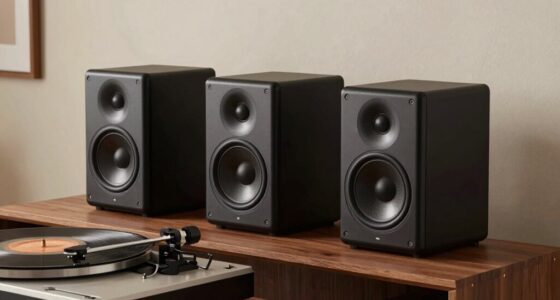
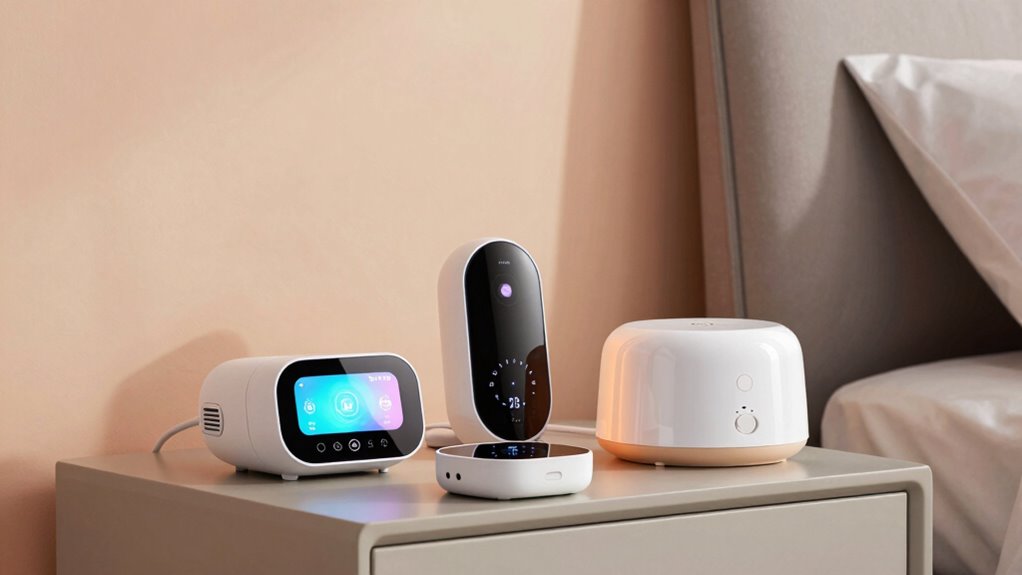
If you’re searching for a Hatch Restore 2 alternative, the best choice depends on whether you want a similar all-in-one sleep routine or a simpler sunrise alarm with sound. I’d start with the Hatch Restore 3 for the closest premium-style replacement, while the Reacher Sunrise Alarm Clock and Dreamegg Sunrise 2 stand out for combining wake-up lighting with sleep sounds. The main tradeoff is between a more integrated sleep experience and easier, more straightforward controls. Sound libraries, alarm flexibility, app or remote controls, and bedside space also separate these options. Read on for the full breakdown and a guide to choosing the right fit.

Get audio and creator gear delivered free with Prime
- Fast, free delivery on millions of items
- Prime Video, Amazon Music and more included
- Member-only deals all year
Complete the kit


Key Takeaways
- Hatch Restore 3 is the closest match for shoppers who want to stay within Hatch’s sleep-audio and circadian-lighting approach rather than switch to a basic alarm clock.
- The Reacher Sunrise Alarm Clock and Dreamegg Sunrise 2 are stronger alternatives for shoppers who want wake-up lighting and sound in one device without prioritizing the Hatch ecosystem.
- The roundup splits between routine-focused devices and clocks that emphasize multiple sounds, alarms, or lighting controls; decide which job matters most before comparing extras.
- Hotmoon Cocoon 2 takes a different route: its dual-speaker sound machine and 40 sounds favor nighttime audio over sunrise alarm features.
- Several listings promise broad feature sets—such as Bluetooth, remotes, timers, and dimmable lights—but a longer feature list does not automatically mean simpler everyday use.
| Hatch Restore 3 | Sleep Audio and Circadian Lighting |  | Best for Hatch Restore 2 Owners Seeking a Direct Upgrade | Device type: Sleep audio and circadian lighting device | Lighting: Customizable circadian lighting | Audio: Customizable sleep audio | VIEW ON AMAZON | See Our Full Breakdown |
| Sunrise Alarm Clock with Sound Machine, Gentle Wake Up Light for Bedroom |  | Best for Fine-Tuning a Gentle Sunrise | Sunrise duration: 10–60 minutes | Brightness levels: 13 | Volume levels: 32 | VIEW ON AMAZON | See Our Full Breakdown |
| Anweller Red Light Therapy Sleep Device with White Noise and App Control |  | Best Portable, App-Controlled Pick | Wavelengths: 600nm–690nm | White-noise tracks: 32 | Control: Smart app control | VIEW ON AMAZON | See Our Full Breakdown |
| Hotmoon Sound Machine for Sleep, Cocoon 2, 40 Sounds, Dual-Speaker, Plug-in |  | Best for Sound Variety and Room-Filling Audio | Sounds: 40, including fan, nature, lullabies, and ambient noises | Speakers: Dual speakers with passive radiator | Night lights: 8 colors | VIEW ON AMAZON | See Our Full Breakdown |
| Reacher Sunrise Alarm Clock with Night Light and Sleep Sounds |  | Best All-in-One Value in Features | Model: R7 | Number of sounds: 26 | Sleep timer: 5–180 minutes | VIEW ON AMAZON | See Our Full Breakdown |
| Odokee Sunrise Alarm Clock White Noise Machine: Natural Wake Up Light |  | Best for Simple, App-Free Control | Sunrise simulation: 5–60 minutes | Sound options: 25 calming sounds | Bluetooth: Yes; 5W stereo speaker | VIEW ON AMAZON | See Our Full Breakdown |
| Dreamegg Sunrise Alarm Clock, Natural Wake-up Light, White Noise Machine |  | Best Compact, Phone-Free Pick | Sleep sounds: 29 | Night-light colors: 9 | Night-light brightness: Adjustable | VIEW ON AMAZON | See Our Full Breakdown |
| Sunrise Alarm Clock with White Noise Machine, Dual Alarms, 17 Dimmable Lights, Bluetooth Speaker, Auto-Off Timer, Khaki |  | Best for Couples with Different Wake Times | Display type: Digital | Alarms: Dual alarms | Lighting: 17 dimmable lights | VIEW ON AMAZON | See Our Full Breakdown |
| Dreamegg Sunrise 2 Sunrise Alarm Clock with 29 Sounds |  | Best for Fine-Tuned Light and Sleep Timers | Sounds: 29 | Light colors: 10 | Brightness levels: 20 | VIEW ON AMAZON | See Our Full Breakdown |
| Sunrise Alarm Clock with Sound Machine, Bluetooth Speaker, Remote, Putty |  | Best for Remote-Control Convenience | Sleep timer: 5–90 minutes | Alarm tones: 40 adjustable tones | Light colors: 15 colors and 5 dynamic effects | VIEW ON AMAZON | See Our Full Breakdown |
More Details on Our Top Picks
Hatch Restore 3 | Sleep Audio and Circadian Lighting
For shoppers who want an alternative to the Hatch Restore 2 without giving up its combined sleep-light and audio approach, the Hatch Restore 3 is the closest match in this group. It pairs customizable sound and circadian lighting with a dimmable clock, so bedtime wind-down and morning cues can live in one bedside device. Compared with the Reacher R7, its appeal is the emphasis on personalized light-and-sound routines rather than a listed count of built-in sounds or alarm options. The tradeoff is that premium content requires a subscription, and the product data does not specify the sound library or light controls in detail. It is also a nighttime-focused device, not a general-purpose speaker, and setup may take more effort than a simpler sound machine.
Pros:- Combines customizable sleep audio and circadian lighting in one bedside device
- Dimmable clock supports a less disruptive bedroom setup
- Designed around repeatable bedtime and sleep habits
Cons:- Premium content requires a subscription
- Focused on nighttime use rather than broader everyday functions
- Setup may feel complex for buyers who want straightforward controls
Best for: Hatch Restore 2 owners who want a similar all-in-one sleep routine with customizable audio and circadian lighting.
Not ideal for: Buyers who want premium audio without an ongoing subscription, or those who prefer a simple, clearly specified sound machine.
- Device type:Sleep audio and circadian lighting device
- Lighting:Customizable circadian lighting
- Audio:Customizable sleep audio
- Clock:Dimmable clock
- Design:Sleep-friendly design
- Trial period:30 days
Our verdict“Choose the Restore 3 if you want the closest listed alternative to the Restore 2’s integrated light-and-audio routine and are comfortable with subscription-dependent content.”
Sunrise Alarm Clock with Sound Machine, Gentle Wake Up Light for Bedroom
This model is the strongest fit here for buyers who want control over how gradually and brightly they wake. Its 10–60 minute sunrise, 13 brightness levels, and 32 volume levels offer more specified adjustment than the Reacher R7, whose sunrise duration is adjustable but not detailed in the supplied specs. Ten white-noise choices and 20 nature sounds give it useful variety for both sleep masking and a softer morning routine. The tradeoff is a more conventional alarm-clock focus: unlike the Hatch Restore 3, it is not described as offering circadian lighting or a broader personalized sleep environment. Setup may also be fiddly, and speaker quality is a stated uncertainty, so sound-focused buyers may prefer a dedicated machine with dual speakers.
Pros:- Sunrise duration can be set from 10 to 60 minutes
- 13 brightness and 32 volume levels allow detailed adjustment
- Includes 30 sound options across white noise and nature sounds
- Sleep timer ranges from 30 to 480 minutes
Cons:- Setup may be complex for some buyers
- Sound quality depends on the speaker
- Designed primarily for bedroom use
Best for: Light sleepers and alarm-sensitive adults who want precise control over sunrise length, light brightness, and alarm volume.
Not ideal for: Buyers who prioritize richer speaker performance or want the more integrated sleep-routine approach described for the Hatch Restore 3.
- Sunrise duration:10–60 minutes
- Brightness levels:13
- Volume levels:32
- Sound options:10 white-noise sounds and 20 nature sounds
- Sleep timer:30–480 minutes
- Display dimmer:5 levels
Our verdict“Pick this clock if a highly adjustable sunrise and broad volume control matter more than premium speaker features or a richer sleep ecosystem.”
Anweller Red Light Therapy Sleep Device with White Noise and App Control
The Anweller takes a different route from the bedside-clock format of the Hatch Restore 3: it is a portable, rechargeable sleep device with app control, white noise, and red-light wavelengths. That makes it a better match for people who want to move a sleep aid between rooms or use Bluetooth playback, rather than rely on a fixed alarm-and-light setup. Its 32 white-noise tracks are also a clearer built-in sound offering than the Restore 3’s unspecified audio library. The tradeoff is that the full control experience depends on a smartphone, and the listed lighting is limited to red wavelengths from 600nm to 690nm—not the broader circadian-light setup described for Hatch. Battery life can vary with use, and the product data does not give a runtime.
Pros:- Portable design with USB-C rechargeable battery
- Includes 32 white-noise tracks
- App control supports customization
- Bluetooth playback adds a way to play personal audio
Cons:- Full control requires a smartphone
- Lighting is limited to the specified red-light wavelengths
- Battery life varies with use and no runtime is provided
Best for: People who want a compact, rechargeable white-noise device with app customization and Bluetooth playback for use in more than one location.
Not ideal for: Buyers who want a sunrise alarm, bedside clock, or broader lighting options without depending on a smartphone.
- Wavelengths:600nm–690nm
- White-noise tracks:32
- Control:Smart app control
- Battery:USB-C rechargeable
- Portability:Lightweight and portable
- Audio playback:Bluetooth playback
Our verdict“Choose Anweller for portable, app-controlled sound and red light; skip it if your Hatch Restore 2 alternative needs a sunrise alarm or a conventional bedside clock.”
Hotmoon Sound Machine for Sleep, Cocoon 2, 40 Sounds, Dual-Speaker, Plug-in
The Cocoon 2 makes the most sense when sound masking is the main reason you are seeking a Hatch Restore 2 alternative. Its 40 tracks span fan sounds, nature, lullabies, and ambient noise, while dual speakers and a passive radiator are intended to give audio more body than the speaker-dependent Sunrise Alarm Clock with Sound Machine. Eight night-light colors add a bedside glow, but this is not a sunrise alarm or a full circadian-light routine like the Hatch Restore 3. Controls are described as one-touch, which may suit buyers who do not want app-based setup; still, 40 choices can feel like excess rather than a benefit. It also requires continuous plug-in power, and the adapter is not included.
Pros:- Offers 40 sounds across fan, nature, lullaby, and ambient categories
- Dual speakers and passive radiator are designed for richer audio
- Eight night-light colors provide bedside lighting choices
- Includes 45-minute, 90-minute, 8-hour, and continuous timer options
Cons:- Power adapter is not included
- Plug-in only, with no battery option
- Large sound selection may make choosing a track less straightforward
Best for: Sleepers who want a wide selection of masking sounds, stronger speaker hardware, and a simple plug-in machine for one bedside location.
Not ideal for: People who need a sunrise alarm, battery-powered portability, or a complete alarm-and-light routine in one device.
- Sounds:40, including fan, nature, lullabies, and ambient noises
- Speakers:Dual speakers with passive radiator
- Night lights:8 colors
- Timers:45 minutes, 90 minutes, 8 hours, or continuous
- Volume levels:32
- Power:Plug-in only; 4.9-foot power cord; adapter not included
Our verdict“Choose the Cocoon 2 if sound variety and dual-speaker playback outrank sunrise waking, app control, or portability.”
Reacher Sunrise Alarm Clock with Night Light and Sleep Sounds
The Reacher R7 is a practical middle ground for shoppers who want the Hatch Restore 2 concept—light, sound, and a clock together—without the Restore 3’s stated subscription requirement for premium content. It combines an adjustable sunrise alarm, 26 sleep sounds, a dimmable night light, and eight alarm sounds or a mute setting. Compared with the Sunrise Alarm Clock with Sound Machine, it lists fewer sound choices, but its 0–100% clock dimming gives buyers a clear way to reduce nighttime display light. Its compact 6.7-inch width also suits a crowded bedside table. The compromises are a corded power connection and no stated battery backup for alarms; buyers seeking richer audio or more sleep tracks may prefer the Hotmoon Cocoon 2, though that model has no sunrise alarm.
Pros:- Combines sunrise alarm, sound machine, and dimmable night light
- Offers 26 sleep sounds and eight alarm sounds, with a mute option
- Clock brightness adjusts from 0–100%
- Compact listed dimensions suit smaller bedside tables
Cons:- Requires corded power, with no alarm battery backup specified
- Has fewer sleep sounds than the Sunrise Alarm Clock with Sound Machine
- No speaker details are provided for buyers focused on audio quality
Best for: Budget-minded bedside users who want a sunrise alarm, night light, and sleep sounds in one compact clock, without relying on a premium-content subscription.
Not ideal for: Buyers who need battery-backed alarms, a large sound library, or a dedicated sound machine with dual speakers.
- Model:R7
- Number of sounds:26
- Sleep timer:5–180 minutes
- Sunrise duration:Adjustable
- Alarm sounds:8 options or mute
- Dimmable clock:0–100%
- Power source:Corded electric
- Dimensions:6.7 × 2.7 × 6 inches
- Weight:13.44 ounces
Our verdict“Pick the R7 if you want a compact, multi-function sunrise clock with sound and light, but look elsewhere for battery backup or a larger audio selection.”
Odokee Sunrise Alarm Clock White Noise Machine: Natural Wake Up Light
The Odokee makes a strong Hatch Restore 2 alternative for someone who wants sunrise lighting and sleep audio without managing an app. Its sunrise duration adjusts from 5 to 60 minutes, while physical buttons and dials keep everyday changes on the device. Compared with the Dreamegg Sunrise 2, which offers a longer sleep timer and more brightness steps, the Odokee puts more emphasis on Bluetooth playback and straightforward bedside controls.
Its 25 sounds, three wake-up modes, and 12-color light give it useful flexibility, but the lack of app control limits remote adjustments and deeper routine customization. Choose it if you prefer tactile controls and want to stream your own audio; skip it if phone-based scheduling is part of what you value in the Hatch.
Pros:- Sunrise duration can be adjusted from 5 to 60 minutes
- Bluetooth speaker supports streaming music and podcasts
- Offers 25 calming sounds and 12 night-light colors
- Physical buttons and dials allow phone-free operation
Cons:- No app for remote control or advanced routine customization
- Physical controls may feel less convenient for users who prefer touchscreen or phone controls
Best for: People who want a customizable sunrise alarm, Bluetooth audio, and physical controls without using a phone app
Not ideal for: Buyers who want app-based routines, remote adjustments, or smart-home integration
- Sunrise simulation:5–60 minutes
- Sound options:25 calming sounds
- Bluetooth:Yes; 5W stereo speaker
- Night-light colors:12
- Alarm sounds:7
- Display:Full-range dimmer
- Wake-up modes:Light and sound, alarm only, or sunrise light without sound
- Controls:Physical buttons and dials; no app required
Our verdict“Choose the Odokee if you want a phone-free sunrise alarm with Bluetooth audio, but look elsewhere for app-driven routines.”
Dreamegg Sunrise Alarm Clock, Natural Wake-up Light, White Noise Machine
The Dreamegg is a Hatch Restore 2 alternative for buyers who want a compact bedside setup rather than an app-centered sleep system. Its hand-sized design and phone-free setup make it easy to place on a crowded nightstand or pack for a trip. It also offers 29 soothing sounds, more than the Odokee’s 25, including noise varieties, lullabies, and meditations for different sleep preferences.
Compared with the Dreamegg Sunrise 2, this model’s listed strengths are its portable size and cotton-linen fabric, while the Sunrise 2 spells out more granular brightness and timer controls. This pick keeps operation simple, but it is still a bedside device: there is no smart-home integration or app control, and it is not a substitute for a multi-room speaker.
Pros:- Hand-sized, portable form suits compact nightstands and travel
- Includes 29 soothing sounds across several types
- Phone-free setup is handled directly on the device
- Adjustable, multicolor night light supports different bedside preferences
Cons:- No app control or smart-home integration
- Designed for bedside use rather than multi-room audio
- Listed specs do not provide detailed sunrise timing or timer ranges
Best for: Travelers and people with small nightstands who want a portable, phone-free sunrise alarm and sound machine
Not ideal for: Buyers seeking app control, smart-home features, or audio that fills multiple rooms
- Sleep sounds:29
- Night-light colors:9
- Night-light brightness:Adjustable
- Setup:Phone-free; configured on the device
- Material:Cotton-linen fabric
- Size:Hand-sized and portable
- Smart-home integration:None listed
Our verdict“Pick this Dreamegg for a portable, simple bedside routine; choose the Dreamegg Sunrise 2 if detailed timer and brightness specifications matter more.”
Sunrise Alarm Clock with White Noise Machine, Dual Alarms, 17 Dimmable Lights, Bluetooth Speaker, Auto-Off Timer, Khaki
Dual alarms give this Geuuap a clear use case as a Hatch Restore 2 alternative for couples or households with different schedules. It pairs sunrise simulation and customizable lighting with Bluetooth audio, so the device can serve as both a wake-up light and a personal playback source. Compared with the Odokee Sunrise Alarm Clock, its standout scheduling feature is the second alarm; the Odokee instead offers a stated range for sunrise duration and physical controls without an app.
The tradeoff is functional: the supplied product details say the white-noise and sunrise features cannot run at the same time, which narrows its usefulness for people who want sound throughout a light-based wake-up. Its alarms also cannot be assigned to selected days, and backup power retains settings but will not sound the alarm during an outage. Those limitations matter more than its broad lighting options for routine-heavy sleepers.
Pros:- Dual alarms support different wake times
- Bluetooth connectivity supports music and audio playback
- Customizable light and sound options allow bedside adjustment
- Tabletop design and adjustable brightness suit bedroom use
Cons:- White-noise and sunrise features cannot operate simultaneously
- Alarms cannot be scheduled for specific days only
- Backup battery retains settings but does not sound the alarm during a power outage
Best for: Couples or families who need two alarm settings and want sunrise lighting with Bluetooth playback
Not ideal for: People who need noise playback during sunrise, weekday-specific alarms, or an alarm that sounds during a power outage
- Display type:Digital
- Alarms:Dual alarms
- Lighting:17 dimmable lights
- Connectivity:Bluetooth and USB-C
- Power source:Corded electric
- Dimensions:6.5 in W × 6.23 in H
- Material:ABS
- Mounting:Tabletop
Our verdict“Choose the Geuuap when separate alarm times are the priority, but skip it if you need sound and sunrise light to work together.”
Dreamegg Sunrise 2 Sunrise Alarm Clock with 29 Sounds
The Dreamegg Sunrise 2 is a good Hatch Restore 2 alternative for sleepers who want more control over bedside light and sound settings without a phone app. Its 20 brightness levels, five display settings, and timer range of 5 to 180 minutes give it a more clearly specified adjustment range than the compact Dreamegg Sunrise Alarm Clock. The 29 sounds and one-tap favorites mode also make it easier to return to a preferred sleep setting.
Compared with the Odokee Sunrise Alarm Clock, this model emphasizes lighting granularity and a longer timer rather than Bluetooth streaming, which is not listed in its supplied specs. That makes the choice straightforward: I’d favor the Sunrise 2 for a tailored bedside wind-down, but not for streaming personal audio or controlling routines remotely. It also lacks smart-home integration and is intended for bedside use.
Pros:- Twenty brightness levels allow fine adjustment of the light
- Timer range extends from 5 to 180 minutes
- Offers 29 sounds and a one-tap favorites mode
- No app or subscription is required
Cons:- No mobile app or remote control is listed
- No smart-home integration is listed
- Bluetooth streaming is not listed in the supplied specs
Best for: Sleepers who want many brightness and color adjustments plus a long, configurable sound timer without an app
Not ideal for: Buyers who want Bluetooth streaming, app-based remote control, or smart-home integration
- Sounds:29
- Light colors:10
- Brightness levels:20
- Timer range:5–180 minutes
- Display brightness settings:5
- Favorites mode:One-tap
- App or subscription:Neither required
Our verdict“Choose the Sunrise 2 for detailed bedside light and timer control, but pick the Odokee if Bluetooth audio is more important.”
Sunrise Alarm Clock with Sound Machine, Bluetooth Speaker, Remote, Putty
This sunrise clock stands out as a Hatch Restore 2 alternative for someone who wants to adjust a bedside device without reaching for its controls. The included remote works alongside physical controls, while 20 brightness levels, 15 colors, and 16 volume levels offer more stated adjustment steps than the Geuuap’s listed details. Its 40 adjustable alarm tones also provide a broader alarm selection than the Odokee’s seven.
Dual alarms and Bluetooth add flexibility, but the remote is not a substitute for app control: there is no mobile app, and setup may feel complicated for buyers who want a minimal routine. Compared with the Dreamegg Sunrise 2, this pick favors remote operation, Bluetooth, and alarm-tone variety; the Dreamegg provides a longer specified timer. Choose this model for accessible controls and customization, not connected sleep routines.
Pros:- Remote control allows adjustments without reaching the clock
- Dual alarms support separate wake schedules
- Offers 40 adjustable alarm tones and 16 volume levels
- Bluetooth and 15 light colors expand playback and lighting options
Cons:- No mobile app control
- Setup may be complex for users seeking a straightforward device
- Sleep timer is limited to 5–90 minutes
Best for: People who want to change light, sound, or alarm settings from across the room and need dual alarms
Not ideal for: Buyers who expect app control, remote routine scheduling, or the simplest possible setup
- Sleep timer:5–90 minutes
- Alarm tones:40 adjustable tones
- Light colors:15 colors and 5 dynamic effects
- Brightness levels:20
- Volume levels:16
- Alarms:Dual alarms
- Remote control:Yes
- Bluetooth:Yes
Our verdict“Choose this model if remote operation and extensive alarm choices matter more than app-based control or a longer timer.”

How We Picked
I ranked these Hatch Restore 2 alternatives by how well they can replace its core bedside role: supporting a wind-down routine, providing sleep audio, and making waking less abrupt with light. I also weighed usability, the balance between controls and features, and whether a product’s design appears suited to a clear buyer need. The Hatch Restore 3 leads for shoppers seeking the closest family resemblance; sunrise clocks rank well when they offer a useful mix of light and sound, while a sound-focused machine sits lower for buyers who need a dawn alarm.
Product details supplied for this comparison vary in depth, so I did not treat every advertised feature as proof of better performance. I gave more weight to a coherent use case than to a long feature list, and separated dedicated sound machines from multifunction clocks rather than treating them as interchangeable. Where listings do not specify details such as app requirements, sound controls, or light behavior, check the current product information before choosing.
Factors to Consider When Choosing Hatch Restore 2 Alternative
Before choosing a Hatch Restore 2 alternative, decide which part of your current routine you most want to replace. A wake-up light, dependable sleep audio, and guided bedtime controls are related features, but one device may not handle all three equally well. These broader checks can help prevent paying for extras you will rarely use—or choosing a simpler clock that misses the feature you rely on.
Choose the Main Job First
Start by naming the one task you want the bedside device to handle: waking with light, masking room noise, or guiding a bedtime routine. Many sunrise clocks combine light and audio, but that does not mean they offer the same kind of routine support as a dedicated sleep product. A common mistake is choosing by feature count before deciding which task needs to work reliably every day. If audio is your priority, a sound machine such as the Hotmoon may fit better than a clock with many lighting modes. If waking gently matters most, prioritize a sunrise alarm and check how its light and alarm work together. Choose a multifunction model only when you expect to use its extras.
Check How Much Control You Want
Controls shape whether a device feels easy to use half-awake. App control can allow more detailed setup, while physical buttons or a remote may be simpler when you do not want to reach for a phone. Neither approach is automatically better: app-based features may depend on setup and connectivity, while device controls can be less convenient for changing schedules from bed. Before buying, look for clear information about setting alarms, changing sounds, and adjusting brightness. Avoid assuming that a product with an app or remote supports every control you expect. The right choice is the one you can operate without adding friction to your routine.
Match the Light to Your Bedroom
A sunrise alarm is only useful if its light suits your room and sleeping habits. Consider where the device will sit, whether the display or night light could bother a light-sensitive sleeper, and whether brightness can be adjusted. More lighting options can help accommodate different needs, but they can also add setup choices that a basic clock avoids. Check product details for dimming behavior and how the light functions at bedtime and wake-up time rather than relying on the phrase “sunrise alarm” alone. If you share a room, account for how the wake-up light may affect the other person. A sound-focused machine may be a better fit when light is unwelcome.
Think About Sound Variety and Use
Sound counts are only a rough guide to whether a machine will suit you. The sounds themselves, how easily you can select them, and whether the device supports your preferred bedtime routine matter more than a large number on the box. Decide whether you need steady noise for masking disruptions, varied nature sounds, or audio used alongside a gradual wake-up. A device with Bluetooth may add playback options, but it is not a substitute for checking its built-in sound choices and controls. If you already rely on a particular audio source, confirm compatibility instead of assuming it will work. More options help only when they are accessible and relevant to your habits.
Plan for Alarms, Schedules, and Shared Use
For couples, shift workers, or households with different wake times, alarm flexibility can matter more than extra sound modes. Check whether the product supports the number of alarms you need and whether schedules can be adjusted without resetting the rest of the device. A listing that mentions dual alarms is a useful starting point, but look for details on how those alarms are configured and distinguished. Shared use can also make easy-to-understand buttons or a remote more appealing than controls tied to one person’s phone. If only one person will use the device, a simpler setup may be preferable. Make your schedule needs explicit before comparing models.
Decide When a Premium-Style Option Is Worth It
Paying for a more integrated sleep device makes sense when its routine and lighting features replace tools you already use. If you mainly want a bedside sound source or a gradual alarm, a simpler clock may meet that need with fewer settings. Avoid paying for connectivity, multiple modes, or a larger sound library simply because they appear on a feature list. Instead, map each advertised function to a habit you expect to keep. Also check whether key functions require an app or account, since that can affect long-term convenience. The best value is the device whose useful features you will actually use, not the one with the longest list.
Frequently Asked Questions
Which option is closest to the Hatch Restore 2 experience?
The Hatch Restore 3 is the closest choice in this lineup by product family and its focus on sleep audio and circadian lighting. That makes it the natural starting point if you want a similar style of bedtime and wake-up experience. The sunrise clocks from Reacher and Dreamegg combine light and sound, but they are better treated as alternatives with a different emphasis rather than direct equivalents. Compare the exact features and control requirements for the current models before switching. If your main need is only audio or a gradual alarm, you may not need the closest all-in-one match.
Can a sunrise alarm clock replace a sound machine?
It can, if the clock provides sounds that suit your sleep routine and lets you use them in the way you need. A combined sunrise clock may be a practical choice when you want fewer devices on the nightstand. A dedicated sound machine such as the Hotmoon Cocoon 2 is more clearly aimed at nighttime audio, so it may be a better fit when sound is the main priority. Check whether sounds can run with the light off and whether the controls support your preferred schedule. Do not assume every model handles audio and alarms in the same way.
Do I need app control to get a useful alternative?
No. App control may help with setup or adjusting features, but it is not required for a sunrise light or sound machine to be useful. If you prefer to keep your phone out of the bedroom, look for clear physical controls or a remote and confirm which settings they can change. If you want more detailed customization, an app-based option may be more appealing, provided you are comfortable with its setup. Product listings can vary on what works without an app, so verify that before choosing. Base the decision on your preferred daily controls, not on connectivity alone.
What should I choose if I need two different wake-up schedules?
Start with products that explicitly list dual alarms, then check how the schedules are set and whether each can be changed independently. The listing for one sunrise clock in this roundup specifically mentions dual alarms, but that label alone does not explain every scheduling detail. If two people share the device, ease of identifying and editing each alarm matters as much as the number supported. For a single sleeper with one consistent schedule, extra alarms may add little value. Confirm the setup process in the current product information before relying on it for different workdays or wake times.
When should I choose a dedicated sound machine instead of a sunrise clock?
Choose a dedicated sound machine when masking noise or playing sleep audio is more important than waking with light. The Hotmoon Cocoon 2 is the clearest audio-first option here, with a dual-speaker design and a listed set of 40 sounds. A sunrise clock is a better fit if a gradual light-based wake-up is part of the reason you are replacing the Hatch Restore 2. If you want both, compare how each model handles audio and light separately rather than assuming the combined device will be equally strong at both jobs. Room brightness, sound preferences, and the number of alarms you need can settle the choice.
Conclusion
For the closest premium-style replacement, I’d choose the Hatch Restore 3; it is the best overall fit for shoppers who want sleep audio paired with circadian lighting. For a value-minded buyer who wants the central sunrise-clock idea without prioritizing the Hatch family, compare the Reacher Sunrise Alarm Clock and Dreamegg Sunrise 2 around the controls and sound options you will actually use. Beginners who want a straightforward combination of light and sleep sounds should start with a sunrise clock rather than a device chosen for a long feature list. For audio-first needs, the Hotmoon Cocoon 2 is the specific pick; shoppers seeking app control can look at the Anweller device. The premium recommendation is Hatch Restore 3, while the best choice for a specific routine depends on whether light, sound, or schedule flexibility matters most to you.