
To avoid split seams, make certain your outer sleeve fits well—neither too tight nor too loose. Choose a sleeve length that extends comfortably past your wrist without bunching and pick a fabric that moves with you. Check how your sleeve responds during arm movement; if it pulls or feels tight, adjust the size or fabric choice. Proper fitting ensures even tension and durability, so stay with us to discover the simple trick that takes this to the next level.

Get audio and creator gear delivered free — and shop member deals
- Fast, free delivery on millions of items
- Access to Prime Big Deal Days deals on October 6–7
- Prime Video, Amazon Music and more included
Key Takeaways
- Ensure sleeves extend past the wrist comfortably without excess fabric to prevent bunching and tension.
- Check for fabric pulling or seam strain during arm movements to confirm proper fit.
- Choose a size that balances snugness with freedom of movement for durability and comfort.
- Match sleeve length with fabric flexibility to avoid stress and potential split seams.
- Prioritize a proper fit that evenly distributes tension and allows natural arm motion.

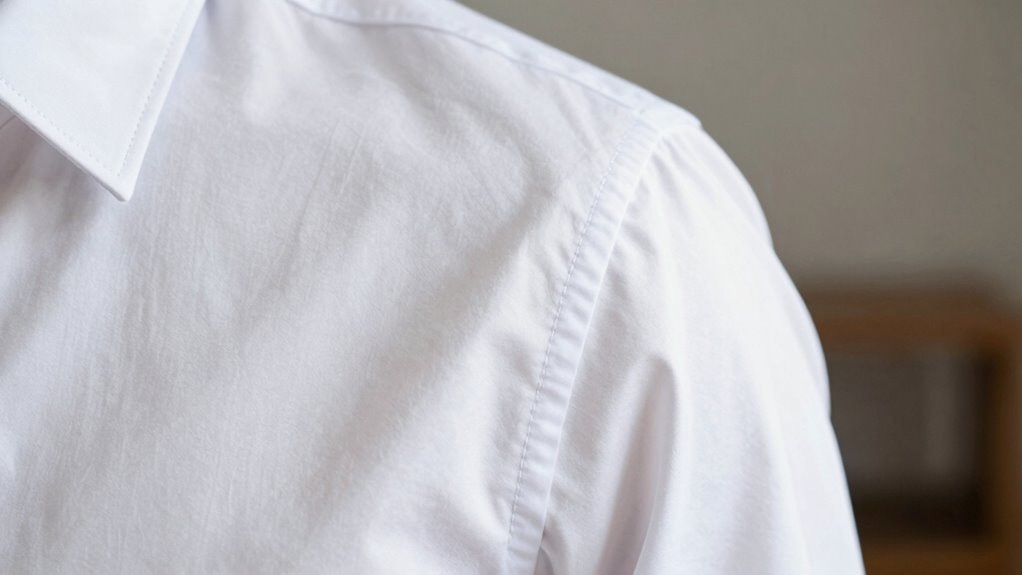
When it comes to choosing the right outer sleeve fit, getting the size just right can make all the difference in comfort and performance. The key factors to consider are fabric choice and sleeve length. Your fabric selection impacts not only durability but also how well the sleeve moves with you. Lightweight, stretchy fabrics can offer flexibility and comfort, reducing strain that might lead to split seams. Conversely, heavier fabrics might provide more protection but can restrict movement if not properly fitted. It’s imperative to match your fabric choice to your activity and climate to prevent unnecessary stress on the seams. Additionally, understanding how the fit influences durability can help you select the best sleeve for your needs. Sleeve length plays a vital role in achieving a perfect fit. Too long, and the excess fabric can bunch up, causing tension that might eventually rip seams apart. Too short, and you risk restricting movement or exposing parts that should be covered, especially in outdoor settings. When trying on outer sleeves, ensure they extend comfortably past your wrist without dragging or feeling tight. Proper sleeve length allows for full range of motion while maintaining a clean, tailored look. Remember, the right length also helps distribute tension evenly across the fabric and seams, reducing the likelihood of splits. Choosing the correct fit isn’t just about size; it’s about understanding how fabric and sleeve length work together. A snug fit with flexible fabric can prevent excess movement that weakens seams, while too tight can cut off circulation and cause discomfort. On the other hand, a loose fit, especially with stiff fabrics, can lead to unnecessary stress on the seams as they slide and stretch during activity. Therefore, finding a balance between these elements is vital for durability and comfort. When trying on outer sleeves, move your arms naturally to see how the fabric responds. If the fabric pulls or the seams strain, it’s a sign that the fit isn’t quite right.
stretchable outer sleeve for jackets
As an affiliate, we earn on qualifying purchases.
As an affiliate, we earn on qualifying purchases.
Frequently Asked Questions
How Do I Know if My Outer Sleeve Fits Properly?
You’ll know your outer sleeve fits properly if you measure your sleeve length from shoulder to wrist, ensuring it hits at your wrist bone. Check the fabric stretch; it should allow comfortable movement without feeling tight or too loose. When you wear the garment, the sleeve seam should sit smoothly at your shoulder without pulling or bunching. If these conditions are met, your outer sleeve fits well.
Can I Alter the Sleeve Fit Myself?
A stitch in time saves nine, so yes, you can alter the sleeve fit yourself. To tailor sleeve length, carefully shorten or lengthen using a sewing kit, and for tailoring sleeve width, take in or let out seams gradually. With patience and a steady hand, you can improve your outer sleeve fit without professional help, ensuring your garment moves comfortably and looks sharp. Just remember: measure twice, cut once.
What Fabrics Are Most Prone to Seam Splits?
Fabrics prone to seam splits often include lightweight, stretchy materials like jersey, knit, or thin cotton, which can stretch out over time. To prevent this, you should focus on seam reinforcement, especially at stress points, and avoid excessive fabric stretching during wear. Reinforcing seams with stronger stitches or additional stitching helps maintain durability. Being mindful of fabric tension and adding extra seam reinforcement can markedly reduce the risk of split seams.
How Often Should I Check Sleeve Fit During Wear?
Imagine your sleeve length as a gentle breeze, and fabric stretching as the tide rising. You should verify your sleeve fit every few hours during wear to catch any signs of tightness or pulling. As your day progresses, fabric may stretch slightly, so adjusting the fit early prevents split seams. Regular checks help maintain comfort and ensure your outer sleeve stays smooth and intact, avoiding unwanted splits.
Are There Specific Brands Known for Better Sleeve Durability?
You should look for brands with a strong reputation for quality and durability, like Carhartt, Carhartt WIP, or Filson. These brands use high-quality materials that resist wear and tear, especially around the sleeves. Checking reviews and product descriptions helps confirm their sleeve durability. Investing in reputable brands guarantees your outer sleeve stays intact longer, saving you money and effort in the long run.
As an affiliate, we earn on qualifying purchases.
Conclusion
So, there you have it—master the perfect outer sleeve fit, and you’ll never have to suffer through embarrassing split seams again. Who knew that a simple trick could save your wardrobe from disaster? Now, go ahead, flaunt that flawless fit and let your clothes do all the talking—without the drama of rips and tears. After all, isn’t life too short to deal with split seams when a little fit finesse can save the day?
As an affiliate, we earn on qualifying purchases.
adjustable sleeve cuffs for outdoor wear
As an affiliate, we earn on qualifying purchases.
As an affiliate, we earn on qualifying purchases.
Fall Picks
fall essentials
As an affiliate, we earn on qualifying purchases.