To spot a bootleg record, listen for muffled or inconsistent sound quality, which often indicates poor pressing. Check the packaging for blurry images, uneven colors, misspellings, or amateurish design. Look for irregularities in label details and unseen markings, like missing barcodes or serial numbers. Trust reputable sources and compare the record to official versions online. If you want to uncover more red flags, keep exploring the key signs above.
Key Takeaways
- Check for inconsistent sound quality, such as muffled audio, surface noise, or volume fluctuations.
- Examine the packaging for blurry images, poor printing, or washed-out colors.
- Verify label details and matrix numbers against official pressings or trusted sources.
- Look for missing barcodes, serial numbers, or foreign language text not present on authentic releases.
- Purchase from reputable dealers and compare the record’s details with verified images or collector references.
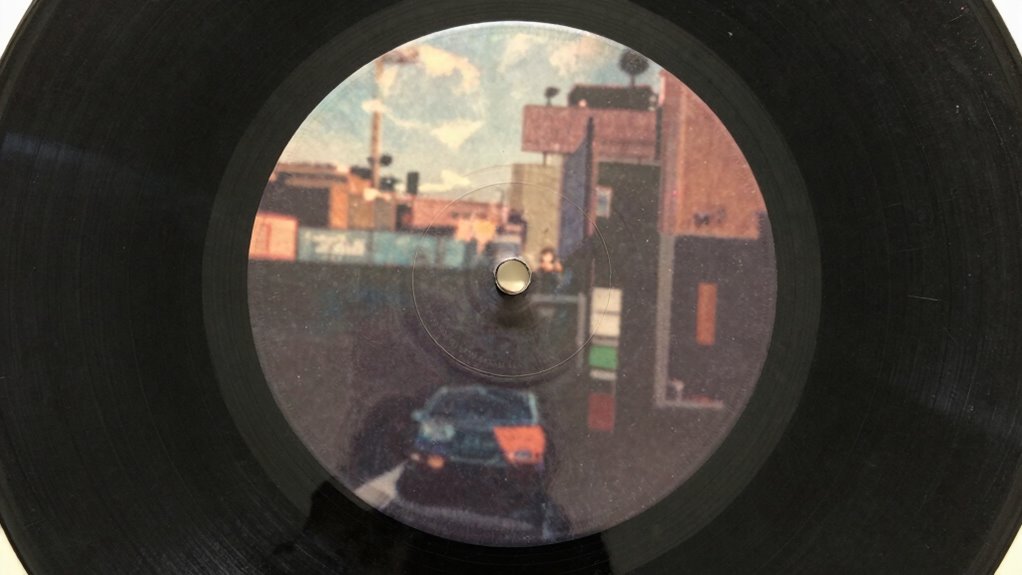
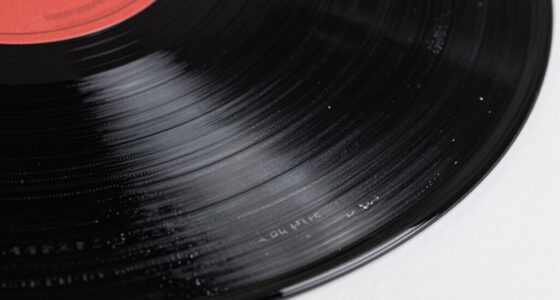
If you’re a record collector, learning how to identify a bootleg record is essential to protecting your collection. Bootlegs are unofficial recordings that often slip past collectors unaware, and spotting them can save you from paying top dollar for a fake or low-quality pressing. One of the easiest ways to spot a bootleg is by paying close attention to sound quality. Authentic records from reputable sources usually have clear, balanced audio without distortions or unexpected surface noise. If you notice a record sounds muffled, crackly, or has inconsistent volume levels, it might be a bootleg. These issues often stem from inferior recording or pressing methods used in unofficial copies. Keep an ear out for audio inconsistencies that seem out of place compared to official releases, which tend to have meticulous mastering. Additionally, understanding the typical characteristics of official releases can help you distinguish genuine records from counterfeit or bootleg copies.
Authentic records have clear, balanced sound; muffled or crackly audio indicates a possible bootleg.
Another key indicator is packaging design. Official records typically feature high-quality packaging with sharp, well-printed artwork, and precise text. Bootlegs, on the other hand, often have noticeable flaws such as blurry images, misspellings, or uneven printing. The colors may appear washed out or inconsistent, and the overall design might look rushed or amateurish. Sometimes, the artwork is a poor reproduction of the original, with pixelation or incorrect fonts. Additionally, examine the record label or center label for irregularities. Authentic releases usually have standardized label designs, while bootlegs might show mismatched fonts, misspelled names, or missing information. If the packaging lacks a barcode, serial numbers, or includes unusual or foreign language text that doesn’t match the original, these are red flags.
Pay attention to details like the record’s matrix numbers and run-out grooves. Authentic records often have unique identifiers etched into the vinyl, which can be cross-referenced with official pressings. Bootlegs may have generic or inconsistent markings. Also, consider the seller or source. Reputable shops and trusted online dealers are less likely to sell bootlegs, whereas unfamiliar or suspicious sources should raise your caution. Always compare the record in question to verified images of the official release. When in doubt, research the specific pressing, consult collector forums, or ask seasoned collectors for their opinion. Remember that Glycolic acid benefits in skincare are unrelated, but staying informed enhances your overall knowledge base.
In the end, combining your sense of sound quality, careful examination of packaging design, and attention to detail will help you confidently identify bootlegs. Protecting your collection means knowing what to look for and not settling for less-than-authentic records. With practice, you’ll become more adept at spotting these red flags and ensuring your collection remains authentic and valuable.

Douk Audio Vacuum Tube Preamp: Headphone Amp with VU Meter, 4-Way RCA Selector Switch Box, Preamplifier with Tone Control for Receivers, Amplifiers, Speakers, 16-600Ω Headphones (TUBE-T5C)
Tube Preamp with 4-Way RCA Selector & Splitter: Seamlessly manage up to 4 high-fidelity audio sources (CD players,...
As an affiliate, we earn on qualifying purchases.
Frequently Asked Questions
Can I Legally Sell Bootleg Records?
You generally can’t legally sell bootleg records because of legal considerations and resale restrictions. These recordings often violate copyright laws, and selling them can lead to lawsuits or fines. Even if you own a bootleg, reselling it may infringe on intellectual property rights. To stay safe, always verify the legality before resale, and consider selling only authorized, official records to avoid legal issues.
Are All Low-Priced Records Fake or Just Some?
Not all low-priced records are fake, but many are part of the counterfeit market. Sellers often use pricing strategies to attract buyers, making it seem like a great deal. You should be cautious because genuine records can also be affordable, especially in sales or used shops. Always compare prices, check for red flags, and trust your instincts. Being informed helps you avoid counterfeit records and get real value for your money.
How Can I Verify the Authenticity of a Rare Record?
Did you know that over 10% of rare records are counterfeit? To verify authenticity, look for clear authenticity markers like consistent label fonts, correct catalog numbers, and proper embossing. Use provenance verification by checking the record’s history or origin through trusted sources. Comparing it with verified copies helps spot discrepancies. Trust your instincts and consult experts if you’re unsure—these steps can confirm if a rare record is genuine.
Do Bootleg Records Ever Increase in Value?
Bootleg records generally don’t increase in value; they often remain low due to their counterfeit market nature. While some rare, well-preserved bootlegs might fetch higher prices temporarily, true valuation trends favor authentic pressings. You should be cautious, as the market’s perception of bootlegs can fluctuate, but in most cases, their worth stays limited. Authenticity remains key to ensuring a record’s long-term value and appeal.
What Are the Best Resources to Identify Genuine Vinyls?
Think of authenticity verification as a treasure map guiding you through rare vinyl sources. To find genuine records, use reputable websites like Discogs and Vinyl Collective, which act as your trusted compass. Consult expert forums, auction houses, and collector communities to verify authenticity. These resources help you distinguish real gems from imitations, ensuring your collection remains authentic and valuable, much like uncovering hidden treasure in a vast vinyl landscape.

Douk Audio T9 Vacuum Tube Phono Preamp Stereo Turntable Preamplifier with Headphone Output and Treble Bass Control for MM/MC Record Player, Home Hi-Fi Audio, Amplifier, Speaker
Authentic Vintage Sound Experience: Elevate your music listening with the Douk Audio T9, featuring two 6E2 vacuum tubes...
As an affiliate, we earn on qualifying purchases.
Conclusion
Knowing how to spot a bootleg record helps protect your collection and supports artists. Remember, over 30% of vinyls sold online are counterfeit, so stay vigilant. Look for poor-quality printing, misspellings, and unusual pricing. By paying close attention, you ensure you’re getting authentic music and avoid wasting your money. Keep these red flags in mind, and you’ll confidently navigate the vinyl world, safeguarding your collection from shady copies.

Dayton Audio HTA20 Integrated Stereo Hybrid Hi-Fi Vacuum Tube Class A/B Amplifier 20 Watts RMS with Subwoofer Output, Headphone Output, Bluetooth 5.0 and USB DAC (HTA20)
BEAUTIFUL: You will love this amplifier: Classic front panel VU meters, sleek modernized vintage aesthetic and the warm...
As an affiliate, we earn on qualifying purchases.

Juson Audio JTA100 2025 Version 200W Vacuum Tube Amplifier Integrated Hybrid with BT 5.0 Optical AUX RCA Phono Input and Headphone Output 2.1CH Class AB HiFi Home Audio for Turntable
Powerful Output: With an impressive 200Watts RMS output, the Juson Audio tube amplifier provides a vibrant and captivating...
As an affiliate, we earn on qualifying purchases.