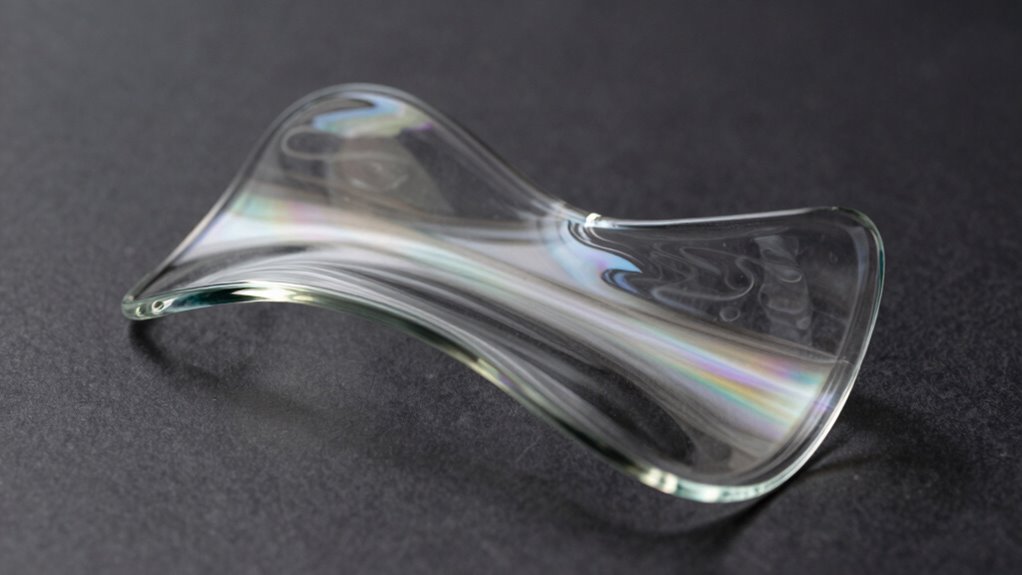

Warped means your materials, like wood or plastic, bend, twist, or bow out of shape. It happens mainly due to uneven moisture levels or temperature changes causing parts to swell, shrink, or respond differently. To prevent warping, you should control humidity, store materials properly, and treat surfaces with sealants. If you’re curious about more ways to stop or fix warping, there’s a lot to learn about protecting your projects and restoring damaged items.
Key Takeaways
- Warping is the deformation of materials like wood or plastic caused by uneven moisture absorption or temperature changes.
- It occurs when parts swell or shrink unevenly due to moisture imbalance, leading to bending, twisting, or curling.
- Factors such as grain orientation, material elasticity, and environmental conditions influence the likelihood and speed of warping.
- Preventative measures include sealing surfaces, storing materials properly, and maintaining stable humidity and temperature levels.
- Minor warps can often be fixed by sanding, heating, or clamping, while severe cases may require professional restoration.
Thompson's WaterSeal Clear Wood Sealer, Clear, 1 Gallon
Helps Prevent Water Damage
As an affiliate, we earn on qualifying purchases.
As an affiliate, we earn on qualifying purchases.
What Is Warping and Why Does It Happen?

Have you ever noticed a piece of wood or plastic bending or twisting out of shape? That’s warping. It happens when there’s a moisture imbalance within the material, causing uneven expansion or contraction. This uneven change leads to material deformation, where the structure no longer remains flat or straight. In wood, for example, excessive moisture causes certain areas to swell while others stay the same, resulting in bending or twisting. Plastic can also warp when exposed to moisture or heat. Warping isn’t just about appearance; it can weaken the material and compromise its function. Understanding that moisture imbalance triggers these changes helps you recognize why warping occurs and emphasizes the importance of controlling environmental factors to prevent it. European cloud innovation plays a role in developing sustainable solutions that can help monitor and regulate environmental conditions to reduce warping risks.

Inkbird Humidity Controller IHC200 Humidistat Mushroom Greenhouse Pre Wired Outlet Dual Stage Humidifier Dehumidifier.
The humidity controller ranges from 5 to 99.99% RH
As an affiliate, we earn on qualifying purchases.
As an affiliate, we earn on qualifying purchases.
What Causes Warping in Wood and Other Materials?
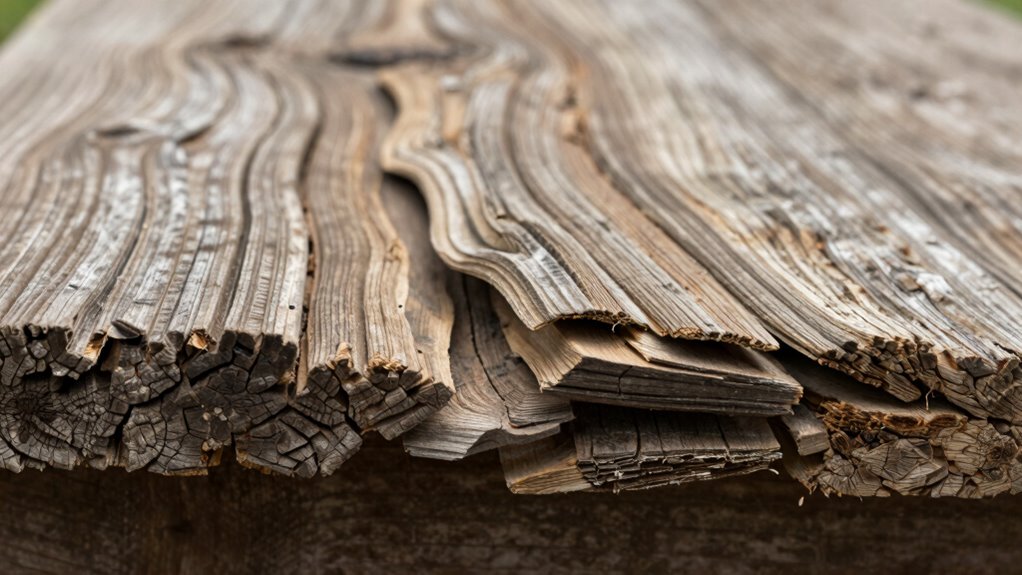
Warping in wood and other materials primarily results from uneven moisture levels that cause different parts of the material to expand or contract at varying rates. Grain orientation plays a vital role—if the grain runs unevenly or is misaligned, stress builds up as moisture changes, making warping more likely. Additionally, material elasticity affects how well a material can resist deformation; less elastic materials are more prone to bending and twisting under fluctuating moisture conditions. When moisture enters or exits unevenly, the wood’s fibers respond differently depending on their orientation, causing curved or bowed surfaces. Understanding the material properties such as elasticity and grain structure is essential for selecting suitable materials that resist warping. Proper understanding of grain orientation and choosing materials with suitable elasticity helps reduce warping risks, ensuring your projects stay stable and true over time.
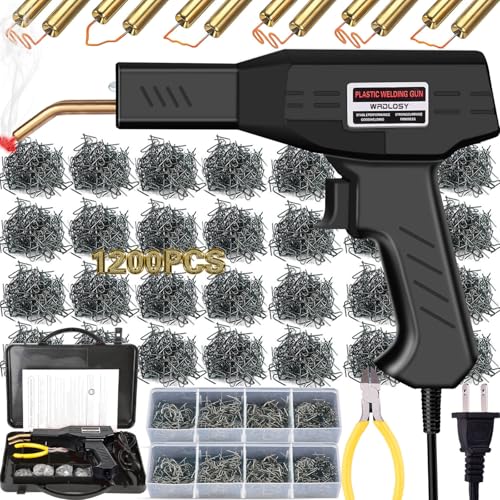
Wrdlosy Plastic Welder, 1200PCS Staples, Plastic Welding Kit, Must Have for DIYers, Instant On/Off, Welder Kit, Bumper Repair, Portable Toolbox (Black)
✔ 【Versatile Applications】 Repairs most thermoplastics on the market. Ideal for car bumpers, dashboards, headlights, kayaks, toy parts,…
As an affiliate, we earn on qualifying purchases.
As an affiliate, we earn on qualifying purchases.
How Environmental Conditions Speed Up Warping

Environmental conditions considerably influence how quickly warping occurs in wood and other materials. When moisture imbalance happens, parts of the wood absorb or lose water at different rates, causing uneven expansion or contraction. This uneven movement leads to warping over time. Temperature fluctuations also play a significant role; as temperatures rise and fall, the material expands and contracts, increasing stress within the wood. Rapid changes are especially damaging, as they don’t give the material enough time to adjust gradually. If you’re working in a space with inconsistent humidity or temperature swings, expect warping to accelerate. Keeping conditions stable helps reduce these stresses, but understanding how environmental factors speed up warping empowers you to take proactive steps in your projects. Media literacy also helps in recognizing misinformation about material care and preservation.

General Tools MMD4E Digital Moisture Meter, Water Leak Detector, Moisture Tester, Pin Type, Backlit LCD Display With Audible and Visual High-Medium-Low Moisture Content Alerts, Grays
HUMIDITY SENSOR: Our handy meter tool can quickly determine what level of remediation is needed to keep your…
As an affiliate, we earn on qualifying purchases.
As an affiliate, we earn on qualifying purchases.
How to Prevent Warping in Your Projects

Controlling environmental conditions is the most effective way to prevent warping in your projects. Start with proper wood treatment; applying sealants or finishes helps reduce moisture absorption. Always choose dry, stable wood, and avoid wood with high moisture content. Storage techniques are essential—store your materials in a cool, dry place, and keep them flat and elevated to prevent uneven moisture exposure. Use dehumidifiers or climate control in your workspace if necessary. When working with wood, acclimate it to your environment before cutting or assembling. This minimizes internal stresses that cause warping. Regularly check stored wood for signs of moisture changes. Additionally, maintaining consistent humidity levels can help prevent wood distortion over time. By managing these factors, you greatly reduce the risk of warping, ensuring your projects stay flat and durable over time.
How to Fix and Restore Warped Items

When a piece of wood or other material becomes warped, you can often restore its shape with targeted techniques. For minor warping, surface sanding is effective; gently sand the high spots to even out the surface and reduce the warp’s appearance. If the warp affects laminate surfaces, laminate repair kits can help lift or flatten the damaged area. For more stubborn warping, applying heat or moisture may relax the material, allowing you to reshape it carefully. Clamping the item in the correct position while it dries or cools can help maintain the new shape. Always assess the extent of the warp first, then choose the appropriate method. Additionally, using suitable materials and fuel can help prevent warping during the construction of outdoor kitchens and pizza ovens. These techniques can save your project without needing complete replacement, restoring both function and appearance.
Frequently Asked Questions
Can Warping Be Completely Avoided in Woodworking Projects?
Warping can’t be completely avoided in woodworking projects, but you can minimize it through proper moisture control and understanding wood movement. You should always acclimate your wood before working, store it in stable conditions, and use stable, well-seasoned lumber. Sealing the wood helps slow moisture exchange, reducing warping risks. While no method guarantees zero warping, these practices markedly decrease the chances of your project becoming distorted over time.
Does the Type of Wood Affect Its Likelihood to Warp?
Yes, the type of wood affects its likelihood to warp. Imagine wood grain as nature’s fingerprint—some grains are more prone to dance with moisture and twist out of shape. Hardwoods like oak and maple resist warping better, especially when their moisture content is well-controlled. Softwoods, such as pine, are more susceptible. You can minimize warping by choosing the right wood and maintaining consistent moisture levels throughout your project.
How Long Does It Take for Warping to Become Noticeable?
Warping becomes noticeable within a few weeks to a few months, depending on conditions. When you expose wood to moisture absorption, it causes wood expansion unevenly, leading to warping. If you don’t control humidity levels and protect the wood from excess moisture, warping can develop quickly. Keep your environment stable and seal the wood properly to prevent rapid wood expansion and minimize the chances of warping becoming visible early.
Are There Specific Finishes That Prevent Warping?
You’ll find that specific finishes, like certain finishing techniques and wood sealants, help prevent warping effectively. Applying a high-quality sealant creates a moisture barrier, reducing the risk of uneven expansion and contraction. Look for finishes labeled as waterproof or moisture-resistant, and confirm you follow proper application methods. These steps help maintain your wood’s shape and durability over time, saving you from costly repairs or replacements.
Is Warping More Common in Indoor or Outdoor Environments?
Warping is more common outdoors due to exposure to outdoor weather and fluctuating outdoor humidity levels. You’ll notice wood warps more outside because humidity and temperature changes cause expansion and contraction. Indoors, controlled humidity and climate help prevent warping. To minimize risks, keep indoor humidity stable, and avoid exposing wood to direct outdoor elements. Proper sealing and finishing also help protect wood from outdoor weather effects, reducing warping chances.
Conclusion
Understanding what causes warping helps you prevent it in your projects. Curiously, some believe that maintaining consistent humidity and temperature isn’t enough—others say that applying certain finishes or using specific materials can actually encourage warping. While it’s true that environmental control is key, experimenting with different wood treatments might be the real game-changer. By staying informed and proactive, you can keep your creations straight and flawless, proving that a little knowledge goes a long way in mastering your craft.