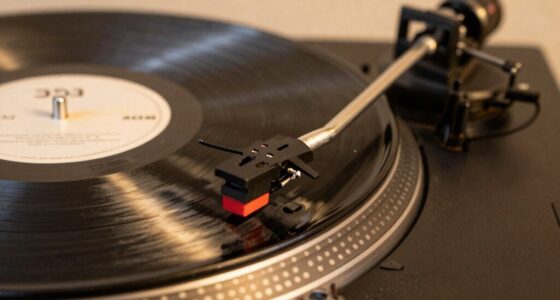


One of the biggest mistakes you can make in record storage is neglecting environmental controls, which quietly damages collections over time. Fluctuations in temperature and humidity cause materials to crack, warping, or mold, while exposure to light fades inks and weakens paper fibers. Digital preservation errors, like skipping backups or ignoring format changes, also silently threaten your records. Staying vigilant can prevent long-term damage, and if you continue, you’ll uncover how to protect your collections effectively.

Get audio and creator gear delivered free with Prime
- Fast, free delivery on millions of items
- Prime Video, Amazon Music and more included
- Member-only deals all year
Key Takeaways
- Neglecting consistent environmental controls allows gradual damage from fluctuations in temperature and humidity.
- Failing to regularly monitor storage conditions leads to unnoticed deterioration of records.
- Using inappropriate storage materials without environmental shielding accelerates material degradation.
- Relying solely on digital copies without proper digital preservation practices risks silent data loss.
- Ignoring long-term preservation strategies causes cumulative, irreversible harm to collections over time.
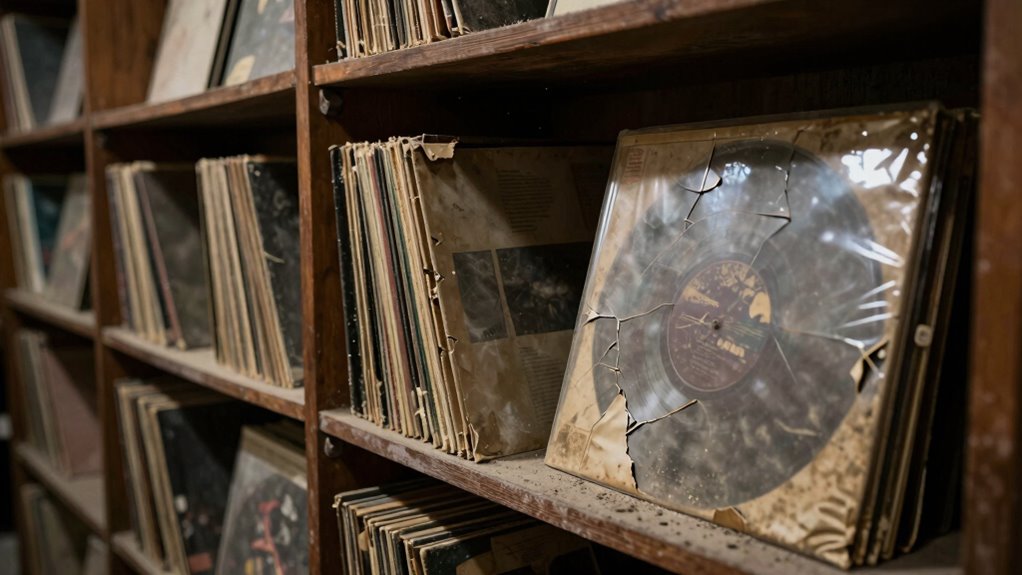
Have you ever underestimated the importance of proper record storage? Many people overlook how crucial it is to safeguard collections over time, often focusing only on initial organization rather than long-term preservation. One common mistake is neglecting the importance of environmental controls, which can cause subtle but ongoing damage to records. Without proper environmental management, records are exposed to fluctuations in temperature, humidity, and light—factors that accelerate deterioration. High humidity can lead to mold growth and paper warping, while fluctuations in temperature cause materials to expand and contract, weakening their structure. Even exposure to light, especially UV rays, can fade inks and weaken paper fibers, gradually making documents unreadable. These issues happen gradually, often unnoticed until it’s too late. Implementing environmental controls is essential to prevent these silent damages from accumulating over time. Additionally, many overlook the importance of long-term preservation strategies that adapt to changing conditions and technologies, ensuring your collections remain protected well into the future. Regular monitoring and maintenance of storage environments is also vital to catch and correct issues before they cause significant harm. Proper documentation of the storage conditions can help identify patterns and prevent future damage. Recognizing the role of environmental variability is crucial in developing effective preservation strategies that respond to changing conditions.
Many underestimate the importance of integrating digital preservation into their record storage strategy. Digital preservation isn’t just about creating backups; it’s about maintaining the integrity of digital files over time, ensuring they remain accessible despite evolving technology. When physical records aren’t stored properly, their digital counterparts can also suffer if not properly managed. Conversely, digitizing records can reduce the need for physical storage, but only if the digital files are preserved with proper formats, regular migration, and secure storage. Relying solely on digital copies without considering digital preservation best practices can lead to data loss or obsolescence, which defeats the purpose of digitization altogether.
Digital preservation is key to maintaining digital file integrity and avoiding data loss over time.
Failing to control environmental factors and neglecting digital preservation both represent silent, ongoing threats to collections. These mistakes may seem minor at first, but over years they accumulate, leading to irreversible damage. Proper record storage requires a proactive approach: maintaining consistent temperature and humidity levels, using appropriate storage materials, and shielding materials from harmful light. Implementing digital preservation strategies, like regular backups and format migrations, can significantly extend the lifespan of digital files. Simultaneously, you should implement a digital preservation plan that includes regular backups, format migrations, and secure storage solutions. This combined approach ensures your collections remain intact, accessible, and protected from the quiet, persistent damage caused by neglect.
Ultimately, the key is awareness. Recognize that small oversights in environmental controls or digital preservation can silently erode your records over time. By prioritizing these factors now, you safeguard your collections against the silent but relentless damage that can undermine their integrity long into the future.
As an affiliate, we earn on qualifying purchases.
Frequently Asked Questions
How Do I Identify Hidden Damage Caused by Poor Storage?
You can identify hidden damage by regularly inspecting your collection for signs like warping, discoloration, or musty odors, which indicate environmental factors have taken a toll. Check for pest activity, such as tiny holes or droppings, that might suggest pest damage. Implement consistent pest control measures and monitor storage conditions to catch issues early, preventing long-term deterioration. Regular assessments help you catch hidden damage before it becomes severe.
What Are the Best Materials for Long-Term Record Preservation?
You should use archival quality, acid-free materials for long-term record preservation. These materials prevent acid migration and deterioration, ensuring your records stay intact over time. Opt for acid-free folders, storage boxes, and sleeves, which are designed specifically for archival purposes. Avoid regular paper or cardboard, as they can contain acids that damage your collections. Properly storing with archival quality supplies helps protect your records from environmental harm and decay.
How Often Should Stored Records Be Inspected or Maintained?
You should inspect and maintain stored records at least once a year, ensuring proper climate control and checking for signs of deterioration. During inspections, verify archival labeling remains clear and intact, and adjust climate conditions if necessary to prevent damage. Regular maintenance helps catch issues early, preserving your collection’s integrity over time. Consistent care minimizes the risk of long-term deterioration caused by environmental factors or improper storage.
Can Digital Backups Prevent Damage to Physical Records?
Digital backups, when managed with strong digital security and backup strategies, can prevent damage to physical records by offering a secure, accessible copy. You should regularly update and verify backups to guarantee their integrity and protect against data loss or corruption. Implementing layered backup strategies, like off-site and cloud storage, helps safeguard your collection, reducing risks from physical deterioration, theft, or disasters while maintaining long-term preservation.
What Are Common Mistakes in Organizing Stored Records?
Think of your records as a garden; poor organization is like weeds choking growth. You often make mistakes like neglecting metadata management, which is like ignoring essential plant labels, or using vague storage labeling that’s like leaving signs unreadable. These errors hinder quick access and proper preservation. To avoid damage over time, you need clear labels and detailed metadata, guiding your collection’s growth without chaos or confusion.
digital preservation hard drives
As an affiliate, we earn on qualifying purchases.
As an affiliate, we earn on qualifying purchases.
Conclusion
If you neglect proper storage, you’re planting seeds of decay that quietly grow beneath the surface, slowly eroding your collection’s integrity. Like a delicate clock, each record is a tiny gear—fail to care for one, and the whole mechanism falters over time. But by paying attention now, you preserve the harmony and history embedded in every groove. Remember, safeguarding your collection is like tending a garden—consistent care keeps it alive and thriving.
climate control storage cabinets
As an affiliate, we earn on qualifying purchases.
As an affiliate, we earn on qualifying purchases.
As an affiliate, we earn on qualifying purchases.
Halloween Picks
halloween
As an affiliate, we earn on qualifying purchases.