During winter, static electricity worsens because dry air and low humidity allow charges to build up easily on vinyl records and equipment. When you handle records or listen, static discharges can cause crackles, pops, and even minor shocks. Grounding your system, adding humidifiers, or using anti-static tools can help. Staying aware of these factors is key—keep exploring to learn more about minimizing static and protecting your vinyl collection all season long.
Key Takeaways
- Cold, dry winter air increases static buildup on vinyl records and audio equipment.
- Low humidity causes static charges to accumulate more easily, leading to shocks and noise.
- Improper grounding of turntables and devices worsens static discharges during winter.
- Lack of environmental control, like humidity management, exacerbates static issues in cold months.
- Using anti-static tools and maintaining proper grounding can significantly reduce static problems in winter.

The Static Season Problem arises when a system’s performance deteriorates during specific times of the year, often due to environmental or operational factors that remain constant or change predictably. During winter, this issue becomes especially noticeable, affecting everything from vinyl records to electronic equipment. Cold air and low humidity create the perfect environment for static buildup, making your devices more prone to static shocks and interference. If you’ve noticed your vinyl collection sticking together or your electronic devices acting erratically during winter, static is likely the culprit. Addressing this begins with understanding and resolving grounding issues, which are often overlooked but essential for proper static control.
Grounding issues play a *important* role in static problems during the colder months. When your equipment isn’t properly grounded, static charges can accumulate and discharge unpredictably, leading to performance issues. For example, if your turntable or audio equipment isn’t properly grounded, you might hear crackling sounds or experience hums and pops that worsen in dry winter air. The solution is straightforward: *make certain* all your devices are correctly grounded. Using grounding straps or establishing a solid ground connection can *considerably* reduce static buildup. This might involve inspecting cables, outlets, and grounding rods to confirm everything is properly connected and functioning. Proper grounding doesn’t just eliminate static—it also improves overall equipment safety and performance.
Proper grounding prevents static buildup and enhances device safety during cold winter months.
In addition to grounding, equipment solutions are *vital* for managing static during the static season. Anti-static mats, ionizing blowers, and humidifiers can help stabilize the environment and reduce static charge. For vinyl enthusiasts, using anti-static sleeves or brushes prevents static from attracting dust and keeps records clean. If static persists, consider adding anti-static sprays designed for vinyl or electronics, but use these carefully to avoid damaging delicate surfaces. Equally important is maintaining consistent humidity levels; using a humidifier can raise your home’s moisture content, making static less likely to form. These equipment solutions work together to create a more static-free environment, ensuring your devices and records perform reliably during the winter months.
Furthermore, understanding the environmental factors that influence static buildup can help you develop a comprehensive approach to static control. Ultimately, combating the static season problem involves a combination of understanding environmental factors, resolving grounding issues, and deploying effective equipment solutions. You don’t have to accept static-related disruptions as unavoidable during winter. By taking proactive steps—checking grounding connections, equipping your space with anti-static tools, and managing humidity—you can keep static at bay. This not only preserves the quality of your vinyl collection and electronic devices but also makes your winter months more comfortable and less frustrating. With these adjustments, you’ll find the static season less disruptive, allowing your equipment to operate smoothly despite the seasonal challenges.

Hudson Hi-Fi Anti-Static Vinyl Record Sleeves – Durable Clear Disc Sleeves- Protect Your LP Albums from Scratches, Dust & Dirt – Acid-Free Rice Paper Disc Covers, 50x Inner Sleeves
THE ULTIMATE ALBUM SLEEVES FOR YOUR PRECIOUS VINYL RECORDS ARE HERE! Now you can finally protect your valuable…
As an affiliate, we earn on qualifying purchases.
As an affiliate, we earn on qualifying purchases.
Frequently Asked Questions
How Can I Prevent Static Buildup on My Vinyl Records During Winter?
To prevent static buildup on your vinyl records during winter, always use anti-static sleeves to store them. Keep your room humid with a humidifier, as dry air increases static. Regularly clean your records with anti-static brushes before playing. These simple steps reduce static, protect your records, and improve sound quality, making winter listening more enjoyable without the annoying static shocks.
What Products Are Best for Reducing Static on Vinyl in Cold Weather?
Think of your vinyl records as delicate sails catching static winds. To calm these storms, use anti-static brushes before playing and during storage, gently grounding the static. Additionally, opt for humidifier solutions to keep your room’s humidity balanced, reducing static buildup overall. These products work together, like a crew steering a ship away from static storms, ensuring your records stay pristine and your listening experience smooth.
Does Indoor Heating Increase Static on Vinyl Records?
Indoor heating can increase static on vinyl records because it reduces humidity, making electrostatic discharge more likely. When the air is dry, static builds up more easily, attracting dust and causing noise during playback. To prevent this, use humidity control devices and anti-static record brushes. Maintaining proper humidity levels helps minimize static buildup, ensuring your vinyl stays clean and sounds great, even during winter’s dry months.
Are There Specific Storage Tips for Vinyl During Dry Winter Months?
Did you know that vinyl records are 50% more likely to suffer static buildup in dry winter months? To protect your collection, focus on humidity control by maintaining around 45-50% humidity. Use storage containers with anti-static linings and keep records upright to prevent warping. Also, avoid extreme temperature fluctuations. These tips help keep your vinyls pristine and free from static during winter’s dry spell.
Can Static Damage My Vinyl Records Over Time?
Yes, static can cause electrostatic damage to your vinyl records over time, affecting their sound quality and record longevity. When static builds up, it attracts dust and dirt, which can scratch the surface or interfere with playback. To protect your records, use anti-static sleeves and keep them in a humid environment during dry winter months. Regularly cleaning your vinyl helps minimize static and preserves their sound quality.

LCYLFH Phonograph Turntable Ground Wire for Magnetic Cartridge Turntables, 5-ft Technic (1 Pack)
【No more hum】 Use the turntable ground wire can eliminates hum and static electricity, no more hum, for…
As an affiliate, we earn on qualifying purchases.
As an affiliate, we earn on qualifying purchases.
Conclusion
So, you see, winter’s static season can be tough on your vinyl. It drains your record’s life, disrupts your listening, and dulls your enjoyment. But awareness, care, and proper storage can help you fight back. Keep your records clean, store them properly, and stay mindful of the static. Because when you protect your vinyl, you preserve your music, your memories, and your passion. Stay vigilant, stay proactive, and enjoy your records all year round.

Boundless Audio Record Cleaner Brush – Carbon Fiber Anti-Static Vinyl Brush – Record Player Accessories for Vinyl Cleaning
Clean and protect your vinyl collection — Our vinyl record brush quickly and easily cleans your records before…
As an affiliate, we earn on qualifying purchases.
As an affiliate, we earn on qualifying purchases.
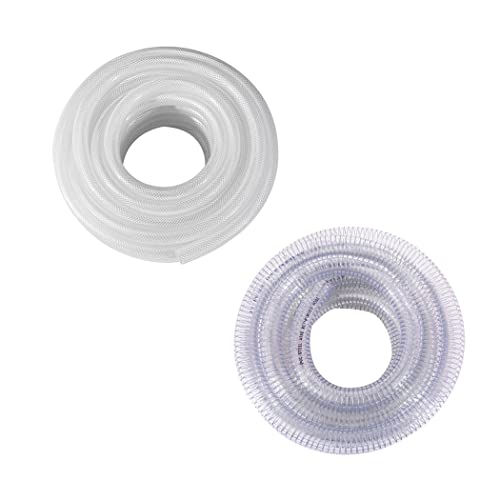
DAVCO PVC Steel Wire and Braided Reinforced Tubing High Pressure Flexible Vinyl Hose Heavy Duty Clear Suction Tube,Non-Toxic, Vacuum Dust Collection Pipe
[Ideal For Transfer]. DAVCO clear vinyl tubing is made of high quality PVC material, flexible and durable.Transparent enough…
As an affiliate, we earn on qualifying purchases.
As an affiliate, we earn on qualifying purchases.