
When you clean your vinyl records, you remove dust, fingerprints, and static that cause unwanted pops, crackles, and muffled sound. This helps the stylus track the grooves better, allowing the music to sound clearer and more detailed. Regular cleaning also reduces static buildup, which attracts more dirt and causes skipping. As a result, your records sound fresher and more vibrant. Keep exploring how proper care can transform your listening experience even further.

Get audio and creator gear delivered free — and shop member deals
- Fast, free delivery on millions of items
- Access to Prime Big Deal Days deals on October 6–7
- Prime Video, Amazon Music and more included
Key Takeaways
- Cleaning removes dust, dirt, and oils that cause pops, crackles, and muffled sound, improving audio clarity.
- It reduces static buildup that attracts debris and causes unwanted noise during playback.
- Proper cleaning opens the grooves, allowing the stylus to track more accurately.
- Routine cleaning minimizes static cling, preventing records from sticking or skipping.
- Overall, cleaning enhances sound fidelity by revealing more audio nuances and details.
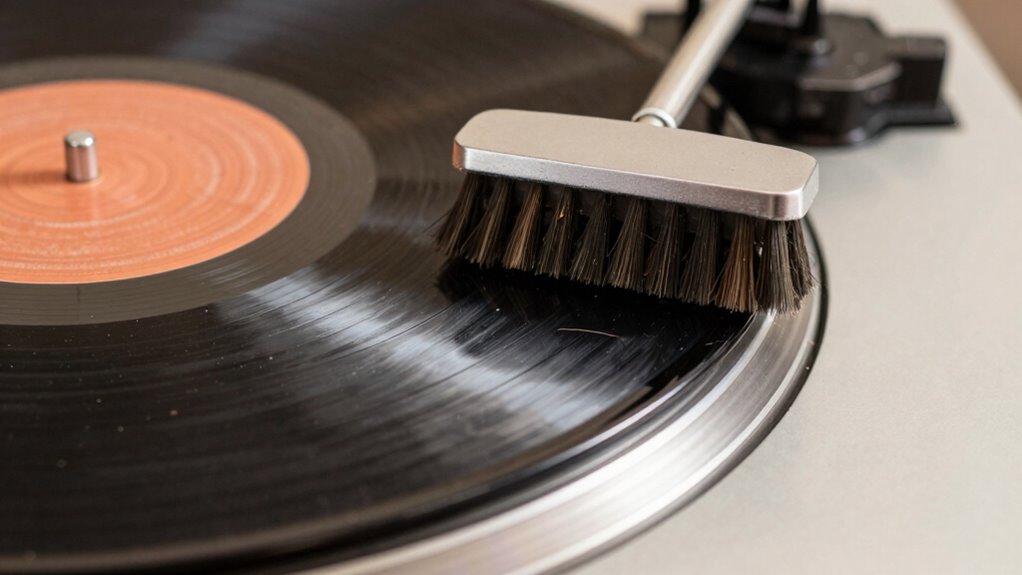
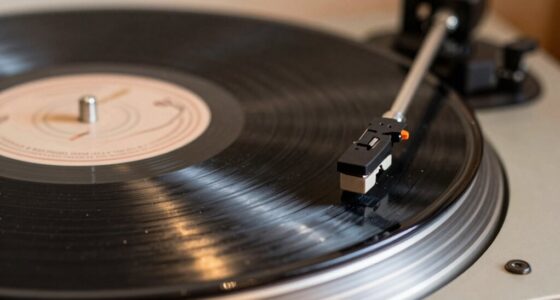
You might be surprised to discover that a simple cleaning routine can dramatically improve the sound quality of your records. Over time, vinyl surfaces collect dust, fingerprints, and other debris, known as vinyl surface contamination, which can cause pops, crackles, and muffled sound. When dirt and oils sit on the record’s surface, the stylus struggles to track the grooves accurately, leading to a less clear and less dynamic listening experience. Cleaning your records removes this surface contamination, allowing the stylus to glide smoothly and accurately through the grooves. This results in a crisper, cleaner sound, making your listening sessions more enjoyable and true to the original recording.
Another factor that can impact sound quality is static electricity buildup. As records are handled and played, static charges can accumulate, attracting more dust and debris to the vinyl surface. This static cling creates a thin layer of electrostatic charge that not only pulls in more dust but also causes the record to stick to the stylus or turntable mat, leading to unwanted noise and skips. By regularly cleaning your records, you reduce static electricity buildup, which diminishes these issues. Some cleaning methods incorporate anti-static solutions or brushes, helping to neutralize static charges and keep your records free of static cling. This not only improves sound clarity but also makes handling records easier and safer, preventing dust from settling during playback. Additionally, understanding the role of static electricity in affecting sound quality can guide you in choosing appropriate cleaning tools and techniques.
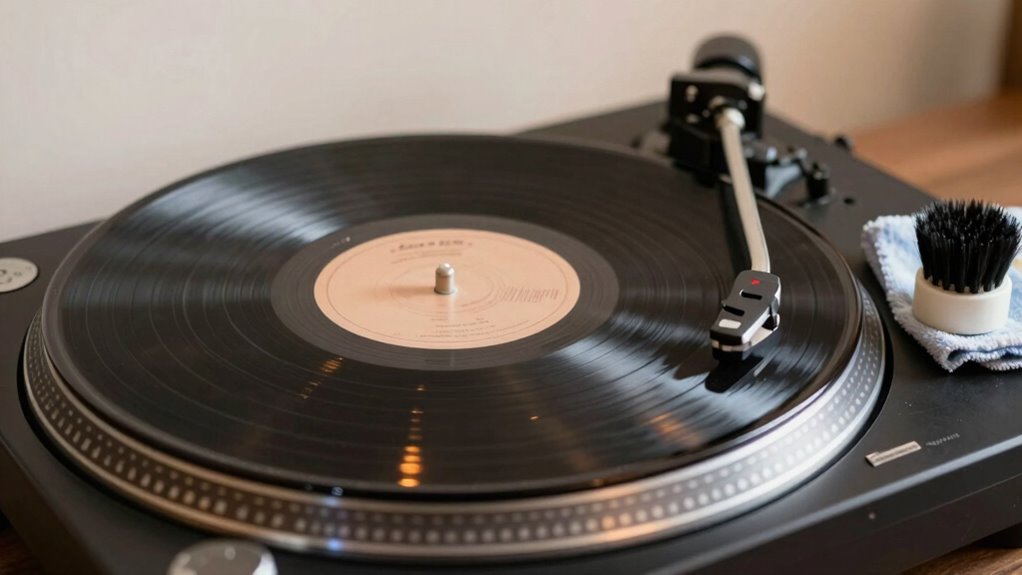
A basic cleaning routine, such as using a dedicated record brush or a gentle cleaning solution, can address both vinyl surface contamination and static electricity buildup. When you wipe your records carefully before each play, you remove loose dust and oils, keeping the grooves open and unobstructed. For more thorough cleaning, using a slightly damp microfiber cloth or a record cleaning solution can eliminate stubborn dirt and oils that regular dusting might miss. These methods help maintain the record’s surface, ensuring that the stylus makes consistent contact with the groove walls, enhancing audio fidelity. Proper handling techniques and cleaning methods are essential for maintaining the longevity and sound quality of your records. Recognizing the importance of surface contamination and static reduction techniques can help you preserve your collection’s sound quality over time.
In essence, the act of cleaning your records isn’t just about keeping them looking good; it’s about optimizing their sound quality. Removing vinyl surface contamination and reducing static electricity buildup directly translate into clearer, richer, and more accurate sound reproduction. It’s a simple step that can make a significant difference in how your records sound, making every listening session more immersive and enjoyable. Just a few minutes of routine cleaning can restore the true fidelity of your vinyl collection, revealing details and nuances you might not have noticed before.
As an affiliate, we earn on qualifying purchases.
Frequently Asked Questions
Can Cleaning Damage Delicate Vinyl Records?
Cleaning delicate vinyl records can potentially cause damage if you’re not careful. You might scratch the surface or remove valuable dust removal layers if you use harsh tools or aggressive methods. To safeguard surface preservation, always use gentle cleaning techniques, soft brushes, and proper solutions. Handling records carefully ensures you remove dust effectively without risking damage, helping your vinyl stay in good shape and sound better after cleaning.
How Often Should Records Be Cleaned?
You should clean your records regularly, ideally after every few listens, to maintain sound quality and support record preservation. The cleaning frequency depends on how often you play them and your storage conditions. If you notice dust or static, it’s time for a quick clean. Regular cleaning prevents dirt buildup, reduces wear, and guarantees your records sound their best longer. Keep a gentle routine to protect your vinyl collection effectively.
What Are the Best Cleaning Tools for Records?
You should use a carbon fiber brush for quick, dry record cleaning methods, as it effectively removes dust without scratching. For deeper cleaning, consider a microfiber cloth with distilled water or a specialized record cleaning solution. These vinyl preservation techniques help maintain sound quality over time. Always handle your records gently, and avoid harsh chemicals to keep your collection sounding its best. Proper tools and methods guarantee longevity and ideal playback.
Does Cleaning Improve Audio Quality for All Records?
Yes, cleaning can dramatically improve audio quality for all records, especially those with surface contamination, mold, or mildew buildup. Imagine hearing every note crystal clear, like a concert in your living room! Even slightly dirty records can cause crackles and pops, but a good cleaning removes these imperfections. So, don’t underestimate the power of a simple routine — it can turn your listening experience from dull to dazzling!
Are There Risks of Using DIY Cleaning Solutions?
Using DIY cleaning solutions can pose risks because some cleaning chemicals may damage your records or leave residues that affect sound quality. DIY dangers include using harsh or inappropriate chemicals that can cause warping or deterioration. Always choose gentle, record-specific cleaning solutions, and avoid household cleaners with strong solvents. Properly rinsing and drying your records reduces the risk of harm, ensuring your records stay in good condition and sound their best.
anti-static record cleaning solution
As an affiliate, we earn on qualifying purchases.
As an affiliate, we earn on qualifying purchases.
Conclusion
Cleaning your records isn’t just about appearance—it’s about sound quality. Did you know that a simple cleaning can reduce surface noise by up to 50%? That means you’ll experience clearer, richer audio with less crackle and pop. So, next time your records sound off, remember a quick routine can make a huge difference. Keep your collection clean, and you’ll enjoy your music even more, month after month. Your ears will thank you!
microfiber record cleaning cloth
As an affiliate, we earn on qualifying purchases.
As an affiliate, we earn on qualifying purchases.
As an affiliate, we earn on qualifying purchases.
Fall Picks
fall essentials
As an affiliate, we earn on qualifying purchases.