TL;DR

Get audio and creator gear delivered free — and shop member deals
- Fast, free delivery on millions of items
- Access to Prime Big Deal Days deals on October 6–7
- Prime Video, Amazon Music and more included
A hobbyist learned PCB design, 3D printing, and C programming specifically to improve their music listening setup. This personal project underscores creative tech use but remains a private effort with limited wider impact.
A hobbyist has publicly shared that they learned PCB design, 3D printing, and C programming specifically to improve their music listening experience. This personal project highlights a unique use of technical skills driven by a passion for music, though it remains a private effort so far.
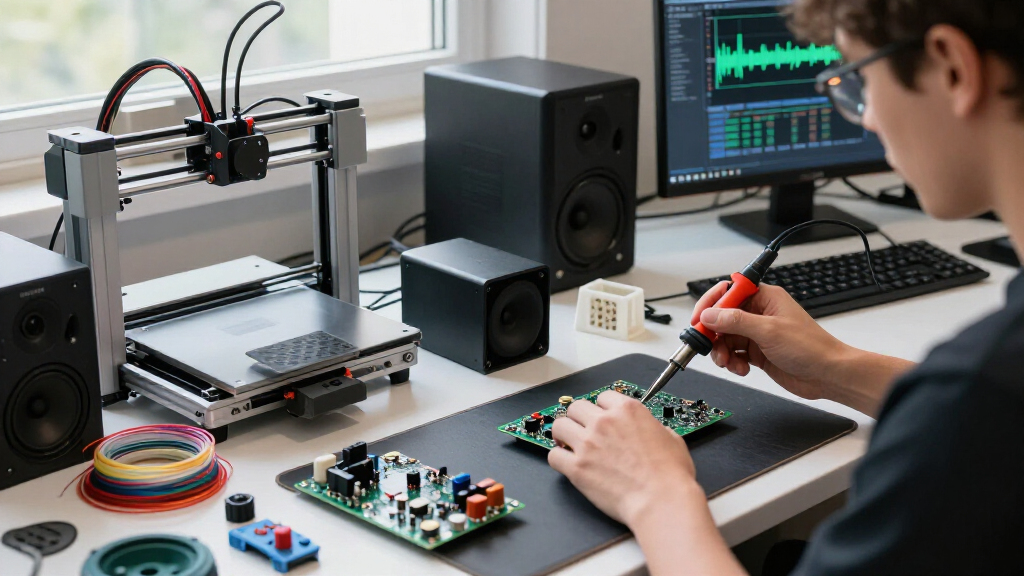
The individual, whose identity has not been disclosed, began studying PCB (Printed Circuit Board) design and 3D printing as part of a self-directed project to create custom audio equipment. They also learned C programming to develop firmware for their device. The motivation was solely to enhance their ability to listen to music, rather than for commercial or professional purposes.
According to the person, their goal was to build a personalized audio setup that could deliver higher sound quality or unique listening features not available with off-the-shelf products. They have documented some of their progress on social media, but details about the final device or its capabilities remain limited.
Experts note that such a project involves complex technical skills, including designing circuit boards, creating physical components via 3D printing, and programming embedded systems. However, it is uncommon for individuals to undertake all these disciplines solely for a personal music hobby, making this case notable for its dedication and technical scope.
Why Personal Tech Projects for Music Matter
This story illustrates how individuals can leverage advanced technology skills for personal passions, blurring the lines between hobbyist experimentation and technical innovation. While the project is private, it exemplifies a broader trend of DIY tech enthusiasts creating customized solutions for niche interests, such as high-fidelity audio.
It also raises questions about the potential for personal tech projects to influence mainstream audio equipment design or inspire new ways to customize listening experiences. However, since this project remains private, its broader impact is currently limited.
As an affiliate, we earn on qualifying purchases.
The Rise of DIY Audio and Personal Tech Innovations
Over recent years, there has been a growing community of DIY enthusiasts building custom audio equipment, often sharing their projects online. These efforts include designing custom circuit boards, 3D printing enclosures, and programming embedded systems to control audio features.
While most DIY projects focus on improving sound quality or creating unique audio devices, few are driven solely by the desire to enhance personal listening experiences through complex engineering skills. This case is notable for its focus on learning multiple technical disciplines for a single purpose.
Historically, hobbyists have used skills like PCB design and 3D printing for broader applications, but applying these skills specifically for music listening is relatively rare and highlights a niche intersection of tech and personal passion.
“I learned PCB design, 3D printing, and C just to listen to music. It’s a personal challenge and a way to get exactly what I want.”
— Anonymous hobbyist
As an affiliate, we earn on qualifying purchases.
Details of the Final Device and Its Capabilities
It is not yet clear what specific features or performance improvements the individual’s device offers. The final design, sound quality, or whether it has been successfully completed and used regularly remains undisclosed.
Further details about the technical specifications or whether this project has inspired similar efforts are also unavailable at this time.
As an affiliate, we earn on qualifying purchases.
Potential for Sharing and Broader Impact
The individual may choose to share more about their project, possibly through online platforms or tech communities. If they do, it could inspire other hobbyists to undertake similar projects or explore DIY audio innovations.
Additionally, their learning journey might motivate further experimentation among tech enthusiasts interested in personal audio enhancements, but concrete developments or commercial implications are yet to emerge.
embedded system programming for audio devices
As an affiliate, we earn on qualifying purchases.
As an affiliate, we earn on qualifying purchases.
Key Questions
Why did this person learn so many technical skills?
The individual wanted to personally customize and improve their music listening experience, which motivated them to learn PCB design, 3D printing, and C programming.
Is this project intended for commercial release?
No, this appears to be a private, personal project with no indication of plans for commercial production or sale.
Could this inspire other DIY audio projects?
Potentially, if the person shares their process or results publicly, it could motivate others to explore similar technical approaches for personal audio enhancement.
What technical skills are involved in such a project?
Designing circuit boards (PCB design), creating physical parts via 3D printing, and programming embedded systems in C are the core skills involved.
What remains unknown about this project?
Details about the final device’s design, performance, and whether it has been used regularly are still undisclosed, making the project’s full scope uncertain.
Source: hn
Fall Picks
fall essentials
As an affiliate, we earn on qualifying purchases.