
Before buying expensive gear, think about how it fits into your long-term plans. Make sure it’s compatible with your current setup and supports future upgrades or accessories. Focus on industry standards and modular designs that won’t become obsolete quickly. Consider the manufacturer’s support and community feedback to gauge longevity. Smarter choices today can save you time and money later. Keep exploring, and you’ll discover even more ways to make wise upgrade decisions.

Get audio and creator gear delivered free with Prime
- Fast, free delivery on millions of items
- Prime Video, Amazon Music and more included
- Member-only deals all year
Key Takeaways
- Assess how the new gear integrates with your existing setup and future expansion plans.
- Prioritize models with industry standards, modularity, and open architectures for easier upgrades.
- Consider compatibility with upcoming technologies, accessories, and higher-capacity storage options.
- Research manufacturer support, firmware updates, and community feedback for long-term durability.
- Balance current needs with future possibilities to ensure sustainable, flexible, and cost-effective investments.
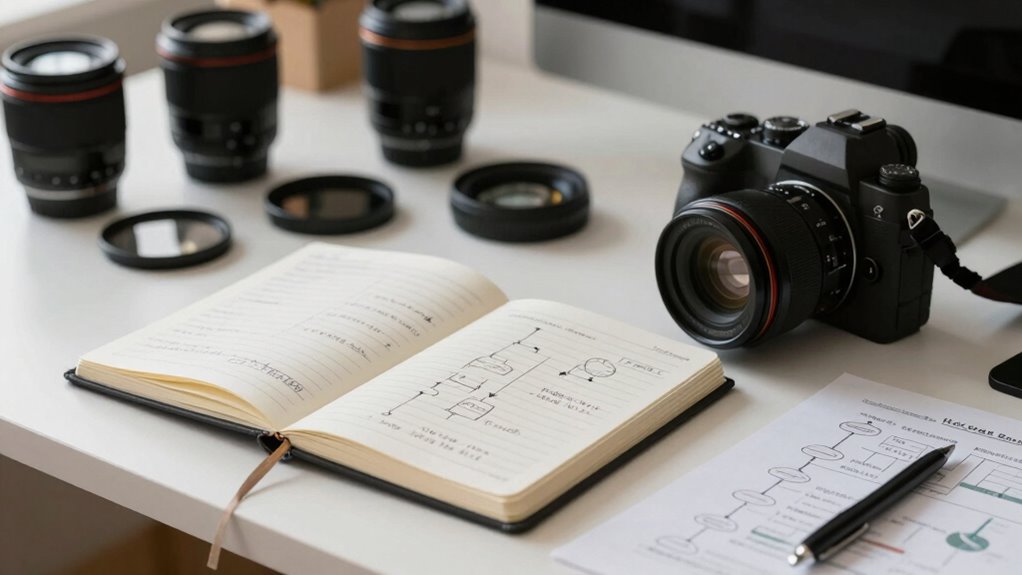
When you’re considering investing in expensive gear, it’s essential to think about your upgrade path from the start. This means evaluating how your current purchase will fit into your long-term plans. Compatibility considerations are key here; you want to ensure that your new equipment will work seamlessly with what you already own or plan to acquire later. For instance, if you’re buying a high-end camera, check whether it supports future lens upgrades or accessories you might want down the line. Ignoring these details could lead to compatibility issues that force costly replacements or limit your creative options.
Thinking ahead also involves adopting effective future proofing strategies. These strategies help you avoid obsolescence and maximize your investment. One way to do this is to choose gear that adheres to industry standards or offers upgrade-friendly features. For example, selecting hardware with modular components or open architectures allows for easier upgrades without replacing the entire system. You might also want to consider models that support upcoming technologies or formats, so you’re not stuck with outdated features shortly after your purchase.
It’s tempting to focus solely on the immediate benefits or the latest features, but a forward-looking approach saves you money and frustration in the long run. When you evaluate potential upgrades, ask yourself whether the device or component can adapt as your needs evolve. Will it support newer software updates? Can it accommodate additional accessories or higher-capacity storage? These questions help you build a flexible setup that can grow with your skills or business demands.
Another aspect of future proofing is researching the manufacturer’s upgrade policies and community support. Brands known for regular firmware updates or extensive accessory ecosystems tend to offer more longevity for their products. This can be crucial if you plan to keep your gear for several years. Additionally, talking to other users or reading reviews can reveal how well a piece of equipment holds up over time and whether it’s compatible with upcoming technologies. Furthermore, understanding compatibility considerations can guide you toward making smarter, more sustainable purchasing decisions. Incorporating insights about industry standards ensures your gear remains adaptable as technological landscapes evolve.
Ultimately, your goal is to make a smart investment that balances current needs with future possibilities. By carefully considering compatibility and adopting future proofing strategies, you set yourself up for smoother upgrades and continued satisfaction. This proactive mindset ensures that when you’re ready to enhance your setup, your gear will support those changes without major hitches, saving you both time and money.
As an affiliate, we earn on qualifying purchases.
Frequently Asked Questions
How Do I Determine My Long-Term Upgrade Needs?
To determine your long-term upgrade needs, consider the modular design and upgrade flexibility of gear you’re eyeing. Think about your future goals and whether the equipment can adapt as your skills or projects evolve. Ask if parts or features can be upgraded without replacing everything. This way, you guarantee your investment stays relevant, saving money and time while keeping your setup future-proof and versatile for changing demands.
Should I Prioritize Compatibility Over Initial Features?
You should prioritize compatibility considerations over initial features, because sacrificing compatibility can turn your investment into an expensive paperweight. While features are tempting, they often become obsolete faster than you can say “upgrade,” leaving you stuck. By focusing on compatibility, you guarantee your gear seamlessly integrates with future upgrades, saving money and headaches. Think long-term—compatibility considerations form the sturdy backbone of a truly versatile, future-proof setup.
How Often Should I Plan for Future Upgrades?
You should plan for future upgrades every 1-2 years, depending on your hardware compatibility needs and how quickly technology advances. Regularly evaluating your upgrade frequency helps guarantee compatibility with new components and prevents obsolescence. Keep an eye on emerging hardware trends, and don’t wait too long—updating sooner rather than later maintains peak performance. This proactive approach saves you money and keeps your system current.
What Are Signs My Current Gear Will Become Obsolete?
You might think your gear is timeless, but signs of obsolescence are everywhere—outdated specs, lagging behind new tech trends, or if your brand loyalty feels more like regret. When your equipment no longer meets your needs or can’t keep up with evolving standards, it’s a clear sign. Ironically, sticking with old tech might seem safe, but embracing change keeps you ahead, not left behind in the dust of tech trends.
How Can I Budget Effectively for Multiple Upgrade Cycles?
To budget effectively for multiple upgrade cycles, consider tech longevity and your brand loyalty. Allocate a set amount each year based on the expected lifespan of your gear, and prioritize brands known for durability and upgrade support. Keep an eye on upcoming releases to avoid premature obsolescence, and save for planned upgrades. This proactive approach guarantees you stay current without overspending, making your investment last longer and serving your needs better.
industry standard external hard drives
As an affiliate, we earn on qualifying purchases.
As an affiliate, we earn on qualifying purchases.
Conclusion
Think of your gear as a garden: planting seeds now sets the stage for future growth. When you pick your equipment carefully, you’re nurturing a landscape that can flourish over time. I once bought a camera knowing I’d want better lenses later—like choosing a sturdy trellis for future blooms. Planning your upgrade path guarantees your investment blossoms into something truly worth the wait, turning today’s choices into tomorrow’s lush, thriving garden.
As an affiliate, we earn on qualifying purchases.
compatible smartphone accessories
As an affiliate, we earn on qualifying purchases.
As an affiliate, we earn on qualifying purchases.
Halloween Picks
halloween
As an affiliate, we earn on qualifying purchases.