
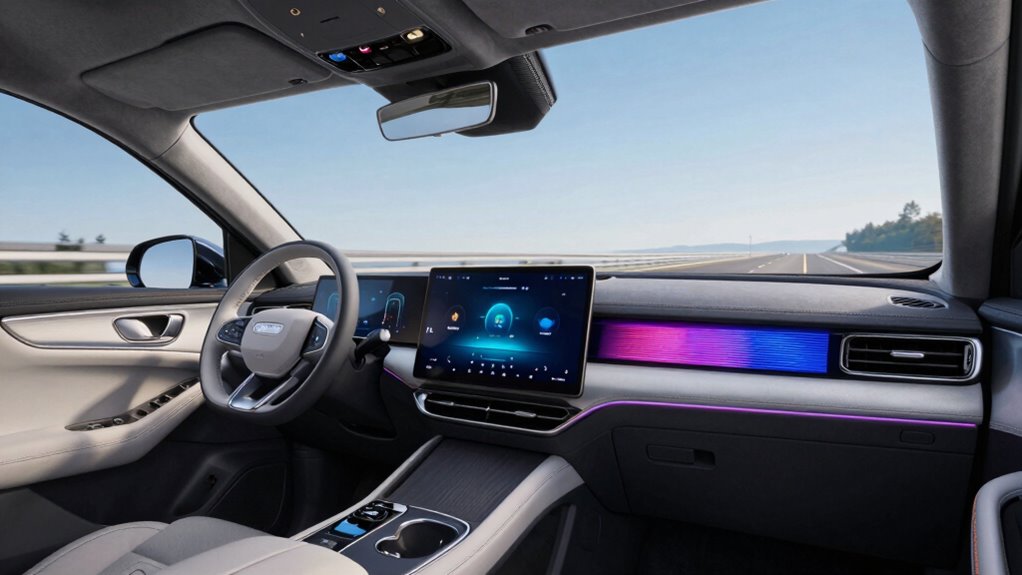

Your mix sounds different in the car because vehicle acoustics, speaker placement, and ambient noise all affect how sound perceives. Car interiors emphasize bass and midrange, making some frequencies seem boomy or muffled, while stereo imaging can shift or collapse due to speaker positioning. Road noise and limited stereo space also reduce dynamic contrast and clarity. To achieve a more consistent sound, you need to understand these factors—keep exploring to learn how to optimize your mixes for car environments.

Get audio and creator gear delivered free with Prime
- Fast, free delivery on millions of items
- Prime Video, Amazon Music and more included
- Member-only deals all year
Key Takeaways
- Car acoustics and reflective surfaces alter frequency response, making mixes sound different without proper adjustments.
- Road noise and interior sounds reduce dynamic range, requiring compression and level balancing for clarity.
- Speaker placement and limited stereo space in vehicles can cause stereo imaging to collapse or shift.
- Bass and midrange frequencies often become exaggerated or muffled, necessitating EQ tweaks for proper balance.
- Testing mixes in the car environment helps identify and correct issues for a consistent listening experience.
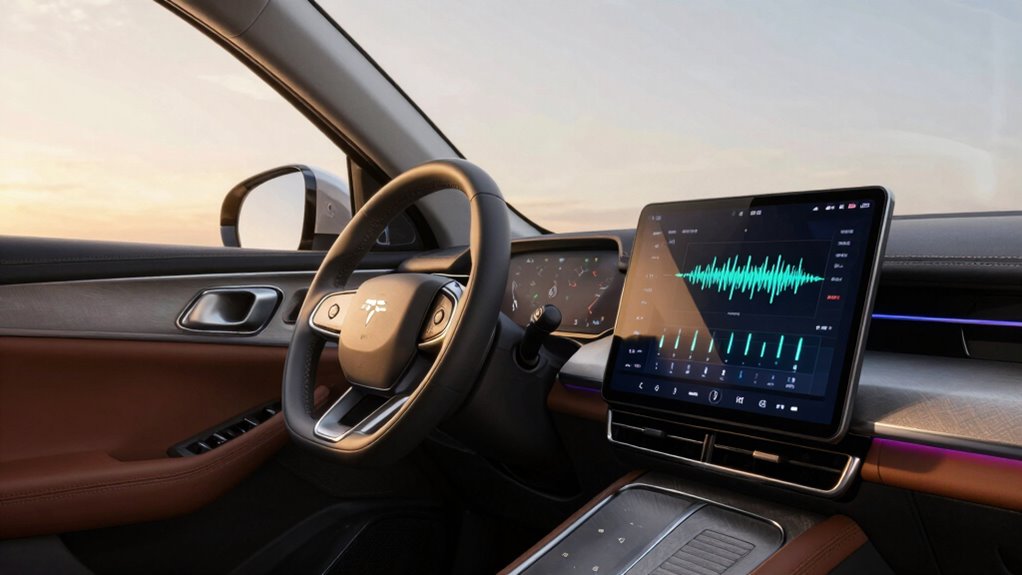
Mix translation is a powerful technique that combines elements from different languages to create more accurate and natural translations. In the world of music production, it’s the process of adjusting your mix so it sounds good across various listening environments, especially in the car. When you listen to your mix in your studio, it might sound perfect, but once you hit the road, things can change dramatically. That’s because cars have unique acoustics, and your mix needs to account for these differences to translate well.
Mix translation ensures your music sounds great everywhere, especially in cars with unique acoustics.
One key reason your mix sounds different in the car has to do with how the dynamic range is perceived. In your studio, you might have control over how loud or soft each element is, but the car environment compresses this dynamic range. Road noise, engine sounds, and the car’s interior acoustics all diminish the contrast between quiet and loud parts. So, what sounds balanced and lively in your studio can become dull or overly compressed in the car. To fix this, you need to take into account how your mix’s dynamic range will translate, making sure vocals and instruments sit well without losing impact or clarity.
Stereo imaging is another essential factor in how your mix translates. In your studio, you might have a perfectly balanced stereo image, with instruments spread across the left and right channels. However, in a car, speakers are positioned differently, and the stereo image can collapse or shift. This means your carefully panned elements may not sound as intended. To address this, you should test your mix in a car environment and adjust panning and level balances accordingly. Widening or narrowing the stereo image can help ensure important elements remain clear and centered, even with the limited or altered stereo field in the vehicle.
Additionally, the frequency response of your mix can change when played in a car. Car interiors tend to emphasize certain frequencies, especially bass and midrange, due to the reflective surfaces and speaker placement. This can make your mix sound boomy or muffled if you haven’t compensated for these differences. When mixing for the car, you want to pay close attention to your EQ settings, making sure your bass and midrange are balanced so they don’t overpower or get lost. Furthermore, understanding how car acoustics affect sound can help you make more informed decisions during mixing.
As an affiliate, we earn on qualifying purchases.
Frequently Asked Questions
How Do Different Car Audio Systems Affect Mix Translation?
Different car audio systems affect your mix translation because each system has unique speaker calibration and frequency response. You might notice your mix sounds great on studio monitors but different in a car, where speakers vary widely. To improve, test your mix on various systems, adjust for their specific calibration, and consider how their frequency response emphasizes or suppresses certain sounds, ensuring your mix translates well everywhere.
Can Headphone Mixing Improve In-Car Sound Consistency?
Yes, headphone mixing can improve in-car sound consistency. By using headphone calibration, you can better match your monitors to your target sound signature, making your mixes more accurate across different environments. When you understand your headphones’ sound signature, you’ll make more precise adjustments, ensuring your mix translates well in a car. This process helps you identify issues early and creates a more reliable in-car listening experience.
What Role Does Room Acoustics Play in Perceived Mix Quality?
Room acoustics can make or break your mix’s perceived quality, especially with room reflections bouncing sound and muddling clarity. Acoustic treatment acts like a magic shield, taming echo and reducing unwanted reflections. When your space is properly treated, your mix translates more accurately across different environments, including cars. Without it, even the best mix can sound off, making acoustic treatment essential for consistent, professional sound.
Are There Specific Genres More Affected by In-Car Listening Environments?
Certain genres, like rap, electronic, and pop, are more affected by in-car listening environments because of their genre influence on sound design and production choices. Your listener preferences may differ in the car, emphasizing bass and clarity, which can make these genres sound different. You’ll notice that complex mixes or subtle details often get lost or altered, so tailoring your mix for these environments helps guarantee your music hits the right notes.
How Often Should Engineers Retune Mixes for Various Driving Conditions?
Back in the day, engineers might have tuned mixes once and called it a day, but now, you should retune your mixes regularly for different driving conditions. Focus on maintaining a balanced dynamic range and clear frequency response, adjusting as needed for road noise, speaker quality, and car acoustics. This guarantees your mix sounds consistently good whether you’re cruising on the highway or stuck in traffic.
studio monitor speakers for car mixing
As an affiliate, we earn on qualifying purchases.
As an affiliate, we earn on qualifying purchases.
Conclusion
So, next time your mix sounds off in the car, remember it’s just like trying to hear a song through a different window. Your car’s acoustics, speakers, and environment change everything, making your mix feel different—sometimes like a whisper, sometimes like a roar. By understanding these translation quirks, you can adjust your mix for a more consistent sound everywhere. Think of it as tuning your musical engine so it runs smoothly, no matter where you listen.
As an affiliate, we earn on qualifying purchases.
music mixing headphones for car environment
As an affiliate, we earn on qualifying purchases.
As an affiliate, we earn on qualifying purchases.
Halloween Picks
halloween
As an affiliate, we earn on qualifying purchases.






![Iron Maiden Legend Nicko McBrain Turned Down Trump Golf Invite: “[He] Should Be Put In Jail”](https://deadsetlive.com/wp-content/uploads/2026/10/iron-maiden-legend-nicko-mcbrain-turned-down-trump-golf-invite-he-should-be-put-featured-260x140.jpg)