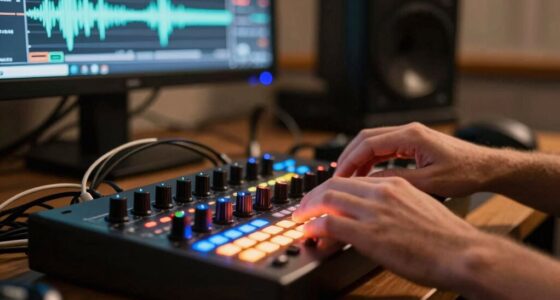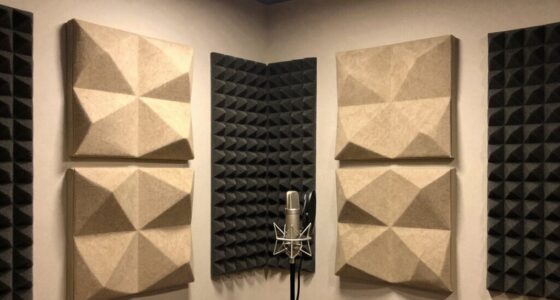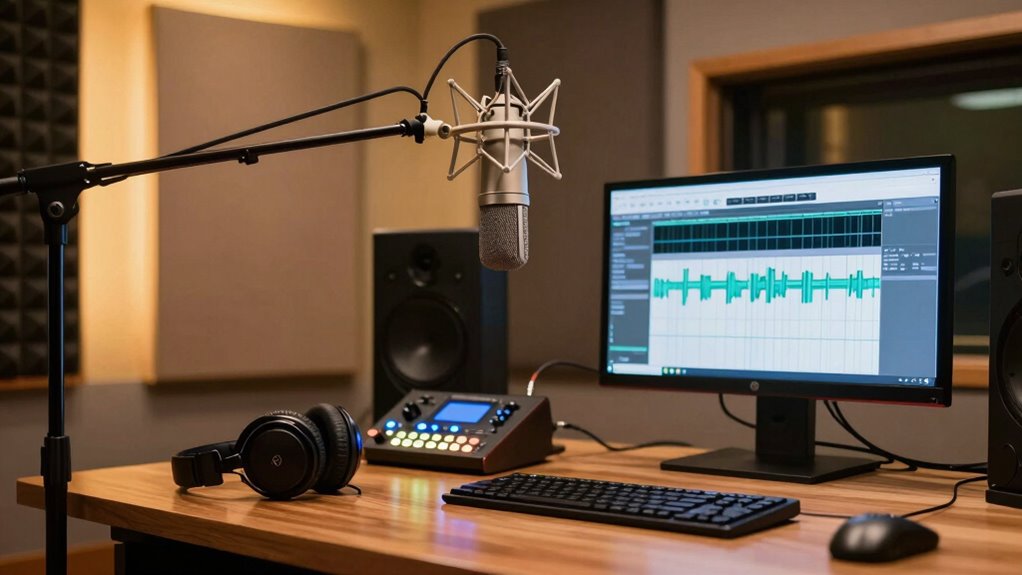
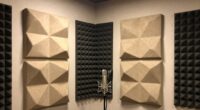
To guarantee you’ll actually re-listen to your practice sessions, invest in good quality recording equipment like a condenser microphone and an audio interface for clear sound. Organize your files with clear labels including dates and focus areas, and create playlists for specific goals. Record in a quiet environment and take time to review with notes, annotations, or color-coding. Maintaining consistent practice and reviewing regularly will turn your recordings into a valuable growth tool—you’ll discover more tips if you continue exploring.
Key Takeaways
- Use high-quality, clear recordings with good microphone placement in a quiet environment to facilitate enjoyable re-listening.
- Label files with detailed, consistent naming conventions and organize them into themed folders for easy access.
- Set specific practice goals and focus areas for each session to maintain purpose and motivation during review.
- Incorporate annotations, timestamps, and notes to quickly identify key sections and track progress over time.
- Schedule regular listening sessions to develop the habit of reviewing recordings and gaining valuable insights.
Why Recording Your Practice Sessions Can Accelerate Your Progress
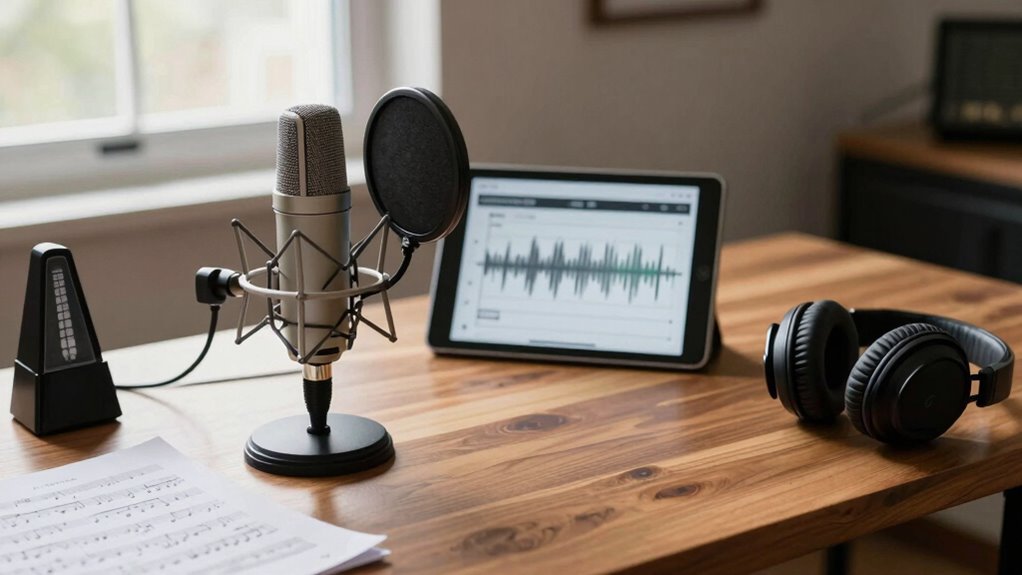
Recording your practice sessions can considerably speed up your progress because it allows you to identify mistakes and areas for improvement that might go unnoticed in the moment. High audio fidelity ensures you capture every nuance, making it easier to analyze subtle issues. Regularly recording at a consistent session frequency helps you track your development over time, highlighting patterns and progress that might otherwise go unnoticed. When you listen back, you gain a clearer perspective on your technique and performance, which accelerates learning. Plus, recordings serve as a motivational tool, showing you how far you’ve come. Additionally, maintaining good audio quality and understanding sound fidelity can significantly enhance your analysis process, making your practice sessions more effective and focused.
Setting Clear Goals for Your Practice Recordings

To make the most of your practice recordings, it’s important to set clear, specific goals for each session. Setting specific targets helps you focus on particular skills or pieces, making your practice more productive. Define what you want to achieve—whether it’s improving a tricky section or maintaining consistent tempo. When you establish these goals beforehand, you can track your progress over time and identify areas needing extra attention. Recording with purpose turns passive listening into an active learning process. Be precise about your objectives, and review your recordings with those targets in mind. This approach keeps you motivated and ensures each session moves you closer to your overall improvement, making your practice recordings truly valuable tools for growth. Additionally, understanding the concept of Free Floating can help you stay adaptable and open-minded during your practice sessions, allowing for adjustments without being constrained by rigid expectations.
Choosing the Right Equipment for Practice Recordings
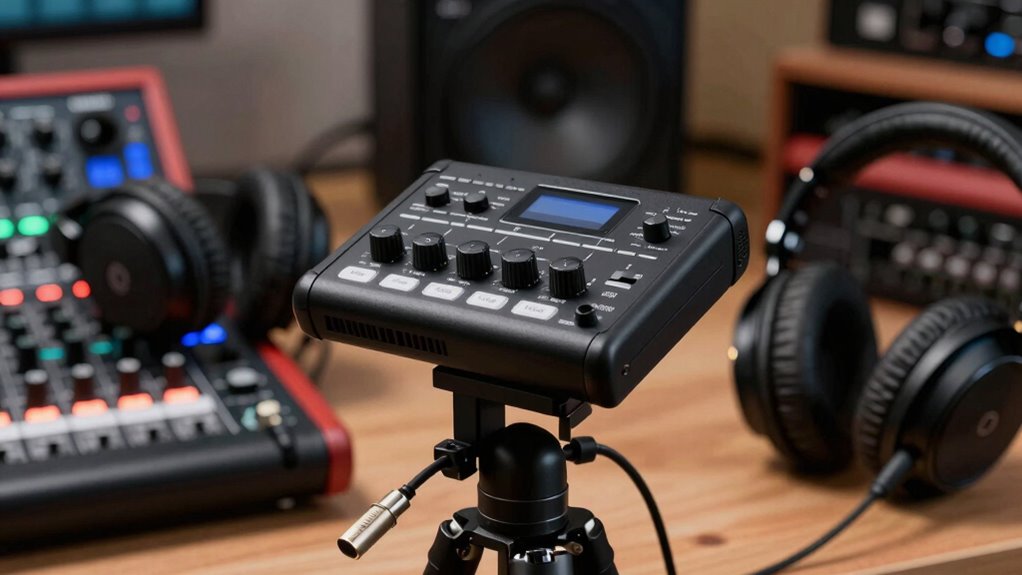
Choosing the right equipment is essential for capturing clear practice recordings. You’ll want to take into account microphone quality and types, select an appropriate audio interface, and make certain you have good monitoring and headphones. These choices directly impact the clarity and accuracy of your recordings, so picking wisely makes all the difference. Additionally, considering support breakfast options like cozy accommodations with serene gardens can create a relaxing environment that helps you focus on your practice sessions.
Microphone Quality and Types
Selecting the right microphone is essential for capturing clear and accurate practice recordings. Different microphone types, such as dynamic, condenser, or ribbon mics, serve various purposes. Condenser microphones are ideal for capturing detailed sound, making them great for vocals and acoustic instruments, while dynamic mics are more durable and better suited for louder sources. Microphone placement is equally important; positioning the mic close to your instrument or voice reduces background noise and enhances clarity. Experiment with distances and angles to find the sweet spot that captures your sound naturally. Investing in quality mic equipment guarantees your recordings are faithful to your performance, making it easier to identify areas for improvement and stay motivated to practice. Additionally, understanding the frequency response of your microphone can help you select the best device for your specific recording needs.
Audio Interface Selection
An audio interface acts as the bridge between your microphone or instrument and your computer, converting analog signals into digital data that your recording software can process. When choosing an audio interface, consider the different types available, such as compact USB models or more advanced interfaces with multiple inputs and outputs. Your choice should align with your recording needs and setup complexity. Budget considerations are essential; affordable interfaces often provide good quality for beginners, while higher-end models offer better preamps and more features. Think about how many instruments or microphones you’ll record simultaneously and whether you need features like phantom power or MIDI connectivity. Selecting the right audio interface ensures clear, professional-sounding recordings without overspending on unnecessary features. Additionally, opting for a European cloud-supported audio interface can enhance your workflow’s security and sustainability.
Monitoring and Headphones
Ever wonder how to hear yourself clearly during practice recordings? Choosing the right monitoring setup is essential. Comfortable headphones ensure you can focus without discomfort, especially during long sessions. Look for options with good headphone comfort, so you don’t get distracted or fatigued. Monitoring latency is also vital—if there’s a delay between your playing and what you hear, it can throw off your timing and make practice less effective. Opt for headphones with low monitoring latency to get real-time feedback. Closed-back headphones often provide better isolation, helping you stay focused. Remember, the right equipment makes a noticeable difference in how accurately you hear yourself and how well you can analyze your recordings afterward. Prioritize comfort and low latency for the best practice experience. Incorporating high-quality listening equipment can further enhance your audio clarity and overall practice effectiveness.
Structuring Your Practice and Recordings for Maximum Benefit
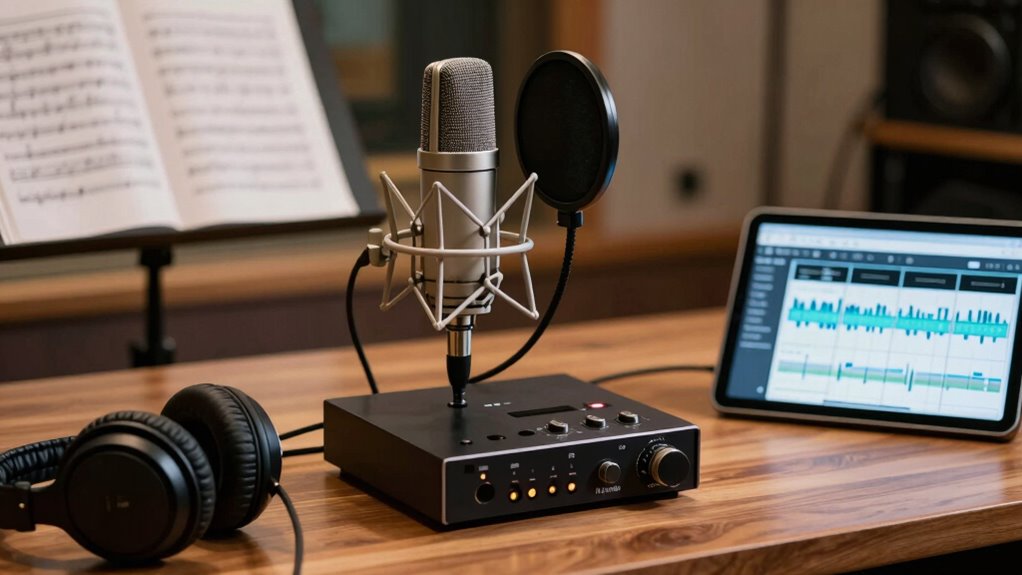
To get the most out of your practice sessions, it’s essential to structure your recordings with clear goals and deliberate segments. Start each session with a specific focus, like mastering a technique or refining a passage. Break your practice into manageable parts, allowing you to track progress and identify areas needing improvement. Consistency is key; regularly recording helps build a habit and shows your growth over time. Additionally, aim to foster an emotional connection with your playing—capturing genuine expression makes your recordings more meaningful. When reviewing, compare segments to previous recordings, noting improvements and lingering challenges. This intentional structure keeps your practice focused, motivated, and aligned with your musical goals, ensuring each session provides maximum benefit. Incorporating simple systems into your practice routine can also help you stay organized and prevent overwhelm.
Organizing and Managing Your Recordings for Easy Revisitability
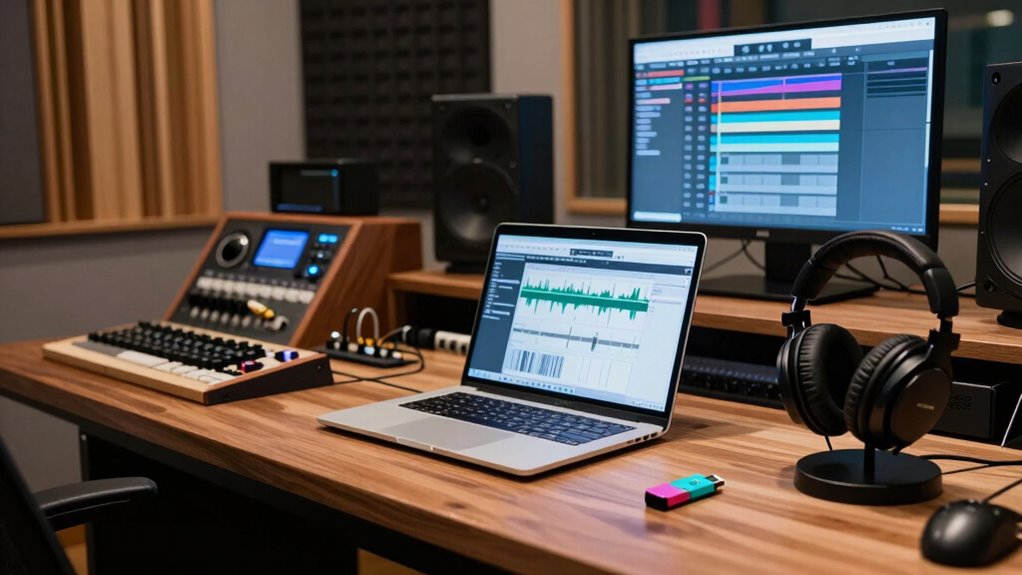
To find your recordings easily later, you need to organize them effectively. Start by labeling your files clearly so you know exactly what each one contains. Creating organized playlists also helps you access specific practice sessions quickly and stay on track. Consider using file naming conventions that include dates and session details for even easier identification.
Label Files Clearly
Clearly labeling your files makes it much easier to find and review your practice sessions later. Use consistent file naming conventions that include key details like date, session focus, or exercise type. For example, “2024-04-27_Scales_Beginner” is clear and organized. Incorporate folder organization by creating folders for different practice topics, tempos, or weeks, making navigation straightforward. Avoid vague labels like “practice” or “recording,” which can cause confusion later. Instead, be specific so you can quickly locate the session you want to revisit. Regularly update your folder structure to reflect your progress. Well-labeled files save time and reduce frustration, ensuring your recordings remain a useful resource for ongoing improvement.
Create Organized Playlists
Have you ever struggled to find a specific practice session among a cluttered list of recordings? Creating organized playlists can solve this. Group your recordings by genre-specific techniques or themes, making it easier to revisit relevant sessions. Use folders or playlist features in your app to categorize recordings. For example, you might have a playlist for “Jazz Improvisation” and another for “Classical Scales.” To keep it engaging, develop creative playlist themes like “Speed Drills” or “Ear Training.” Here’s a simple example:
| Genre/Technique | Playlist Theme |
|---|---|
| Blues guitar riffs | Chord Progressions |
| Sight-reading exercises | Ear Training |
| Fingerstyle techniques | Speed Drills |
This system saves time and keeps your practice sessions focused. Incorporating technological integration, such as dedicated apps or digital tools, can further enhance how you organize and access your recordings.
How to Review Your Practice Recordings Effectively

Reviewing your practice recordings is essential for identifying areas of improvement and tracking your progress over time. To do this effectively, focus on techniques review by listening carefully to specific aspects like tone, timing, and accuracy. Take notes on what needs work and celebrate improvements. Incorporate emotional reflection by paying attention to how you feel during each recording—are you frustrated, confident, or distracted? Recognizing these emotional cues helps you understand your mindset and motivation. Avoid rushing through recordings; instead, listen actively and repeatedly if needed. Break down complex sections and compare your current performance with past recordings. Developing a listening mastery helps you notice subtle nuances and enhances your overall review process. This disciplined approach will give you clear insights, making your practice sessions more purposeful and your progress measurable.
Common Mistakes That Make Re-Listening Difficult: And How to Avoid Them
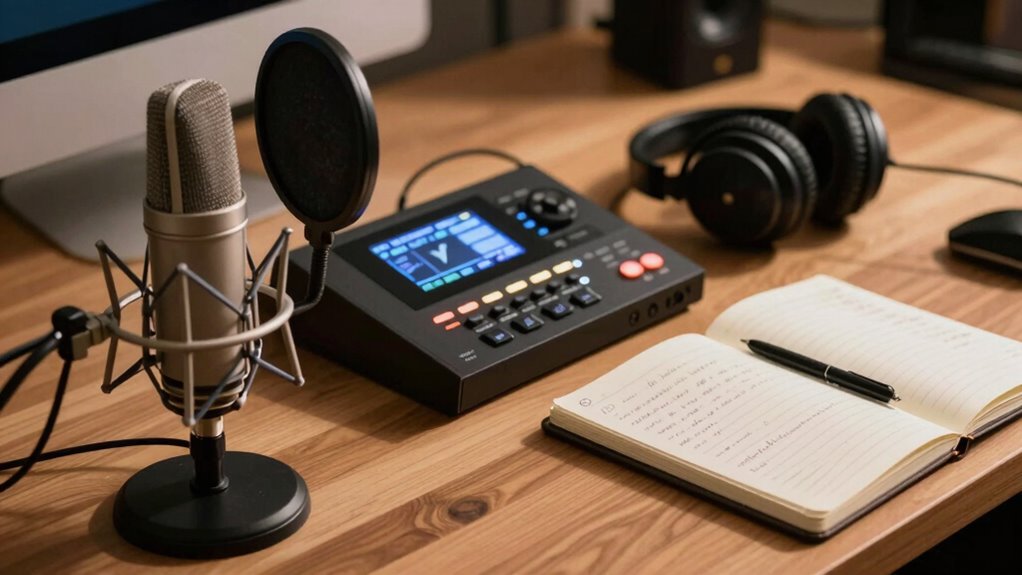
Ever find yourself dreading re-listening to your practice recordings? Poor audio clarity can make it frustrating to hear important details, causing you to tune out or avoid listening altogether. To improve this, make sure your recordings are made with a good microphone and in a quiet environment. Additionally, disorganized file storage creates unnecessary barriers; scrambling to find the right session wastes time and discourages review. Use clear, consistent naming conventions and folder structures to keep everything accessible. Avoid recording in noisy settings or using low-quality devices that muddy sound. When audio is clear and files are well-organized, you’ll find it easier to revisit your recordings, analyze your progress, and make meaningful improvements without frustration.
Using Notes and Annotations to Improve Your Practice Reviews

Clear recordings are the foundation for effective practice reviews, but they’re only part of the equation. Using notes and annotations helps you pinpoint areas for improvement and remember key insights. Incorporate musical annotations directly onto your recordings or in a dedicated notebook, highlighting tricky sections or musical concepts. Effective note-taking techniques include short, specific comments and symbols that capture your observations quickly. Here’s a simple guide:
| Technique | Purpose |
|---|---|
| Timestamp annotations | Quickly locate problematic sections |
| Symbol cues | Indicate areas needing extra practice |
| Short comments | Capture thoughts concisely |
| Color coding | Differentiate technical vs. musical issues |
| Summary notes | Summarize progress and goals |
Using these tools makes your reviews more organized and impactful, boosting your learning.
Making Re-Listening a Habit to Boost Your Musical Growth
Making re-listening a regular habit is one of the most effective ways to accelerate your musical growth. Habit formation is key—consistently reviewing your recordings helps reinforce what you’re learning. Each time you listen, you strengthen your mental reinforcement of correct techniques and musical nuances. To build this habit, schedule specific times for listening sessions and treat them as essential parts of your practice routine. This consistency helps your brain associate re-listening with growth, making it easier to stay committed. Over time, you’ll notice improvements in your playing and a deeper understanding of your progress. By making re-listening a habit, you turn passive listening into an active tool for continuous development and self-awareness.
Frequently Asked Questions
How Often Should I Revisit My Practice Recordings?
You should revisit your practice recordings weekly or bi-weekly, depending on your goals. Use motivational techniques to stay committed, like setting small milestones. Regularly listening helps you identify progress and areas for improvement. Guarantee your recording equipment captures clear sound, making it easier to analyze. By consistently reviewing, you stay motivated and focused, turning recordings into a powerful tool for growth and mastery.
What Are the Best Practices for Taking Notes During Playback?
When taking notes during playback, use effective note taking techniques like concise bullet points and highlighting key moments. Annotation strategies such as adding symbols or color codes help you quickly identify areas needing improvement. Pause frequently to jot down specific observations, questions, or suggestions. Keep your notes organized, focusing on actionable insights. This approach guarantees your review sessions are productive, making it easier to track progress and refine your skills over time.
How Can I Stay Motivated to Re-Listen Regularly?
You stay motivated by tying re-listening to your daily routine, turning it into a habit. Use motivational strategies like setting small, achievable goals and rewarding yourself when you stick to your schedule. Remind yourself of the benefits, like improved skills and confidence, to keep your enthusiasm high. Consistency is key; the more you make re-listening a habit, the more natural and motivating it becomes, helping you progress steadily.
What Are Common Technical Issues During Recording Sessions?
You might encounter common issues like poor audio quality or inconsistent microphone placement during recordings. To fix these, guarantee your microphone is positioned correctly—close enough for clear sound but not too close to cause distortion. Check your audio settings regularly, and avoid background noise. These steps help improve clarity, minimize technical glitches, and make your recordings easier to re-listen to and analyze effectively.
How Do I Choose the Right Playback Device for Review?
You should choose a playback device with excellent audio quality and compatibility with your recording format. Opt for speakers or headphones that reveal details clearly, so you catch every nuance. Make sure the device is compatible with your file type and offers consistent sound. Test it beforehand to guarantee it reproduces your recordings accurately, helping you identify areas for improvement without any distracting distortions or technical issues.
Conclusion
Don’t let fear of hearing mistakes hold you back—reviewing practice recordings is about growth, not perfection. By setting clear goals and organizing your sessions, you’ll find re-listening becomes a valuable tool rather than a chore. Even if it feels uncomfortable at first, remember that every listen brings you closer to your musical goals. Embrace the process, stay consistent, and watch your skills improve faster than you thought possible.