
To make your rehearsals feel more intentional fast, start by setting clear, specific goals for each session. Focus on content analysis to identify areas needing improvement and tailor activities to those needs. Prioritize audience engagement by practicing emotionally connecting with your listeners and simulating reactions. Manage your time wisely with schedules and deadlines, avoiding unnecessary drills. Consistently review your progress and adjust accordingly. Keep these strategies in mind, and you’ll discover more effective ways to make every rehearsal purposeful.

Get audio and creator gear delivered free with Prime
- Fast, free delivery on millions of items
- Prime Video, Amazon Music and more included
- Member-only deals all year
Key Takeaways
- Define clear, specific goals for each rehearsal to maintain focus and purpose.
- Incorporate content analysis to target areas needing improvement efficiently.
- Practice with audience engagement in mind to enhance emotional connection.
- Allocate time strategically, prioritizing meaningful exercises over routine drills.
- Record and review rehearsals to assess progress and adjust efforts accordingly.
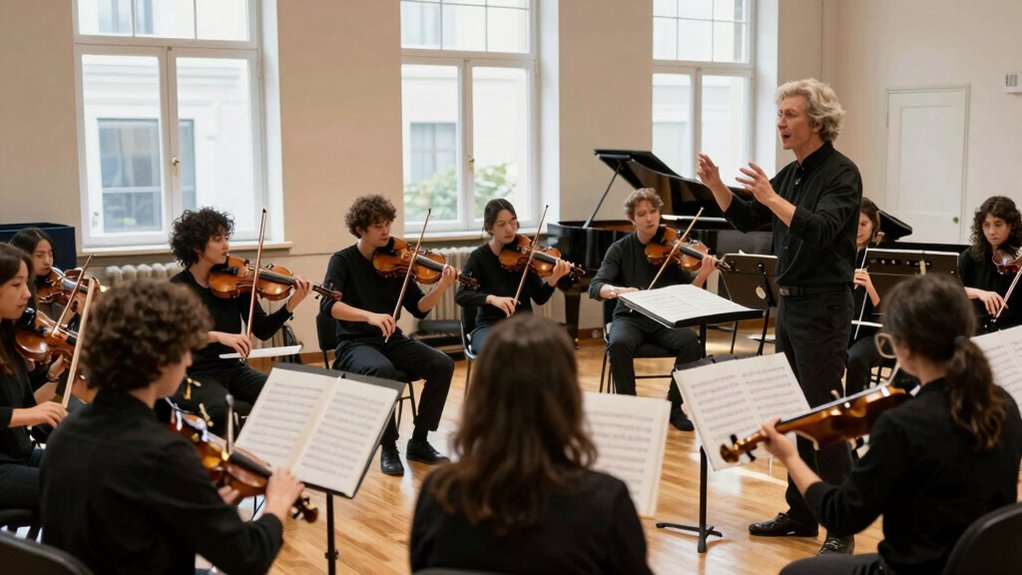
Rehearsals are the backbone of a successful performance, but too often, they become routine rather than purposeful. If you want to make your rehearsals more effective, the key lies in sharpening your focus on what truly matters. One of the fastest ways to do this is by intentionally designing each session around specific goals that boost both audience engagement and your time management. Instead of running through the same scenes aimlessly, plan each rehearsal with a clear purpose, whether it’s refining a tricky transition or experimenting with emotional delivery. When you approach rehearsals with intent, every minute counts, and you avoid wasting time on activities that don’t move you closer to your performance goals. Incorporating content analysis into your rehearsal planning helps identify areas that require more attention and ensures your practice sessions are targeted and productive. Audience engagement is a crucial element that you should keep at the forefront of every rehearsal. If you want your performance to resonate, you need to rehearse with the audience in mind. This means practicing not just your lines or movements but also how you connect emotionally with your listeners. Use exercises that simulate audience reactions or record your rehearsals so you can watch them later and assess your level of engagement. When you’re conscious of how your performance impacts your audience, you naturally adjust your delivery to be more compelling. This intentional focus ensures your rehearsals aren’t just about getting through the motions—they’re about creating a performance that captivates from start to finish. Additionally, understanding performance goals helps keep your rehearsal focus aligned with your overall objectives, making each session more meaningful. Recognizing the importance of focused practice can significantly enhance the efficiency of your preparation. Incorporating effective planning into your rehearsal routine allows you to allocate your time more strategically, ensuring that every aspect of your performance receives adequate attention. Setting clear priorities can also help you stay motivated and avoid feeling overwhelmed by your to-do list. Time management plays an equally vital role in making rehearsals more purposeful. You should allocate specific time slots for each segment of your practice, sticking to them as strictly as possible. This discipline prevents you from lingering on parts that are already solid and neglecting sections that need more work. Use timers or schedules to stay on track, and review your progress at the end of each session to identify what’s improved and what still needs attention. By managing your rehearsal time wisely, you maximize productivity and maintain momentum, avoiding burnout or frustration. Ultimately, making rehearsals more intentional doesn’t mean overloading your schedule with endless drills. It’s about being strategic, always keeping your goals—and your audience—in mind. When you plan with purpose, focus on engaging your audience emotionally, and manage your time effectively, your rehearsals become a powerful tool for creating a performance that’s polished, authentic, and memorable. This focused approach transforms routine practice into a meaningful process that propels you toward your best performance yet.
audience engagement rehearsal exercises
As an affiliate, we earn on qualifying purchases.
As an affiliate, we earn on qualifying purchases.
Frequently Asked Questions
How Can I Motivate My Team to Stay Focused During Rehearsals?
To keep your team focused during rehearsals, foster a sense of team accountability by clearly defining roles and goals, making everyone feel responsible for the progress. Boost creative engagement by encouraging input and ideas, which keeps everyone invested. Maintain a lively atmosphere, celebrate small wins, and remind your team of the shared vision. This combination motivates your team to stay attentive, motivated, and committed throughout the rehearsal process.
What Are Some Common Mistakes to Avoid in Intentional Rehearsals?
Avoid overplanning rehearsals, which can lead to distractions and rigid routines, making sessions less effective. Don’t assume every detail needs to be locked in; leave room for flexibility and spontaneous creativity. Steer clear of multitasking or allowing side conversations that divert focus. Instead, stay engaged with clear goals and structured timing. This keeps rehearsals purposeful, preventing the trap of overplanning that hampers genuine progress.
How Do I Tailor Rehearsals for Different Skill Levels?
You tailor rehearsals for different skill levels by incorporating personalized coaching that targets each player’s unique needs. Use skill-specific drills to challenge advanced players while providing foundational support for beginners. Adjust the intensity and complexity based on individual progress, ensuring everyone stays engaged and improves. Regularly assess their development and modify activities accordingly, creating an inclusive environment that promotes growth for all skill levels.
What Tools Can Help Track Rehearsal Progress Effectively?
You can track rehearsal progress effectively using performance metrics and feedback tools. Performance metrics help you quantify improvements, like timing, accuracy, and consistency, giving clear benchmarks. Feedback tools, such as video recordings or apps that allow real-time comments, enable you to identify areas for growth instantly. Combining these methods keeps rehearsals focused and intentional, ensuring you measure progress accurately and adjust your approach to maximize effectiveness.
How Long Should Each Rehearsal Session Ideally Last?
You should aim for rehearsal sessions lasting about 60 to 90 minutes to maintain focus and energy. Some might think longer sessions are better, but a well-managed time frame creates a more effective rehearsal environment. Proper time management prevents fatigue and keeps everyone engaged. If sessions are too long, focus wanes; too short, and progress stalls. Find your ideal balance to maximize productivity and keep rehearsals intentional.
performance review recording device
As an affiliate, we earn on qualifying purchases.
As an affiliate, we earn on qualifying purchases.
Conclusion
Think of rehearsals as tending a garden; each deliberate act of watering, pruning, and nurturing helps your performance blossom. When you make your rehearsals intentional, you’re planting seeds of growth that will flourish on stage. With patience and focus, you’ll watch your confidence bloom and your skills ripen. Remember, the more care you give now, the more vibrant and resilient your performance will become—transforming your practice into a true masterpiece.
content analysis tools for actors
As an affiliate, we earn on qualifying purchases.
As an affiliate, we earn on qualifying purchases.
As an affiliate, we earn on qualifying purchases.
Halloween Picks
halloween
As an affiliate, we earn on qualifying purchases.