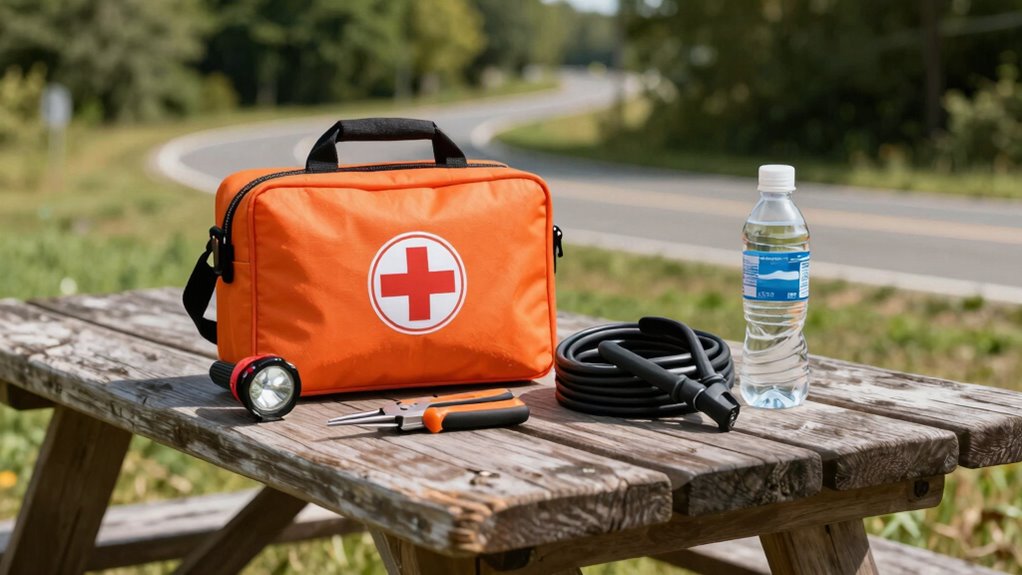
To make a simple road trip emergency kit, gather essentials like a first aid kit with bandages and antiseptic wipes, a flashlight with extra batteries, and basic tools such as a multi-tool and jumper cables. Pack water, snacks, blankets, and a fully charged cell phone with a portable charger. Include warning triangles or flares for roadside safety and keep important documents like insurance info handy. Keep everything organized and accessible for peace of mind—if you want to learn more, just keep going.
Key Takeaways
- Include basic vehicle safety items: spare tire, jack, jumper cables, and fluid levels check.
- Pack essential first aid supplies: bandages, antiseptic wipes, medications, and a flashlight.
- Bring water, snacks, blankets, and a fully charged phone with a portable charger for comfort and communication.
- Add roadside safety tools: warning triangles, reflective flares, and a multi-tool for emergencies.
- Keep important documents: insurance info, emergency contacts, and maps in an accessible place.
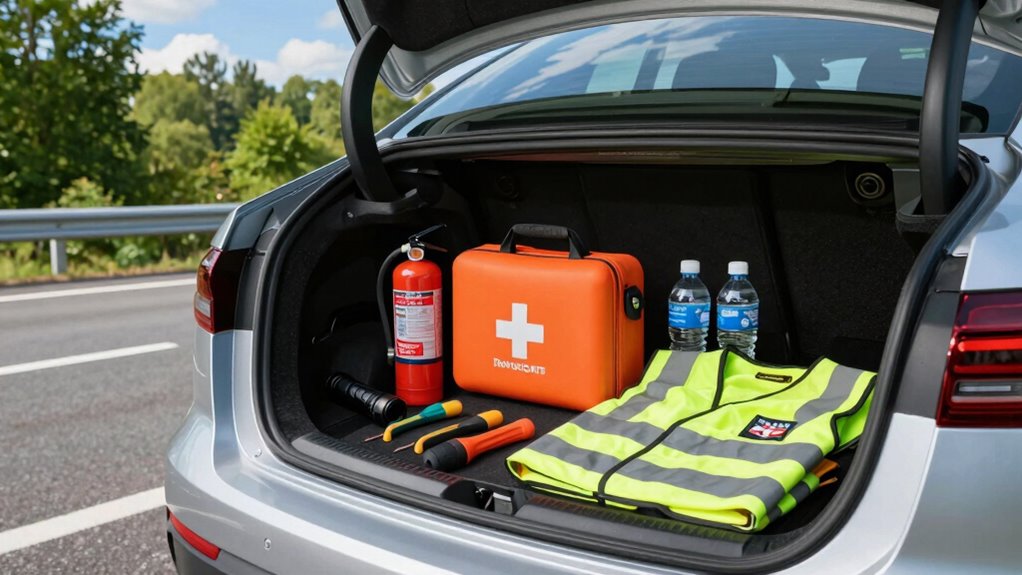
Planning a road trip can be exciting, but it’s essential to be prepared for unexpected situations along the way. Having a well-stocked emergency kit can make all the difference if something goes wrong. Start by focusing on vehicle safety; your car is your primary tool for the journey, so ensuring it’s road-ready is crucial. Check your tires, brakes, and fluid levels before hitting the road. Keep a spare tire, jack, and lug wrench accessible in case of a flat. Having these essentials means you can swap out a damaged tire quickly and safely, avoiding unnecessary delays or dangerous situations. Also, include jumper cables and a portable battery pack to jump-start your vehicle if the battery dies unexpectedly. These small items can prevent a minor issue from turning into a major problem, especially when you’re far from help.
Next, pack the essentials that will keep you safe and comfortable during emergencies. First aid supplies are a must; include bandages, antiseptic wipes, pain relievers, and any necessary personal medications. These can help treat minor injuries or illnesses until professional help is available. Don’t forget to pack a flashlight with extra batteries—power outages or low-light situations are common, and being able to see clearly can prevent accidents. A multi-tool or Swiss Army knife is versatile and useful for a variety of tasks, from fixing minor gear issues to opening cans. Bring along reflective warning triangles or roadside flares to alert other drivers if you pull over or experience trouble. These items improve visibility and safety during roadside stops or breakdowns.
In addition to vehicle safety gear, pack essential supplies that can sustain you if you’re stranded or stuck in traffic for hours. Water, non-perishable snacks, and some blankets can keep you comfortable if you’re delayed unexpectedly. A fully charged cell phone and portable charger are indispensable for communication and navigation. Consider downloading offline maps or having a physical map as a backup, just in case your GPS fails. Always include a list of emergency contacts and insurance information in your kit, so you’re ready to handle situations that require quick access to documentation. Lastly, pack some cash or small bills—many roadside services and ATMs might not accept cards during emergencies. Additionally, being aware of basic first aid and safety procedures can be invaluable in managing minor injuries until professional help arrives, which is why first aid knowledge is an important aspect of your preparedness.
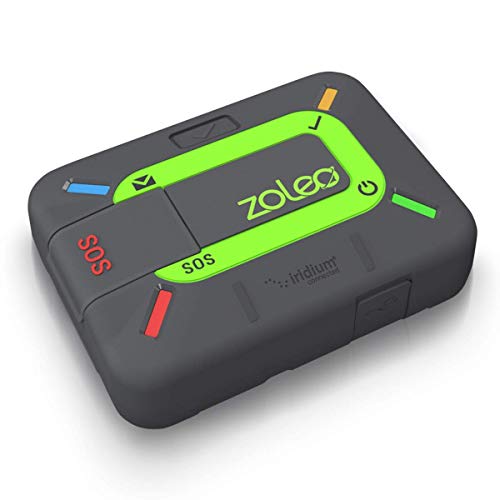
ZOLEO Satellite Communicator – Two-Way Global SMS Text Messenger & Email, Emergency SOS Alerting, Check-in & GPS Location – Android iOS Smartphone Accessory
Global satellite messaging: Stay connected beyond cell coverage, use ZOLEO with your smartphone to transmit text messages and...
As an affiliate, we earn on qualifying purchases.
Frequently Asked Questions
What Items Are Essential for a Roadside Emergency Kit?
You need first aid essentials like bandages, antiseptic wipes, and pain relievers, along with roadside tools such as jumper cables, a flashlight, and a tire pressure gauge. Make sure to include a basic tool kit, reflective warning triangles, and a phone charger. These items help you handle minor injuries and mechanical issues, ensuring you’re prepared for unexpected situations on the road and can stay safe until help arrives or repairs are made.
How Often Should I Update My Emergency Kit?
You should update your emergency kit at least every six months, even if you haven’t used it, because vehicle maintenance can cause items to degrade or expire. Regularly check your supplies, including travel insurance documents, to guarantee they’re current and functional. Don’t wait for an emergency to realize your kit is outdated—staying proactive helps you handle unexpected situations confidently and keeps your trip safer.
Can I Customize My Kit for Different Weather Conditions?
Yes, you can customize your emergency kit for different weather conditions. You should add weather-specific gear like extra blankets and warm clothing for cold seasons or sunscreen and hydration supplies for hot weather. Make seasonal adjustments, such as including snow chains in winter or insect repellent in summer. Regularly update your kit to verify all gear is functional and suited to the current weather, keeping you prepared no matter the conditions.
Is a First Aid Kit Necessary for My Road Trip?
Think of your road trip as a voyage across unpredictable seas—having a first aid kit is your life raft. It’s crucial for vehicle maintenance mishaps and unforeseen injuries, ensuring you’re prepared for emergencies. Proper travel planning includes packing this essential item, so you can navigate rough waters confidently. Without it, you risk being unprepared, turning a minor incident into a major ordeal. Stay safe, and always bring a first aid kit along.
What Should I Do if I Run Out of Supplies?
If you run out of supplies, stay calm and use your backup power sources, like a portable charger, to keep your phone charged. Contact your emergency contacts to inform them of your situation and seek advice if needed. Consider stopping at a nearby store or gas station to restock essential items. Always prioritize safety, and remember, having a plan for emergencies guarantees you’re prepared for unexpected situations on the road.

ACR Bivy Stick Satellite Communicator - Two-Way Global SMS, GPS Tracker, Off-Grid Communication, SOS Emergency Beacon, Satellite Messenger & Location Sharing - iOS/Android App
Global Iridium Satellite Coverage: Stay connected anywhere on Earth with 100% global Iridium satellite coverage for two-way SMS,...
As an affiliate, we earn on qualifying purchases.
Conclusion
Your emergency kit is more than just a collection of supplies; it’s a beacon of safety guiding you through life’s unexpected storms. Like a lighthouse standing firm against the dark, it symbolizes preparedness and peace of mind on your journey. By assembling this kit, you hold the power to navigate challenges confidently, turning uncertainty into reassurance. Remember, in the chaos of the road, your kit lights the way—a steady symbol of security amidst the unknown.

ZOLEO Satellite Communicator – Two-Way Global SMS Text Messenger & Email, Emergency SOS Alerting, Check-in & GPS Location – Android iOS Smartphone Accessory (Renewed)
Explore with confidence with a Certified Refurbished ZOLEO Satellite Communicator. With a recycled Iridium modem and a 1-year...
As an affiliate, we earn on qualifying purchases.

Spot X with Bluetooth 2-Way Satellite Messenger | SOS Protection | Handheld Portable 2-Way GPS Messenger for Hiking, Camping, Cars| Globalstar Satellite Network Coverage | Subscription Applicable
SYNC WITH BLUETOOTH: Connect to SpotX to cellphone so you can communicate with family or even search and...
As an affiliate, we earn on qualifying purchases.