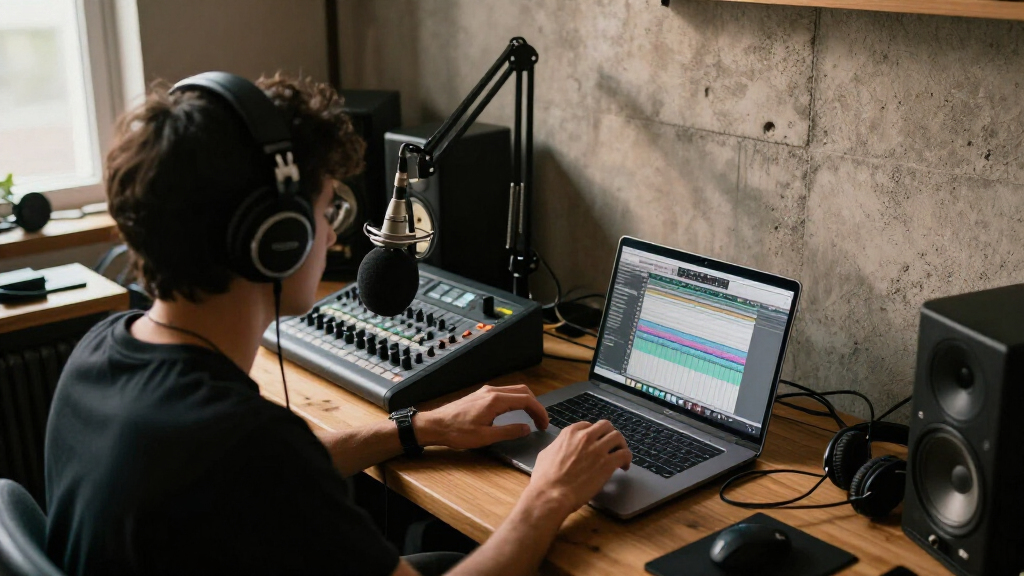
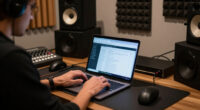
The best studio headphones for creators balance accurate sound, dependable isolation, and enough comfort for long recording or editing sessions. I rank the beyerdynamic DT 770 Pro 32 Ohm as the best overall because its closed-back design suits tracking, production, and everyday monitoring without demanding a powerful amplifier. The Sony MDR-M1 is my premium pick for buyers prioritizing reference work, while the Audio-Technica ATH-M30x offers beginners a more approachable entry point. The main choice is between isolation and openness, with added tradeoffs involving tonal accuracy, portability, amplification, and wireless convenience. Continue reading for the full breakdown and a clear match for each type of creator.

Get audio and creator gear delivered free — and shop member deals
- Fast, free delivery on millions of items
- Access to Prime Big Deal Days deals on October 6–7
- Prime Video, Amazon Music and more included
Complete the kit


Key Takeaways
- The DT 770 Pro 32 Ohm has the strongest all-purpose balance: it combines closed-back isolation, accessible power requirements, and a durable studio-oriented design.
- The Sony MDR-M1 earns the premium position through its reference-focused design, but its higher price is harder to justify for casual editing or basic recording.
- The ATH-M30x is the clearest beginner choice, while the AKG K240 Studio offers better spaciousness for budget mixing at the cost of sound leakage.
- Open and semi-open models are specialist tools here: the DT 990 Pro X favors detailed mixing, whereas the closed DT 770 Pro is more practical around microphones.
- The Momentum 4 is the convenience pick, not the accuracy leader; wireless operation and noise cancellation help mobile creators, but Bluetooth processing weakens its case for final mix decisions.
| beyerdynamic DT 770 Pro (32 Ohm) |  | Best Overall | Impedance: 32 Ohm | Acoustic Design: Closed-back | Fit: Over-ear | VIEW LATEST PRICE | See Our Full Breakdown |
| EKSA Wired Over-Ear Headphones |  | Best for DJ-Style Monitoring | Driver Size: 50 mm | Magnet Type: Neodymium | Fit: Over-ear | VIEW LATEST PRICE | See Our Full Breakdown |
| Audio-Technica ATH-M50X | 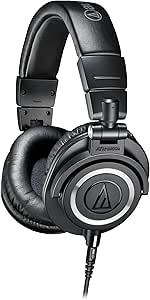 | Best for Multi-Role Creators | Driver Size: 45 mm | Acoustic Design: Closed-back | Fit: Circumaural | VIEW LATEST PRICE | See Our Full Breakdown |
| Sony MDR7506 Professional Large Diaphragm Headphones |  | Best for Dialogue Editing | Driver Size: 40 mm | Magnet Type: Neodymium | Frequency Response: 10 Hz to 20 kHz | VIEW LATEST PRICE | See Our Full Breakdown |
| Audio-Technica ATH-M30x |  | Best Value Pick | Driver Size: 40 mm | Acoustic Design: Closed-back | Fit: Circumaural | VIEW LATEST PRICE | See Our Full Breakdown |
| beyerdynamic DT 990 Pro X | 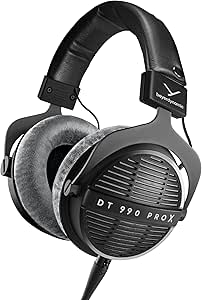 | Best Open-Back for Mixing | Design: Open-back, circumaural | Impedance: 48Ω | Frequency response: 5–40,000 Hz | VIEW LATEST PRICE | See Our Full Breakdown |
| AKG K240 Studio |  | Best Budget Semi-Open Pick | Design: Semi-open, over-ear | Driver: 30 mm XXL transducer | Diaphragm: Varimotion | VIEW LATEST PRICE | See Our Full Breakdown |
| Sony MDR-M1 | 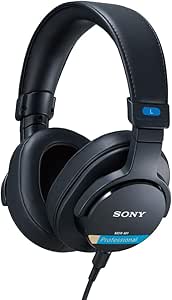 | Best Closed-Back Reference | Design: Closed-back, over-ear | Frequency response: 5 Hz–80 kHz | Weight: 216 g | VIEW LATEST PRICE | See Our Full Breakdown |
| Sennheiser Momentum 4 Wireless |  | Best Wireless for Mobile Creators | Connectivity: Bluetooth and analog audio cable | Battery life: Up to 60 hours | Noise control: Adaptive active noise cancellation | VIEW LATEST PRICE | See Our Full Breakdown |
More Details on Our Top Picks
beyerdynamic DT 770 Pro (32 Ohm)
I rank the beyerdynamic DT 770 Pro first because its combination of strong acoustic isolation, lasting comfort, and repairable construction fits the widest range of creator workflows. The 32-ohm load is easier to drive from laptops, portable recorders, and audio interfaces than many studio-focused headphones. Compared with the Audio-Technica ATH-M50X, this model places greater emphasis on isolation and long-term serviceability, though the fixed cable is less convenient. Its closed-back design suits tracking, podcast editing, and video work where sound leakage can spoil a recording. The tradeoff is that sensitive, high-output studio gear may reveal noise or provide too much volume too quickly. Creators wanting an open, spacious presentation should favor the beyerdynamic DT 990 Pro X instead.
Pros:- Closed-back construction provides strong isolation during recording
- 32-ohm impedance works well with portable and studio sources
- Lightweight over-ear fit supports longer editing sessions
- Replaceable parts extend its useful working life
Cons:- Fixed cable is harder to replace or pack than the ATH-M50X cable system
- Low impedance can be overly sensitive with high-output studio equipment
- Closed presentation is less spacious than the DT 990 Pro X
Best for: Recording musicians, podcasters, and video creators who need dependable isolation from laptops, portable recorders, or modest audio interfaces
Not ideal for: Mix engineers seeking an open, speaker-like soundstage or studios using powerful headphone amplifiers that pair better with higher-impedance models
- Impedance:32 Ohm
- Acoustic Design:Closed-back
- Fit:Over-ear
- Cable Length:1.6 m (5 ft)
- Connector:3.5 mm jack with 1/4-inch adapter
- Cable Style:Straight, fixed
- Construction:Handcrafted in Germany with replaceable parts
- Color:Black
Our verdict“This is my first choice for creators who need isolation, easy device pairing, and repairable construction in one dependable studio headphone.”
EKSA Wired Over-Ear Headphones
I place the EKSA Wired Over-Ear Headphones in the DJ-focused slot because their 90-degree swiveling ear cups make one-sided cueing easier than with the beyerdynamic DT 770 Pro. The 50mm drivers promise forceful bass and clear vocals, which can help creators follow rhythm tracks or monitor live sets in noisy rooms. That energetic presentation is less compelling for neutral mix decisions: the Audio-Technica ATH-M30x puts more attention on midrange detail, while the Sony MDR7506 provides a more established reference-oriented profile. Broad 3.5mm and 6.35mm compatibility adds practical flexibility across controllers, interfaces, and computers. Still, the bulky build is not ideal for travel, and wired-only operation limits casual use. I see it as a specialized cueing tool rather than the lineup’s most dependable mixing reference.
Pros:- Rotating ear cups support convenient single-ear cueing
- 50mm drivers deliver an energetic bass presentation
- Padded ear cushions and adjustable headband aid session comfort
- Both 3.5mm and 6.35mm connections suit varied creator equipment
Cons:- Bass emphasis may make balanced mix judgments harder
- Bulky construction is less travel-friendly than the Sony MDR7506
- Wired-only operation offers little flexibility away from studio gear
Best for: Beginner DJs, beat makers, and home creators who want swiveling ear cups, bass-forward monitoring, and broad wired-device compatibility
Not ideal for: Mix engineers needing a neutral reference or mobile creators who want a compact design and wireless listening
- Driver Size:50 mm
- Magnet Type:Neodymium
- Fit:Over-ear
- Earcup Rotation:90 degrees
- Connectivity:Wired
- Audio Connections:3.5 mm and 6.35 mm jacks
- Headband:Adjustable
- Warranty:24 months
Our verdict“This pick makes the most sense for DJs and beat creators who value one-ear monitoring and punchy playback over strict tonal neutrality.”
Audio-Technica ATH-M50X
I give the Audio-Technica ATH-M50X the versatility role because its detachable cable system, solid isolation, and swiveling ear cup adapt easily to recording, editing, and mobile production. Its 45mm drivers deliver more bass weight than the ATH-M30x, making this the more engaging choice for beat production and everyday listening. The M30x remains the better value for dialogue editors who care more about midrange clarity than low-end reach. Against the beyerdynamic DT 770 Pro, the ATH-M50X is easier to pack and maintain at the cable level, but its heavier, bulkier fit may become tiring sooner. I rank it below the DT 770 Pro because comfort and replaceable construction matter more across long creator sessions. It remains the stronger all-purpose option for buyers who frequently switch locations and tasks.
Pros:- 45mm drivers provide clear detail with substantial bass extension
- Detachable cable improves packing and replacement flexibility
- Swiveling ear cup supports quick one-sided monitoring
- Closed circumaural fit reduces outside distraction
Cons:- Bass weight can encourage conservative low-end mix decisions
- Bulkier fit may be tiring during long editing sessions
- Costs more than the ATH-M30x without offering a strictly neutral upgrade
Best for: Independent producers, videographers, and content creators who want one portable wired headphone for tracking, editing, and casual playback
Not ideal for: Creators sensitive to clamp or bulk during long sessions, and mix engineers who want a restrained low-frequency presentation
- Driver Size:45 mm
- Acoustic Design:Closed-back
- Fit:Circumaural
- Earcup Swivel:90 degrees
- Cable:Detachable
- Connectivity:Wired
- Intended Use:Professional studio monitoring
- Color:Black
Our verdict“I recommend the ATH-M50X to creators who need a flexible, portable workhorse and accept extra bass weight and physical bulk.”
Sony MDR7506 Professional Large Diaphragm Headphones
I assign the Sony MDR7506 to dialogue editing because its detailed upper-frequency presentation can expose hiss, mouth noise, and rough cuts that warmer headphones may soften. That makes it a practical choice for podcast, film, and broadcast work. Compared with the Audio-Technica ATH-M50X, the Sony is lighter to transport and less focused on deep bass impact; the ATH-M50X is more satisfying for beat-driven production. The long 9.8-foot cord suits a fixed desk or recording booth, but it becomes cumbersome beside a laptop, and its non-detachable design makes cable failure harder to remedy. Isolation is useful rather than exceptional, leaving the DT 770 Pro ahead for microphone tracking. I rank the MDR7506 as a focused editing instrument: revealing and portable, yet less adaptable across devices and environments.
Pros:- Detailed sound helps reveal hiss, clicks, and dialogue problems
- Foldable frame is convenient for location recording kits
- 40mm neodymium drivers provide clear, powerful monitoring
- Long cable works well across desks and recording booths
Cons:- Non-detachable 9.8-foot cord is awkward for mobile setups and difficult to replace
- Isolation trails the beyerdynamic DT 770 Pro during microphone tracking
- Revealing upper frequencies may become fatiguing during long sessions
Best for: Podcast editors, location sound recordists, and video post-production creators who need flaws in speech and recordings to remain easy to hear
Not ideal for: Mobile laptop creators bothered by long fixed cables or recording artists who need the strongest possible isolation near live microphones
- Driver Size:40 mm
- Magnet Type:Neodymium
- Frequency Response:10 Hz to 20 kHz
- Acoustic Design:Closed ear
- Cord Length:9.8 feet
- Cord:Non-detachable
- Connector:Gold-plated 1/4-inch connection
- Foldable:Yes
Our verdict“The MDR7506 is my dialogue-editing pick for creators who favor revealing detail and portability over cable convenience and maximum isolation.”
Audio-Technica ATH-M30x
I choose the Audio-Technica ATH-M30x as the value pick because its clear midrange and closed circumaural fit cover the fundamentals of voice editing, basic tracking, and home production without paying for the ATH-M50X’s larger drivers or detachable cable. Speech, guitars, and other mid-focused material are easier priorities here than powerful sub-bass, so electronic producers may find the ATH-M50X more useful. The collapsible frame also travels more easily than the bulky EKSA model, although the fixed single-sided cable still takes up space in a bag. Comfort can vary over extended sessions, which keeps this below the DT 770 Pro for creators working all day. I see the M30x as a sensible first serious monitor: capable enough for learning and editing, with clear limits in bass depth, cable serviceability, and long-session comfort.
Pros:- Midrange clarity supports speech and instrument editing
- Circumaural design provides useful isolation in home studios
- Collapsible frame is easy to store and transport
- Lower-cost positioning offers a practical entry into studio monitoring
Cons:- Low-bass depth trails the ATH-M50X for beat production
- Fixed cable is less serviceable and travel-friendly
- Comfort may decline during prolonged editing sessions
Best for: Budget-conscious podcast editors, students, and home-studio beginners working mainly with vocals, acoustic instruments, and basic tracking
Not ideal for: Bass-focused producers, all-day editors needing premium comfort, or traveling creators who require an easily replaceable detachable cable
- Driver Size:40 mm
- Acoustic Design:Closed-back
- Fit:Circumaural
- Cable:Fixed, single-side exit
- Connectivity:Wired
- Foldable:Yes
- Sound Focus:Midrange clarity
- Color:Black
Our verdict“I recommend the ATH-M30x as an affordable starting point for voice and home-studio work, provided deep bass and all-day comfort are not priorities.”
beyerdynamic DT 990 Pro X
I rank the beyerdynamic DT 990 Pro X as the strongest mixing-focused option here because its open-back soundstage makes placement, ambience, and stereo width easier to judge. Its 48-ohm impedance is also friendlier to audio interfaces and laptops than many high-impedance studio designs. Compared with the closed-back Sony MDR-M1, it offers a more spacious presentation but provides almost no protection from room noise or microphone bleed. The extended 5–40,000 Hz response supports detailed editing, while the velour pads and light build suit long sessions. Its bright, revealing character may become tiring for treble-sensitive creators, and the three-meter cable is awkward away from a desk. I see this as a dedicated control-room tool, not an all-purpose recording or travel headphone.
Pros:- Wide, natural stereo presentation helps with positioning and ambience decisions
- 48-ohm impedance works with a broad range of studio and consumer sources
- Soft velour pads support extended editing and mixing sessions
- Detachable cable and serviceable components improve long-term practicality
Cons:- Open-back earcups leak sound and provide minimal isolation
- Treble-forward presentation may fatigue sensitive listeners
- Three-meter cable is cumbersome for mobile work
Best for: Mix engineers and video editors working in quiet rooms who need spacious imaging and revealing detail
Not ideal for: Vocalists, streamers, or creators in shared spaces because the open earcups leak audio and block little outside noise
- Design:Open-back, circumaural
- Impedance:48Ω
- Frequency response:5–40,000 Hz
- Weight:0.64 lb
- Cable length:3 m
- Headphone connector:Locking mini-XLR
- Source connector:3.5 mm with 6.3 mm adapter
- Country of manufacture:Germany
Our verdict“I recommend this for creators who prioritize spacious, revealing mix playback and already have a quiet workspace.”
AKG K240 Studio
The AKG K240 Studio earns my value slot by offering a semi-open presentation that feels roomier than most entry-level closed headphones without demanding a premium price. Compared with the beyerdynamic DT 990 Pro X, its stereo image is less expansive and its bass has less authority, yet it gives new producers an affordable way to hear separation and midrange detail. The self-adjusting headband reduces setup fuss, and the detachable three-meter cable is useful when a damaged lead would otherwise retire the headphones. There are compromises: semi-open cups still leak into microphones, isolation is weak, and the 55-ohm design may sound restrained from low-powered mobile devices. I would choose it for learning arrangement and editing, while reserving final bass decisions for speakers or a more extended reference model.
Pros:- Semi-open construction provides more spacious imaging than many budget closed models
- Clear midrange helps with dialogue, vocals, and arrangement work
- Self-adjusting headband offers an easy fit across long sessions
- Detachable three-meter cable can be replaced if damaged
Cons:- Limited isolation makes it poorly suited to noisy rooms
- Sound leakage can enter nearby recording microphones
- Bass extension and impact are weaker than on newer reference headphones
Best for: New producers, podcasters, and music students seeking an affordable desk-based headphone with spacious mids
Not ideal for: Bass-focused mixers or performers recording near live microphones because isolation and low-end authority are limited
- Design:Semi-open, over-ear
- Driver:30 mm XXL transducer
- Diaphragm:Varimotion
- Impedance:55Ω
- Frequency response:15 Hz–25 kHz
- Cable:Detachable, 3 m
- Connector:3.5 mm stereo plug
- Adapter:Screw-on 6.3 mm
- Headband:Self-adjusting
Our verdict“I see the K240 Studio as a smart first mixing headphone for creators who can accept modest bass and little isolation.”
Sony MDR-M1
I place the Sony MDR-M1 at the front of the closed-back choices for creators who need focused monitoring with strong isolation. Unlike the beyerdynamic DT 990 Pro X, it keeps playback from spilling as readily into vocal microphones and reduces distractions in busy production rooms. Its 216-gram body also makes it lighter than many substantial studio headphones, while two detachable cable lengths support both console and nearby interface setups. The claimed 5 Hz–80 kHz range is broader than human hearing, so I would treat it as an engineering capability rather than proof of better mixes. Closed cups cannot match the DT 990 Pro X for airy spatial judgment, and the professional styling offers little travel convenience. Still, its combination of replaceable wear parts, isolation, and wideband reproduction makes it the more flexible production tool.
Pros:- Closed construction limits microphone bleed and outside distractions
- Light 216-gram build reduces strain during long production sessions
- Two detachable cables accommodate different studio desk layouts
- Replaceable earpads support longer service life
Cons:- Closed-back imaging feels less open than the beyerdynamic DT 990 Pro X
- Professional cable system and form factor are inconvenient for casual travel
- Wideband specification does not remove the need to check mixes on other playback systems
Best for: Recording engineers, voice creators, and producers who need one closed headphone for tracking and detailed editing
Not ideal for: Mixers who work only in quiet rooms and want the widest possible sense of space for stereo placement
- Design:Closed-back, over-ear
- Frequency response:5 Hz–80 kHz
- Weight:216 g
- Cable type:Detachable
- Included cables:Two lengths
- Source connector:3.5 mm stereo
- Adapter:Screw-in 6.3 mm
- Earpads:Soft, thick, replaceable padding
Our verdict“I would choose the MDR-M1 for creators who need accurate closed-back monitoring across recording, editing, and production work.”
Sennheiser Momentum 4 Wireless
The Sennheiser Momentum 4 Wireless fills a different role from the studio-first models: I would pick it for editing and content work on the move. Its adaptive noise cancellation helps creators concentrate in trains, cafés, and shared offices, while the 60-hour battery greatly reduces charging interruptions. Compared with the Sony MDR-M1, it offers far more mobility, hands-free calling, and app-based sound profiles, but Bluetooth latency and digital processing make it less dependable for live tracking or uncolored mix judgments. An audio cable adds flexibility, though this remains a consumer-oriented wireless design rather than a dedicated reference monitor. The controls and app introduce extra complexity, and batteries eventually age. I rank it below wired studio choices for final mastering, yet its travel-friendly feature set makes it the clear choice for creators whose workspace changes daily.
Pros:- Up to 60 hours of battery life supports several workdays between charges
- Adaptive noise cancellation improves focus in noisy mobile workspaces
- App-based profiles allow creators to tailor playback for different content
- Four beamforming microphones support calls and remote collaboration
Cons:- Bluetooth latency can interfere with recording and frame-accurate editing
- Active processing makes it less reliable for final mix decisions than wired references
- Internal battery aging limits long-term serviceability
Best for: Traveling video editors, remote creators, and podcasters who value noise cancellation, calls, and long wireless runtime
Not ideal for: Recording engineers and mastering creators who require low-latency playback and a consistently neutral wired reference
- Connectivity:Bluetooth and analog audio cable
- Battery life:Up to 60 hours
- Noise control:Adaptive active noise cancellation
- Ambient mode:Transparency mode
- Microphones:Four digital beamforming microphones
- Sound adjustment:Smart Control Plus app profiles
- Charging connection:USB-C
- Included accessories:Carry case, USB-C cable, audio cable, airplane adapter
Our verdict“I recommend the Momentum 4 for mobile creators who value quiet, endurance, and convenience more than strict studio neutrality.”

How We Picked
I ranked these headphones around creator-focused performance rather than entertainment value alone. My criteria included tonal balance, isolation or soundstage, comfort during long sessions, source compatibility, cable design, build quality, and how easily each model fits recording, editing, mixing, or mobile production. I gave added weight to usable accuracy: a headphone did not rank highly merely because it revealed lots of detail if its tuning could encourage poor mix decisions. I also compared price with versatility, since a specialist open-back model may offer stronger mixing insight yet deliver less value to someone who also records vocals.
The order reflects how broadly each model can serve creators without ignoring its limitations. The DT 770 Pro 32 Ohm leads because it covers the widest set of wired studio tasks, followed by options that trade some flexibility for portability, reference performance, or a more open presentation. Models such as the DT 990 Pro X and K240 Studio rank by their usefulness in controlled spaces, while the Momentum 4 gains ground through mobile convenience rather than neutral monitoring. The EKSA sits lower because its low price and DJ-friendly positioning do not outweigh the greater monitoring confidence offered by the established studio models above it.
Factors to Consider When Choosing Studio Headphones For Creators
I would choose studio headphones by starting with the creator’s actual workflow, not the longest specification sheet. A pair used beside a live microphone faces different demands from one reserved for mixing in a quiet room. The factors below explain how acoustic design, source matching, and daily usability affect the buying decision.
Choose Closed, Open, or Semi-Open Around Your Workspace
Closed-back headphones keep more sound away from microphones and reduce distractions from the room, which makes them the safer choice for vocal tracking, streaming, and shared workspaces. Their sealed cups can create stronger bass pressure, however, and the soundstage may feel narrower than that of an open design. Open-back headphones often present placement and ambience more naturally, helping with panning, reverb, and dense arrangements. They leak sound freely and provide little isolation, so I would not place them near an active microphone. Semi-open designs split the difference but remain too leaky for many recording situations. If I could own only one pair, I would favor closed-back versatility; I would add an open pair later for dedicated mixing.
Favor Predictable Tuning Over Exciting Sound
A headphone can sound enjoyable while still giving poor production guidance. Elevated bass may lead a creator to remove too much low end, while sharp treble can produce mixes that sound dull on speakers. I prioritize consistent tonal balance and well-defined midrange because voices, guitars, dialogue, and many editing problems live there. Published measurements and repeated independent observations can reveal broad tuning patterns, though unit fit and ear shape still affect the result. Reference tracks help a buyer learn any headphone’s coloration by comparing familiar professional material with current work. Correction software can reduce broad frequency deviations, but it cannot fully repair weak imaging, distortion, or an inconsistent seal.
Match Impedance and Sensitivity to Your Equipment
Impedance alone does not state how loud a headphone will play, since sensitivity matters alongside it. Even so, low-impedance studio models are usually simpler matches for laptops, cameras, portable recorders, and compact interfaces. Higher-demand headphones may sound quiet or lose bass control when driven by a weak output. I would check the interface or recorder’s headphone capability before budgeting for an amplifier, especially when recording performers who need generous monitoring volume. An external amp adds cost and desk clutter without automatically improving an easy-to-drive model. For creators moving between several devices, broad source compatibility is often more useful than chasing a technically impressive impedance rating.
Account for Fit, Heat, and Replaceable Parts
Comfort affects creative judgment because frequent adjustment and pressure can interrupt concentration long before a session ends. I look for replaceable ear pads, sensible clamping force, manageable weight, and enough cup depth to keep the driver cover away from the ear. Velour pads often feel cooler but may leak more sound, while synthetic leather usually isolates better and traps more heat. Folding hinges improve portability yet add moving parts that can wear or creak. A detachable cable is helpful after accidental pulls, though a well-supported fixed-cable model can still provide years of service. For daily professional use, parts availability may justify paying more than a small improvement in sound quality.
Treat Wireless Features as Workflow Tools
Bluetooth convenience is valuable for rough edits, research, travel, and switching between work and personal listening. It is less dependable for live monitoring because codec delay can make speech or instrument playback feel disconnected from the performance. Active noise cancellation also changes the signal through electronic processing, so I would avoid relying on it for final tonal decisions. Some wireless headphones support analog or USB listening, but their sound may change across connection modes or when the battery is depleted. A creator who works primarily on location may accept those compromises in return for fewer cables and better isolation from environmental noise. For fixed studio work, a direct wired connection remains simpler and more repeatable.
Frequently Asked Questions
Can I Use One Pair of Headphones for Both Recording and Mixing?
Yes, but I would choose a closed-back all-rounder if one pair must cover both jobs. Isolation limits click-track leakage during recording, while familiar and reasonably balanced tuning can still support editing and early mix decisions. Open headphones may offer a broader presentation for mixing, but their leakage makes them awkward around live microphones. Whichever pair I chose, I would check final mixes on speakers, earbuds, and another familiar playback system. This is why the DT 770 Pro 32 Ohm ranks above more specialized open models in this roundup.
Do I Need a Headphone Amplifier for These Models?
Most buyers using the 32-ohm or 48-ohm options here should not need a separate amplifier when connecting to a competent audio interface. Portable devices vary, though, and maximum volume does not reveal whether the output maintains clean dynamics during demanding passages. I would start with the intended laptop, recorder, or interface before adding another component. If normal listening requires nearly maximum volume or peaks sound strained, a stronger output may help. Spending first on a better-matched headphone usually makes more sense than automatically pairing an inexpensive headphone with an amp.
Are Open-Back Headphones Better for Mixing in an Untreated Room?
Open-back headphones bypass much of the room, so poor acoustic treatment affects them less than it affects monitor speakers. They can also make stereo placement and ambience easier to judge than many sealed models. They do not reveal how bass physically interacts with the room, and their spacious presentation can tempt a creator to make a mix too narrow. I would use them with reference tracks and periodic checks on speakers or closed headphones. In this lineup, the DT 990 Pro X is the stronger dedicated open-back choice, while the K240 Studio offers a cheaper semi-open route.
Are Wireless Headphones Accurate Enough for Professional Editing?
Wireless headphones can work well for dialogue cuts, arrangement decisions, and mobile content tasks where freedom from cables matters more than exact tonal judgment. Bluetooth latency makes them a poor match for live performance monitoring, and codec processing may hide small changes in dynamics or high-frequency texture. Noise cancellation can also alter bass and spatial perception between listening modes. I would use a model such as the Momentum 4 for mobile production, then verify final balances through a wired reference pair. For mastering or detailed mix correction, wired studio headphones remain the safer reference.
When Is It Worth Paying More for Studio Headphones?
A higher price makes sense when it buys better consistency, repairability, or long-session comfort that supports frequent paid work. Premium tuning is less valuable if the headphones will be used only for occasional voice edits or basic monitoring. I would also pay more when one dependable pair can replace separate travel and studio options without weakening the primary workflow. The Sony MDR-M1 fits buyers whose detailed reference work can justify its premium, while the ATH-M30x covers simpler needs for much less. Price alone does not produce accuracy, so the upgrade should solve a specific limitation in the current setup.
Conclusion
For most creators, I recommend the beyerdynamic DT 770 Pro 32 Ohm as the best overall because it combines practical isolation, accessible drive requirements, and broad studio usefulness. The AKG K240 Studio is my best-value choice for budget mixing in a quiet space, while the Audio-Technica ATH-M30x is the best beginner option for buyers who want a straightforward closed-back starting point. Creators prepared to spend more for reference-oriented work should choose the Sony MDR-M1 as the premium pick. The DT 990 Pro X makes more sense for dedicated open-back mixing, the MDR7506 suits dialogue and location monitoring, and the ATH-M50x serves creators who prioritize folding portability and detachable cables. For travel and wireless production, the Sennheiser Momentum 4 is the convenience specialist, while the EKSA is reserved for the tightest budgets and casual monitoring rather than critical mix decisions.
Halloween Picks
halloween
As an affiliate, we earn on qualifying purchases.