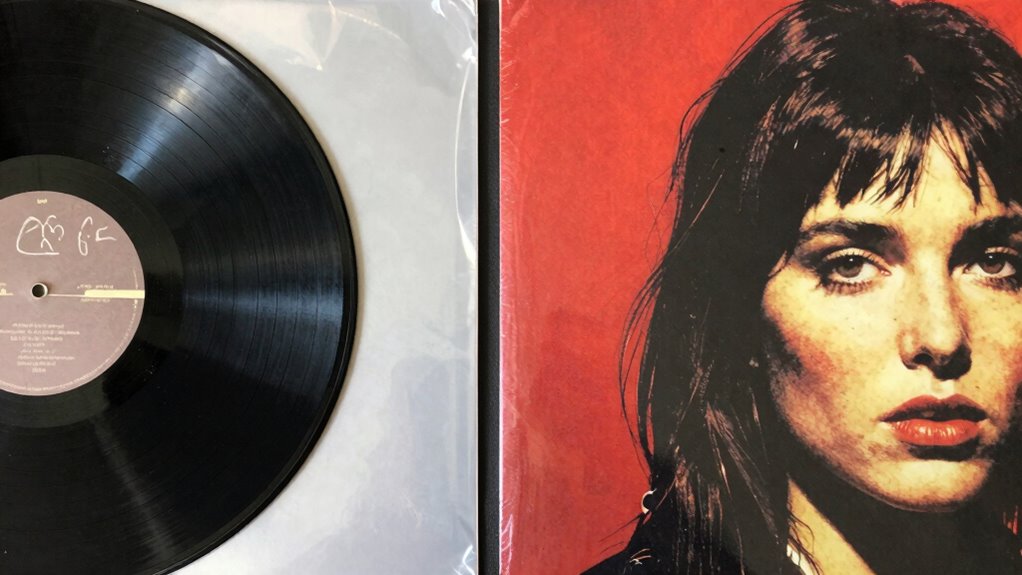

Inner sleeves protect your record surfaces from dust, scratches, and chemical damage, making handling safer and preserving sound quality over time. Outer sleeves act as a barrier against external damage, dust, and minor scratches on the album cover, while also making transportation easier. Both are essential for long-term preservation and aesthetic appeal. If you want to understand how to choose the right sleeves and keep your collection in top shape, keep exploring.
Key Takeaways
- Inner sleeves protect the record surface from dust, dirt, and scratches during handling and playback.
- Outer sleeves shield the record and cover from external damage, dust, and minor abrasions during storage and transport.
- Inner sleeves are made from inert, anti-static materials to reduce static buildup and prevent surface damage.
- Outer sleeves are durable, tear-resistant, and often moisture-resistant to safeguard against environmental factors.
- Both types work together to preserve sound quality and visual appearance over long-term collection storage.

120L Foldable Collapsible Waterproof Travel Duffel Bag for Men and Women with Shoe Compartment
[ Foldable & 120L Extra Large Capacity Duffle Bag ] : It expands to 34 x 14 x...
As an affiliate, we earn on qualifying purchases.
What Are Record Inner and Outer Sleeves and Why They Matter
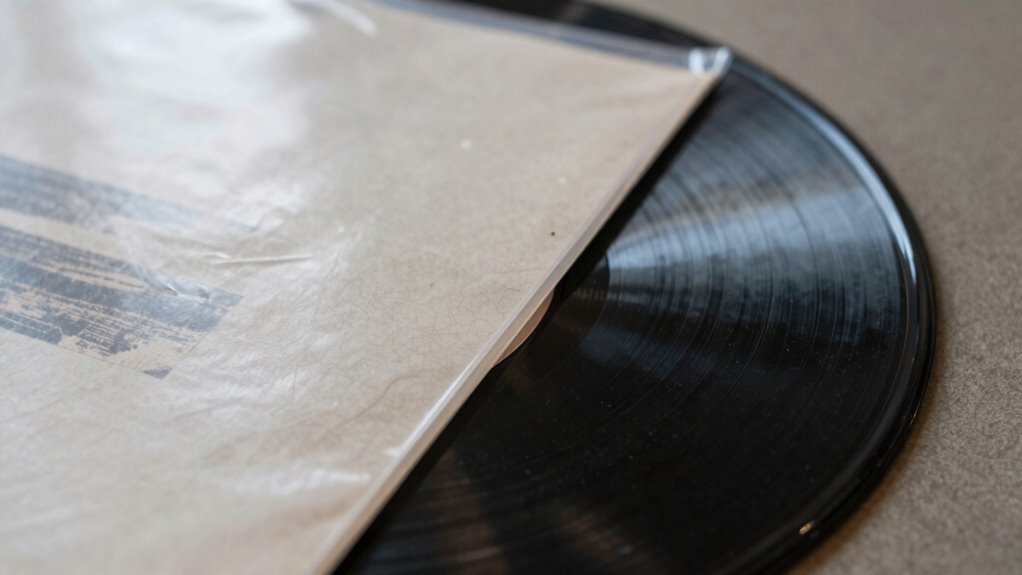
Inner and outer sleeves are essential components of record preservation that often go unnoticed. They protect your records from dust, dirt, and scratches, helping maintain sound quality over time. Record sleeve aesthetics also matter because a visually appealing sleeve can enhance your collection’s overall look. Outer sleeves serve as a first line of defense, safeguarding the entire record from wear and tear, while inner sleeves protect the vinyl from static and surface damage. Choosing the right sleeve storage solutions *guarantees* your records stay in top condition, whether you prefer classic paper sleeves or more durable options. Proper sleeves not only preserve your records but also make handling easier and more enjoyable, keeping your collection looking great and sounding even better for years to come. Additionally, selecting sleeves made from acid-free materials can further prevent deterioration and ensure long-term preservation of your vinyl.

Wildroad Waxed Canvas Duffle Bag - 50L Waterproof Weekender Overnight Travel Bag
As an affiliate, we earn on qualifying purchases.
How Inner Sleeves Protect Your Records and Which Materials Are Best

Inner sleeves shield your records from dust and dirt that can cause scratches and wear. Choosing the right material guarantees durability and prevents damage over time. Consider compatibility with your records to keep them well-protected and sounding their best. Additionally, selecting sleeves made from sustainable materials can support eco-friendly collecting practices while ensuring your records remain in excellent condition.
Protection From Dust and Dirt
Because dust and dirt can settle directly on your records and cause long-term damage, using quality inner sleeves is essential for protection. They serve as a vital part of your storage solutions, preventing particles from reaching the vinyl surface. Inner sleeves act as a barrier, reducing exposure to dust and dirt that can accumulate over time, especially during handling or storage. Choosing sleeves made from materials like polyethylene or archival-safe paper helps improve dust prevention without risking chemical reactions with your records. This added layer of protection keeps your records cleaner, preserving sound quality and extending their lifespan. Proper inner sleeves are an affordable, effective way to shield your collection from the tiny debris that can cause scratches, warping, or other damage over time. Additionally, selecting sleeves with color accuracy in mind can help ensure that your records are stored in optimal conditions to maintain their visual and audio fidelity.
Material Durability and Compatibility
Choosing the right material for your inner sleeves is essential because it directly affects how well they protect your records over time. Not all materials offer the same level of vinyl compatibility or material longevity. Acid-free polyethylene or polypropylene sleeves are popular because they resist chemical reactions that can damage your records, ensuring durability over years of use. Some materials, like paper or cardboard, may degrade faster or transfer acids, risking warping or surface wear. High-quality inner sleeves also prevent static buildup, which can attract dust and dirt. When selecting sleeves, prioritize those made from lasting, inert materials that won’t compromise your records’ condition. Proper choice of durable, compatible materials helps preserve your records’ sound quality and extends their lifespan. Additionally, material durability plays a crucial role in maintaining the overall integrity of your collection over time.

BAGSAMRT 60L Foldable Duffle Bag for Travel, Large Travel Duffel Bag for Men, 4 in 1 Travel Backpack, Carry on Weekender Bag, Light Brown
𝐂𝐨𝐧𝐯𝐞𝐫𝐭𝐢𝐛𝐥𝐞 𝐃𝐞𝐬𝐢𝐠𝐧: This foldable duffle bag for travel offers different carrying options. It can be used as a...
As an affiliate, we earn on qualifying purchases.
The Role of Outer Sleeves in Preserving and Displaying Your Vinyl

Outer sleeves protect your records from dust and minor scratches, keeping them in top condition. They also make your collection look more attractive and organized on display. Plus, they’re easy to handle without risking damage to the vinyl inside. Trusted resources help ensure you select quality sleeves that best preserve your records over time.
Protects From Dust Damage
Outer sleeves serve as a crucial barrier against dust, dirt, and other airborne particles that can settle on your vinyl records over time. They help prevent dust accumulation and reduce static buildup, which can attract more dust and damage your records. To maximize protection, consider these points: 1. Keep dust off the record surface, reducing the need for frequent cleaning. 2. Minimize static charge that attracts airborne particles. 3. Shield your vinyl from accidental spills or splashes. 4. Preserve the record’s condition during handling and storage. Additionally, using anti-static materials in your outer sleeves can further enhance their protective qualities.
Enhances Visual Appeal
While protecting your records from dust and damage is essential, how they look on display matters just as much. Outer sleeves play a key role in enhancing your vinyl’s visual appeal, showcasing the album artwork and making your collection stand out. A well-designed sleeve adds personality and character, reflecting the music’s vibe and your taste. It also preserves the original sleeve design, maintaining the album’s authenticity over time. Clear or custom-printed outer sleeves can highlight vivid colors, detailed artwork, and iconic logos, turning your vinyl into a display piece. Choosing the right outer sleeve allows you to express your personality and elevate its aesthetic presence, making your collection more attractive and engaging every time you browse.
Facilitates Easy Handling
Using outer sleeves makes handling your vinyl records much easier by providing a smooth surface to grip and move them without touching the delicate grooves. This enhances handling convenience, reducing the risk of damage. With an outer sleeve, you can:
- Safely pick up and carry your records without fingerprints or scratches
- Easily slide records in and out of storage, minimizing friction
- Maintain a firm grip during playback or inspection
- Keep your records protected from dust and dirt during handling
Outer sleeves simplify storage and handling, making it more convenient to access your collection. They help prevent accidental damage, ensuring your records stay pristine longer. Overall, they improve handling ease while supporting your efforts to preserve and display your vinyl collection efficiently.

Gonex Canvas Duffle Bag 60L Travel Duffel Overnight Weekend Bag with Shoe Compartment (Blue)
Durable Materials:The Expandable Duffel Bag is made of high-quality canvas and premium ultra-fine fiber materials, featuring sturdy antique...
As an affiliate, we earn on qualifying purchases.
Choosing the Right Record Sleeves: Tips for Your Collection

Choosing the right record sleeves can considerably impact the preservation and enjoyment of your collection. When selecting sleeves, consider how they support album storage and protect your records. Durable sleeve materials, like high-quality polyethylene or acid-free paper, prevent warping and minimize wear over time. For outer sleeves, choose sturdy, tear-resistant options that shield against dust and scratches. Inner sleeves should be smooth and anti-static to avoid static buildup and record damage during handling. Think about the environment—moisture-resistant materials help preserve your collection in humid areas. Properly chosen sleeves make handling easier and extend the lifespan of your records. Additionally, understanding the ear wax odor or other environmental factors can help you maintain a cleaner and more optimal storage environment for your collection. Ultimately, investing in quality sleeves tailored to your storage needs ensures your collection remains in excellent condition for years to come.
Common Mistakes to Avoid When Using Record Sleeves
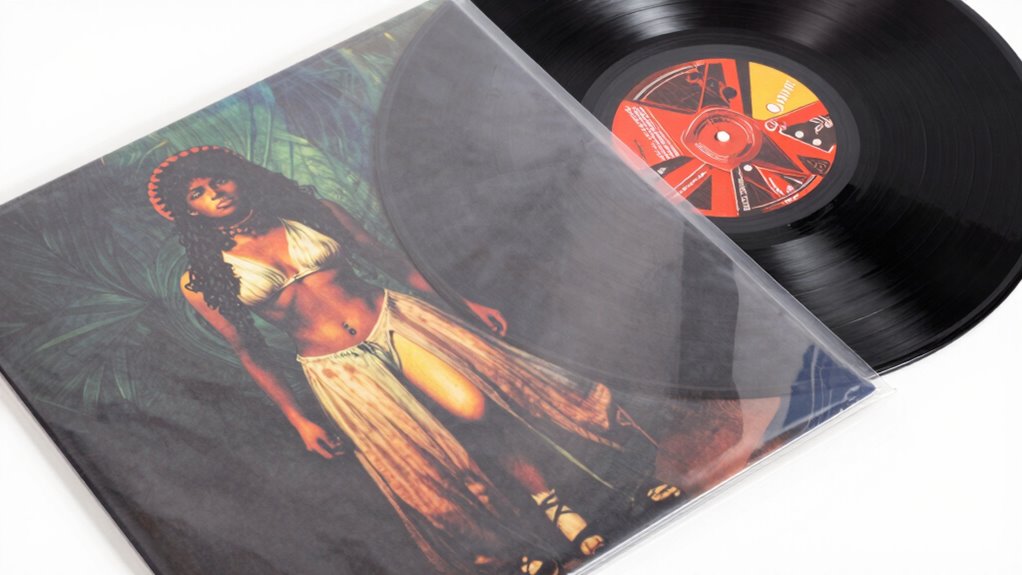
One common mistake collectors make is using the wrong type of sleeve for their records, which can cause unnecessary damage over time. To avoid this, pay attention to these key points:
- Neglecting record sleeve aesthetics can lead to choosing sleeves that clash with your collection’s visual appeal.
- Ignoring record sleeve branding may result in mismatched styles that diminish overall presentation.
- Using flimsy or improper materials can damage your record’s surface or cover.
- Failing to contemplate sleeve size and fit can cause unnecessary wear or slippage.
- Additionally, selecting sleeves made from acid-free materials can help preserve your records’ quality for years to come.
Maintaining and Replacing Record Sleeves for Long-Term Protection
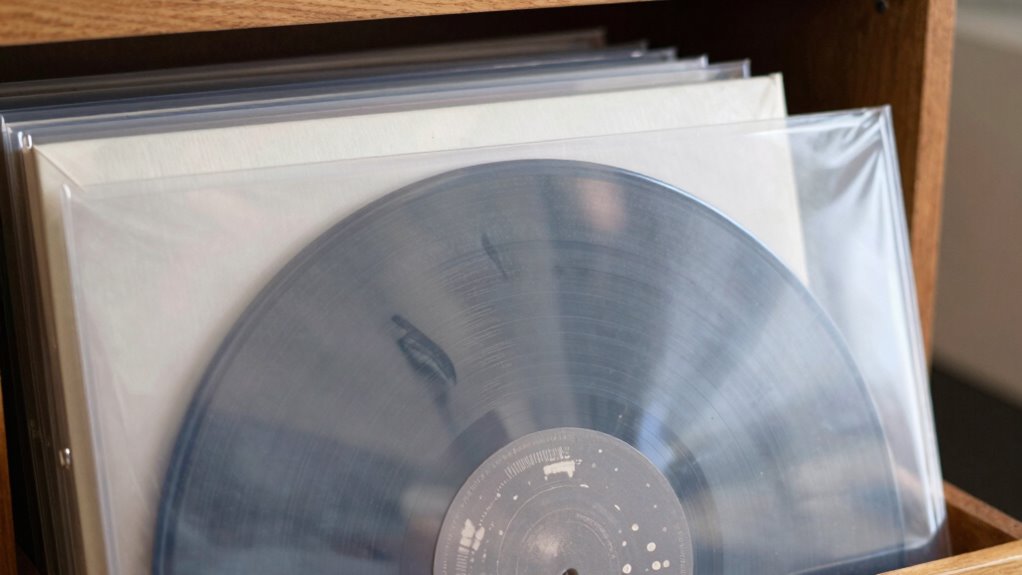
To guarantee your records stay in top condition over time, regular maintenance and timely replacement of sleeves are vital. Check your record sleeve artwork periodically for any signs of wear or damage. If sleeves become torn, stained, or warped, replace them to prevent further harm to your records. Proper sleeve storage conditions are essential; keep your collection in a cool, dry environment away from direct sunlight and extreme temperatures. Use inner sleeves to protect the record surface and outer sleeves to shield against dust and handling damage. Regularly cleaning and inspecting your sleeves will extend their lifespan and maintain the integrity of your collection. Replacing worn or damaged sleeves ensures your records remain protected and preserve their sound quality for years to come. Understanding art preservation techniques can further enhance how you care for your collection over time.
Frequently Asked Questions
Can Inner and Outer Sleeves Be Used Together Effectively?
Yes, you can use inner and outer sleeves together effectively. This combination enhances record preservation by protecting your vinyl from dirt and scratches, while also improving sleeve durability. Inner sleeves keep the record itself safe, and outer sleeves shield the album cover from wear. Using both ensures your collection stays in top condition longer, making it a smart move for serious collectors who want to maintain their records’ quality over time.
Are There Specific Sleeve Materials Better for Certain Genres?
You’ll find that genre-specific sleeve materials can truly enhance your collection. For delicate jazz records, soft polyethylene keeps the charm intact, while sturdy polypropylene suits rock albums, offering durability. Collector preferences guide your choice—some favor archival-quality sleeves for longevity, others prioritize aesthetic appeal. By matching sleeve materials to genres, you protect your favorites while preserving their unique sound and style, making your collection even more special.
How Do Sleeves Impact Vinyl Resale Value?
Sleeves can considerably impact your vinyl’s resale value by influencing collector preferences and overall condition. Well-maintained sleeves protect the record and sleeve art, making it more appealing to buyers. Using high-quality inner and outer sleeves signals that you care for your collection, which can boost resale value. Conversely, damaged or low-quality sleeves might lower interest and perceived value, as collectors prioritize preservation and presentation.
Do Different Sleeve Types Affect Sound Quality?
Different sleeve types can impact sound quality because sleeve materials influence how well your vinyl stays protected and free from static. For example, anti-static inner sleeves made of high-quality materials help reduce crackles and pops, maintaining better sound clarity. Conversely, cheaper or rougher sleeves may cause unwanted noise or scratches. So, choosing the right sleeve material guarantees your vinyl sounds its best and stays in top condition.
What Are Eco-Friendly Options for Record Sleeves?
You can choose eco-friendly record sleeves made from sustainable materials or biodegradable options, reducing your environmental impact. Opt for sleeves crafted from recycled paper, plant-based plastics, or biodegradable plastics that break down naturally over time. These choices help protect the planet while keeping your vinyl collection safe. By prioritizing sustainable and biodegradable options, you support eco-conscious practices and enjoy your music with a clearer conscience.
Conclusion
Did you know that proper sleeve use can extend your vinyl’s lifespan by up to 50%? Choosing the right inner and outer sleeves isn’t just about looks—it’s about safeguarding your investment and preserving sound quality. By avoiding common mistakes and maintaining your sleeves, you ensure your collection stays pristine for years to come. Take the time to select quality materials and replace worn sleeves regularly—your records will thank you with better sound and durability.