

If your record sounds off-center, it’s likely due to misaligned or uneven setup of your cartridge and stylus. This causes the stylus to ride unevenly in the groove, producing warped or distorted sound. Record warping or damage can also play a role. Ensuring proper alignment using a protractor and gentle adjustments can fix this issue. Keep exploring, and you’ll discover more ways to improve your vinyl experience and protect your records.
Key Takeaways
- Off-center sound often results from improper stylus alignment or uneven tracking across the record groove.
- Record warping or damage can cause the stylus to ride unevenly, leading to off-center audio.
- Excessive side force during playback may push the stylus off-center, distorting sound quality.
- Misaligned tonearm or cartridge setup can cause the stylus to track incorrectly, resulting in off-center sound.
- Regularly inspecting and properly aligning your stylus and cartridge helps prevent off-center sound and maintains audio fidelity.

Have you ever noticed your vinyl record producing uneven sound or strange distortions? If so, you’re not alone. Many record enthusiasts encounter this issue at some point, and it often points to a problem with how your stylus interacts with the record’s grooves. When the stylus isn’t properly aligned, it can cause groove distortion, leading to off-center sound and a less-than-ideal listening experience. This isn’t just a minor inconvenience—it can considerably impact the quality of your music and potentially damage your records over time.
One of the first things to check is stylus alignment. If your stylus isn’t perfectly aligned with the record’s grooves, it won’t track the music accurately. Misalignment can cause the stylus to ride unevenly across the groove walls, resulting in groove distortion. This distortion manifests as a warbling, muffled sound, or sometimes a loss of detail in the music. Over time, groove distortion can also lead to increased wear on both the stylus and the record itself, shortening their lifespan and diminishing sound quality. Ensuring that your stylus is correctly aligned is essential for clear, balanced sound and to prevent damage.
Proper stylus alignment ensures accurate tracking, prevents groove distortion, and preserves your records’ sound quality.
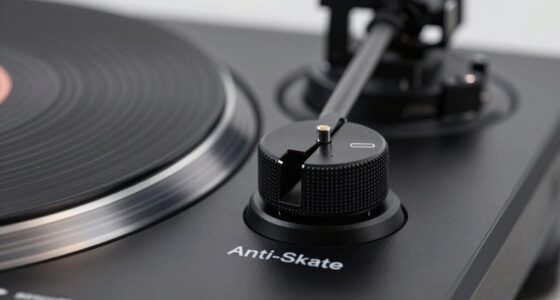
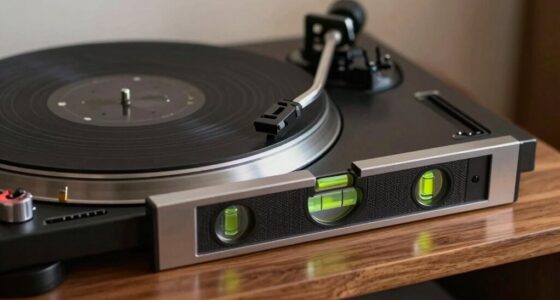
Regular maintenance and proper setup can also help prevent groove distortion and extend the life of your records. To fix this, you’ll want to carefully check your tonearm and cartridge setup. Most turntables come with an alignment protractor—either paper or plastic—that helps you verify if your stylus is positioned correctly relative to the record’s grooves. Proper alignment involves adjusting the cartridge so that the stylus sits at the right angle and depth, ensuring it tracks the groove accurately without excessive side force. When aligned correctly, the stylus will follow the groove smoothly, with minimal groove distortion and better sound fidelity.
If you continue to experience off-center sound, it could also be a sign that your record itself is warped or damaged. Warped records often cause the stylus to bounce or skip, creating uneven sound. But in most cases, the culprit is improper stylus alignment. Regularly inspecting and adjusting your setup can make a noticeable difference. Remember, even a slight misalignment can produce groove distortion, which directly affects your listening pleasure. Taking the time to ensure everything is properly aligned will reward you with cleaner sound, fewer distortions, and a longer-lasting record collection.

Hudson Hi-Fi Turntable Cartridge Alignment Kit – The Audiophile Purists Perfected 3-Piece LP Cartridge Setup Set. Accuracy Optimized Digital Scale, Azimuth Ruler, Protractor – Rich Pure Sonic Sound
All-Inclusive Kit: Each kit comes with a turntable stylus digital scale and Premium PE Case. With our alignment…
As an affiliate, we earn on qualifying purchases.
As an affiliate, we earn on qualifying purchases.
Frequently Asked Questions
Can Off-Center Records Damage My Turntable?
Off-center records typically won’t damage your turntable, but they can affect your record quality and playback accuracy. The uneven surface might cause the tonearm to skip or produce distorted sound, potentially putting extra strain on your stylus. While minor, persistent off-center records could lead to wear over time. To protect your gear, handle records carefully and consider replacing severely warped or off-center ones for ideal sound and equipment safety.
How Can I Fix an Off-Center Record at Home?
Think of fixing an off-center record as straightening a crooked picture on your wall. To do this at home, carefully check your record’s alignment and make certain it’s seated properly on the turntable. Adjust the record slightly, if possible, to improve stylus tracking. Use a record weight or clamp to keep it steady. With patience, these small tweaks can restore your record’s harmony, letting your music flow smoothly again.
Is Off-Center Pressing More Common With Certain Record Labels?
Off-center pressing can be more common with certain record labels due to varying quality control and manufacturing practices. Some labels prioritize high-volume production, which might lead to less precise pressing and a higher chance of off-center records. You should pay attention to reviews and reputation of labels, as well as inspecting records before buying. Choosing reputable labels with strict quality control can reduce the chances of encountering off-center issues.
Does an Off-Center Record Affect Only Vinyl or Digital Audio Too?
An off-center record primarily affects vinyl playback, causing a wobbly sound or uneven pitch. Digital audio isn’t impacted because it’s stored electronically, not physically. During vinyl manufacturing, slight misalignments can lead to off-center pressing, which results in the audible issues. So, while vinyl suffers from off-center pressing, digital audio remains unaffected, offering a consistent listening experience regardless of physical imperfections in the vinyl.
What Are the Signs That My Turntable Needs Calibration?
You’ll notice your turntable needs calibration if your records sound uneven or distorted, like a boat rocking on choppy seas. Signs include alignment issues, where the stylus doesn’t track perfectly in the groove, and tonearm imbalance, causing uneven sound or skipping. If your music doesn’t sit right or skips unexpectedly, it’s time to check and fine-tune your turntable’s setup to restore harmony.

SpinTunes Turntable Phono Cartridge Stylus Alignment Protractor Tool- High Visible Tool for Vinyl Record Precision Calibration- Ensure Accurate Tracking and Sound Quality
This high-contrast protractor tool enables you to achieve precise alignment of your turntable phonograph cartridge stylus with ease….
As an affiliate, we earn on qualifying purchases.
As an affiliate, we earn on qualifying purchases.
Conclusion
So, next time your record sounds off-center, don’t rush to blame the equipment. Sometimes, it’s just the universe’s little joke, reminding you that even in a world of perfect technology, imperfections still sneak in. Ironically, it’s these tiny flaws that make listening feel human again. Embrace the quirks, because in the end, a perfectly centered record might be the most unnatural thing of all. After all, isn’t life better with a little offbeat charm?
Hudson Hi-Fi Turntable Cartridge Alignment Kit – The Audiophile Purists Perfected 3-Piece LP Cartridge Setup Set. Accuracy Optimized Digital Scale, Azimuth Ruler, Protractor – Rich Pure Sonic Sound
All-Inclusive Kit: Each kit comes with a turntable stylus digital scale and Premium PE Case. With our alignment…
As an affiliate, we earn on qualifying purchases.
As an affiliate, we earn on qualifying purchases.
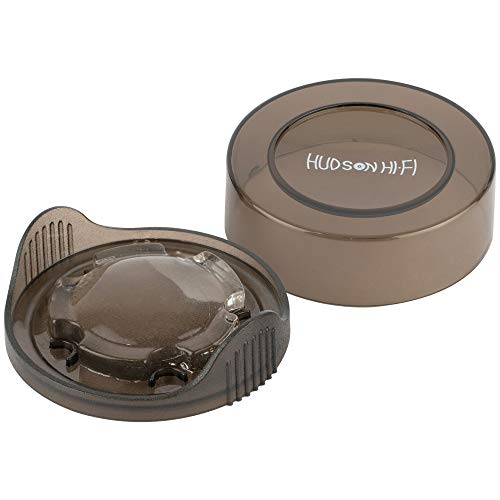
Hudson Hi-Fi Turntable Stylus Cleaner Vinyl Cleaning Gel Bubble – Vinyl Stylus Needle Cleaner for Turntable Record Player – Anti Static Needle Cleaner for Turntable Accessories
EASY, EFFICIENT, EFFECTIVE: For our record needle cleaner just lower the lifted vinyl stylus cleaner lightly against the…
As an affiliate, we earn on qualifying purchases.
As an affiliate, we earn on qualifying purchases.