
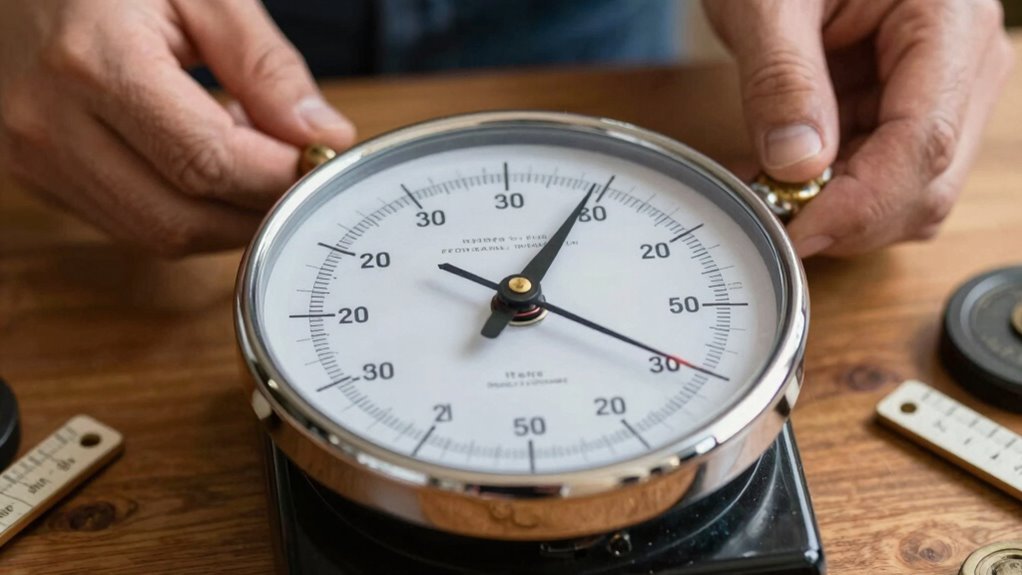

Record weights show your peak performance in specific lifts but don’t measure your overall health or fitness levels. They can be influenced by temporary factors like hydration, fatigue, or technique and don’t reflect long-term progress. Mythically, many think higher record weights mean better fitness or health, but that’s not true. To truly understand your progress and health, it’s important to look beyond just these numbers—discover what really matters below.
Key Takeaways
- A record weight reflects peak performance but does not indicate overall health or fitness levels.
- Higher record weights do not always mean better fitness or future success.
- Record weights are influenced by temporary factors like hydration, fatigue, or environment.
- Achieving a record weight is a milestone, not a sign of optimal health or long-term progress.
- Record weights should be used alongside other metrics for a balanced understanding of fitness.

Olympic Weight Plates Grip Barbell: 2 Inch Standard Calibrated Weight Plates for Strength Training and Weightlifting in Home Gym Single Pair and Sets (Green-25LB-Pair)
【Versatile Training Essentials】HVO weight plates with handles are essential for strength training and muscle building. They are perfect…
As an affiliate, we earn on qualifying purchases.
As an affiliate, we earn on qualifying purchases.
What Do Record Weights Measure?

Record weights measure the maximum amount you can lift for a specific exercise, such as a squat or deadlift. To guarantee your record weight accurately reflects your strength, record weight accuracy is essential. This means regularly checking that your equipment is properly calibrated, so the weights listed are correct. Faulty or uncalibrated equipment can lead to misleading results, making your record weight unreliable. When recording your lifts, always verify that the weights are set correctly and that the equipment functions properly. Proper calibration and attention to detail help you track true progress over time. Remember, a genuine record weight depends on precise measurements, not just the number on the bar. Accurate recording ensures you’re genuinely progressing and not just chasing inflated numbers. Additionally, understanding essential oil properties can help in relaxing muscles and reducing tension after heavy lifts.

Etekcity Smart Scale for Body Weight, FSA&HSA Eligible, Bathroom Digital Weighing Scale with BMI, Body Fat, Muscle Mass, Accurate Bluetooth Home User Health Equipment Sync Apps, LED, Tempered glass
𝑼𝒏𝒑𝒂𝒓𝒂𝒍𝒍𝒆𝒍𝒆𝒅 𝑨𝒑𝒑 𝑬𝒙𝒑𝒆𝒓𝒊𝒆𝒏𝒄𝒆: Elevate your fitness journey with us. Our scale stands out with the free vesync app,…
As an affiliate, we earn on qualifying purchases.
As an affiliate, we earn on qualifying purchases.
Are Record Weights Really a Sign of Fitness?
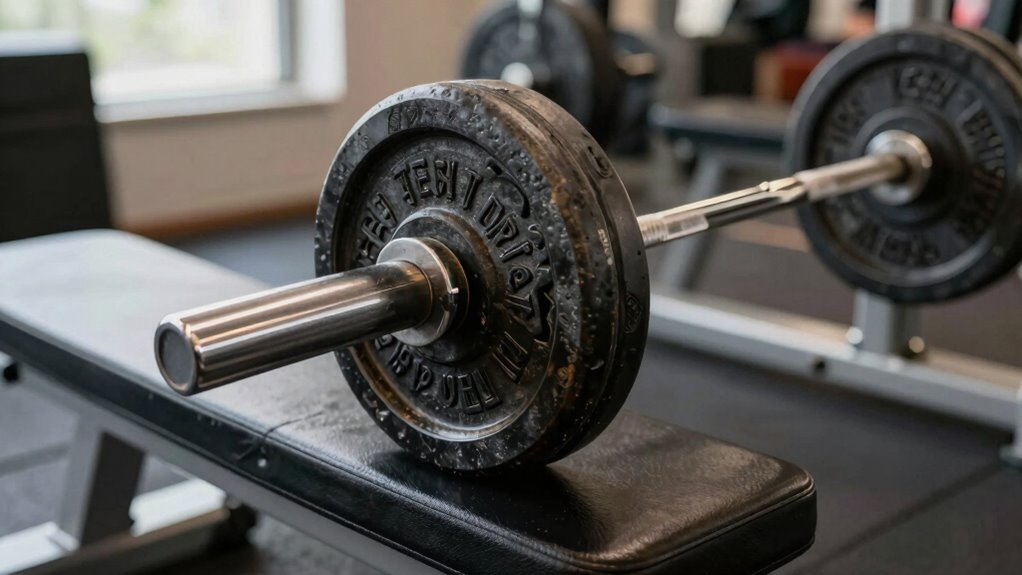
While lifting the heaviest weights can showcase your strength, it doesn’t necessarily mean you’re truly fit. Record weights focus on absolute strength, but fitness involves more than just lifting heavy. Body fat levels matter because low body fat often indicates better overall health and endurance. Additionally, muscle tone reflects how well your muscles are developed and conditioned, not just how much weight you can lift. Someone with high muscle tone and low body fat might be healthier and more fit than someone who hoists record weights but has poor muscle definition or excess fat. True fitness balances strength, endurance, flexibility, and body composition. Support Breakfast can contribute to overall health and performance, emphasizing the importance of balanced nutrition. So, lifting record weights alone doesn’t guarantee you’re in top shape—it’s just one piece of the larger fitness puzzle.
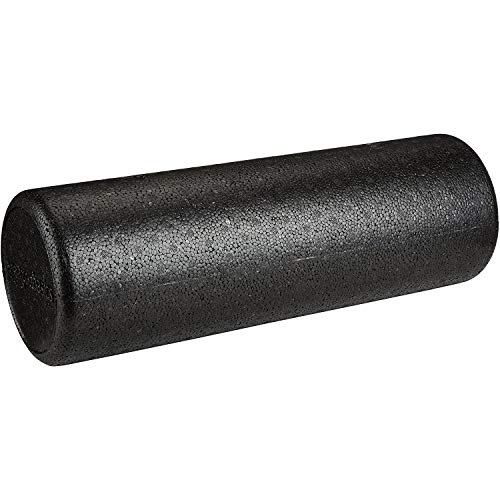
Amazon Basics High-Density Foam Roller for Exercise and Recovery, 18 Inches, Black
High-density foam roller in Black
As an affiliate, we earn on qualifying purchases.
As an affiliate, we earn on qualifying purchases.
Debunking Common Myths About Record Weights

Many people believe there’s a maximum weight you can lift, but that’s a myth. Lifting record weights doesn’t always mean you’ve reached your fitness limit or that your training goals are clear. Understanding these misconceptions helps you focus on safe, effective progress instead of just chasing numbers. Additionally, factors like proper technique and training consistency play a crucial role in sustainable strength development.
Myth of Maximum Weight
Have you ever wondered if there’s truly a maximum weight that humans can lift or carry? The myth suggests a limit, but in reality, this isn’t fixed. Your potential depends on many factors, like calorie intake, training, and genetic factors. These influence muscle growth, strength, and endurance, making maximum weight more flexible than you think. Some people can break records because they optimize these elements. Here’s a quick look at influential factors:
| Factor | Impact | Example |
|---|---|---|
| Calorie Intake | Fuels recovery and muscle growth | Increased intake boosts strength |
| Genetic Factors | Determines muscle fiber type and size | Some have naturally higher potential |
| Training Regimen | Builds strength and technique | Consistent training leads to progress |
| Rest & Recovery | Allows muscles to repair and grow | Proper rest enhances performance |
Additionally, understanding the biomechanics involved can help maximize lifting efficiency and reduce injury risk.
Misunderstanding Training Goals
People often believe that lifting record weights is the ultimate goal of strength training, but this is a common misconception. Many training misconceptions stem from focusing solely on record attempts rather than personal progress or health. Goal setting should be tailored to your individual needs, whether it’s building endurance, improving technique, or boosting confidence. Chasing record weights can sometimes lead you to overlook these important aspects. Remember, the true purpose of training isn’t just about hitting massive numbers; it’s about consistent growth and enjoying the process. Misunderstanding training goals can cause frustration or injury if you prioritize records over sustainable progress. Clarify what you want to achieve, set realistic goals, and understand that record weights are just one measure of strength, not the final destination. Additionally, understanding the concept of Free Floating can help you focus on overall functional strength rather than just static maximum lifts.

Fitness Workout Journal for Women & Men, A5(5.5" x 8.2") Workout Log Book Planner for Tracking, Progress, and Achieving Your Wellness Goals – Green
Track Your Workouts – Stay organized and record your gym workouts with this comprehensive fitness planner. It provides…
As an affiliate, we earn on qualifying purchases.
As an affiliate, we earn on qualifying purchases.
What Factors Can Skew Your Record Weight Results?

Your recorded weight can be influenced by various factors that don’t necessarily reflect true changes in your body. Hydration levels are a major factor; if you’re dehydrated, your weight may appear lower, while excess water retention can make you weigh more. The time of day also impacts results—morning weights tend to be lower after overnight fasting, whereas evening weights might be higher due to food and fluid intake throughout the day. Clothing, recent meals, and bathroom habits can also skew your reading. Even environmental conditions like room temperature and scale placement matter. These variables can lead to fluctuations that aren’t related to actual fat loss or gain. Additionally, understanding sustainable weight loss principles helps you interpret your weight more accurately and avoid false conclusions. Recognizing these factors helps you interpret your weight more accurately and avoid false conclusions.
How Should You Interpret Record Weights?
Interpreting your record weights accurately requires understanding that fluctuations are normal and often caused by factors unrelated to true changes in body fat. Don’t get discouraged by sudden jumps; instead, focus on long-term progress tracking. Remember, a single weigh-in isn’t the full story—consistent patterns matter more. To help you stay resilient mentally, consider these points:
- Small fluctuations are typical and shouldn’t derail your motivation.
- Look at trends over weeks, not days, to gauge true progress.
- Stay committed and trust the process, knowing that mental resilience is key.
Record weights can serve as motivation, but don’t let temporary changes skew your perspective. Use them as part of a broader understanding of your journey, not as the ultimate measure of success.
What Really Matters for Strength and Health Goals

Focusing solely on weight can be misleading when aiming for strength and health. Instead, consider what truly motivates you—whether it’s increasing muscle endurance, improving cardiovascular health, or feeling more energetic. Motivation factors vary, so aligning your goals with what excites you helps sustain effort. Aesthetic priorities, like muscle tone or body composition, are important but shouldn’t overshadow functional fitness. Strength isn’t just about lifting heavy weights; it’s about building resilience and mobility. Health encompasses more than numbers on a scale—it’s about how you feel daily. Track progress through improved performance, better sleep, or greater stamina. Prioritizing these aspects ensures you stay motivated and achieve lasting, meaningful results that enhance your overall well-being. Incorporating sleep hygiene practices can further support your health and recovery efforts.
Frequently Asked Questions
Can Record Weights Predict Overall Athletic Performance?
Record weights can hint at your strength but don’t necessarily predict overall athletic performance. Your training environment and psychological factors, like motivation and focus, play vital roles in how well you perform. While lifting heavy is impressive, it’s just one piece of the puzzle. To truly excel, you need a balanced approach that considers conditioning, mental resilience, and skill development, not just the record weight you can lift.
Do Record Weights Indicate Muscle Mass or Strength Alone?
Record weights primarily indicate strength, but they don’t reveal muscle mass alone. Your technique accuracy during lifts matters because proper form ensures valid results, while poor technique can inflate or underestimate true strength. Keep in mind, a high record weight reflects your ability to generate force, not necessarily muscle size. To assess muscle versus strength accurately, consider combining record lifts with other measurements like body composition analysis.
How Do Different Measurement Techniques Affect Record Weight Accuracy?
Different measurement techniques can greatly impact record weight accuracy. You need to consider equipment calibration, ensuring scales are properly zeroed and maintained. Environmental factors like temperature, humidity, and surface stability also play a role, as they can cause fluctuations in readings. By paying attention to calibration and controlling environmental conditions, you’ll get more precise, reliable record weight measurements, reducing errors and making your records truly meaningful.
Are Record Weights Useful for Tracking Progress Over Time?
Yes, record weights can be useful for tracking progress over time if you account for calibration errors and maintain user consistency. By weighing yourself regularly at the same time, using the same scale, and ensuring proper calibration, you get more accurate readings. This consistency helps you see true progress, rather than fluctuations caused by measurement errors or different techniques. Always double-check your equipment to keep data reliable.
What Role Does Technique Play in Achieving Record Weights?
Technique plays a vital role in reaching record weights because it guarantees consistency and measurement precision. When you focus on proper form, you minimize injury risk and maximize strength transfer. Consistent technique helps you track progress accurately, preventing false gains or setbacks. By refining your technique, you create a solid foundation that allows you to push your limits safely and effectively, ultimately increasing your chances of hitting those record-breaking numbers.
Conclusion
Remember, your record weight is just a number, like a summit on a mountain—impressive but not the whole landscape. Don’t let it define your worth or fitness journey; instead, see it as a stepping stone, like footprints in the sand. While the weight might seem like a towering peak, your true progress lies in consistency and health. Focus on what truly matters, and let your efforts shape the real picture of strength and wellness.