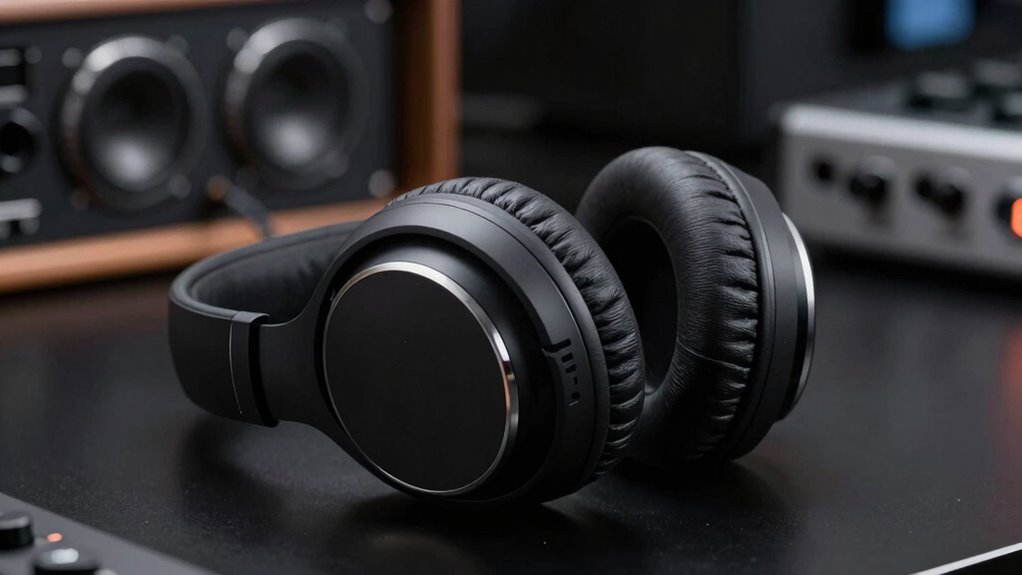
Headphones for imaging and instrument separation live or die by one thing: their ability to place each instrument in a distinct spot across a believable soundstage. For that specific job, the Sennheiser HD 600 is my top pick — its legendary midrange clarity and open-back design let you pick apart dense mixes with precision. Close behind are the beyerdynamic DT 990 Pro, which trades a touch of neutrality for a wider, airier stage, and the budget-friendly Philips SHP9500, which delivers surprising openness for far less money. The core tradeoff in this category is that open-back models image best but leak sound and need quiet rooms, while closed-back options like the OneOdio and TASCAM picks isolate better but compress the stage. Below that, cheap 50mm-driver models vary wildly in how cleanly they separate layers, so ranking depends on more than driver size. Keep reading for the full breakdown of all 14 models and which one fits your ears, gear, and budget.

Get audio and creator gear delivered free with Prime
- Fast, free delivery on millions of items
- Prime Video, Amazon Music and more included
- Member-only deals all year
Key Takeaways
- Open-back designs dominated this comparison for imaging — the Sennheiser HD 600, HD 560S, beyerdynamic DT 990 Pro, and Philips SHP9500 all outperformed every closed-back model at placing instruments in space.
- Driver size told us almost nothing: several budget 50mm models (Syndesmons, OneOdio baseline, NUBWO HD01) matched each other on separation, proving tuning and enclosure matter far more than millimeters.
- Impedance is a hidden filter in this lineup — the 250-ohm DT 990 Pro and 300-ohm HD 600 will sound flat and cramped from a phone, while the OneOdio A71D and TASCAM TH-02 are built to run portably.
- The OneOdio family (A71D, A70, A71, standard 50mm) splits by use case: the A70 is the only wireless option but the weakest at separation, while the wired A71D is the best all-rounder of the group.
- The KZ ZST PRO X is the lone in-ear, and it earns its spot for mobile listening and stage-monitor-style detail — but it cannot match the lateral placement of any open-back here.
- Under-$50 closed-backs are best treated as second pairs for tracking; for critical listening, the SHP9500 is the cheapest model here that genuinely competes on imaging.
| MAONO MH601 Professional Studio Monitor Headphones |  | Best Value Closed-Back Monitor | Driver Size: 50mm | Connectivity: Wired, 3.5mm to 6.35mm detachable cable | Earcup Swivel: 90° | VIEW ON AMAZON | See Our Full Breakdown |
| OneOdio A71D Wired Over-Ear Headphones |  | Best for Single-Ear DJ Monitoring | Driver Size: 40mm | Connectivity: Wired, 3.5mm/6.35mm | Earcup Swivel: 90° | VIEW ON AMAZON | See Our Full Breakdown |
| Syndesmons Wired Over Ear Headphones for Studio Monitor & Mixing |  | Best Budget Buy | Driver Size: 50mm | Frequency Range: 20Hz – 20kHz | Weight: 260g | VIEW ON AMAZON | See Our Full Breakdown |
| Sennheiser HD 600 Audiophile Open-Back Dynamic Wired Headphones |  | Best Premium Reference | Driver Type: Dynamic, open-back | Impedance: 300 ohms | Frequency Response: 12 – 40,500 Hz | VIEW ON AMAZON | See Our Full Breakdown |
| beyerdynamic DT 990 Pro (250 Ohm), Open-Back Studio Headphones |  | Best Soundstage for Mixing Depth | Driver Type: Dynamic, open-back | Impedance: 250 ohms | Frequency Response: 5 – 35,000 Hz | VIEW ON AMAZON | See Our Full Breakdown |
| TASCAM TH-02 Professional Studio Monitor Headphones, Wired, Over Ear |  | Best Budget Entry Point | Design: Over ear, closed-back | Foldable: Yes | Padded Headband: Yes | VIEW ON AMAZON | See Our Full Breakdown |
| OneOdio A71 Hi-Res Studio Recording Headphones |  | Best for Mixing on a Budget | Driver Size: 40mm | Connectivity: 3.5mm, 6.35mm | Cable Length: 6.6–9.8 ft coiled | VIEW ON AMAZON | See Our Full Breakdown |
| Sennheiser HD 560S Open-Back Over-Ear Wired Audiophile Headphones |  | Best Imaging Per Dollar | Design: Over-ear, open-back | Driver: 38mm dynamic | Impedance: 120 ohms | VIEW ON AMAZON | See Our Full Breakdown |
| OneOdio A70 Bluetooth Over Ear Headphones, Wireless & Wired | 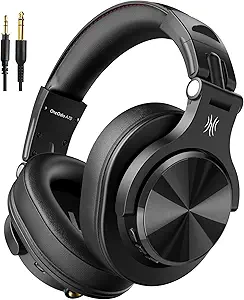 | Best Hybrid Wireless/Wired Flexibility | Playtime: 72 hours | Wireless: Yes (Bluetooth) | Wired Compatibility: 3.5mm and 6.35mm jacks | VIEW ON AMAZON | See Our Full Breakdown |
| KZ ZST PRO X In-Ear Monitor Headphones, Wired |  | Best Compact IIM Option | Driver Type: 1BA 1DD hybrid (balanced armature + dynamic) | Connection: Wired, 3.5mm jack | Design: In-ear, over-ear ergonomic cable routing | VIEW ON AMAZON | See Our Full Breakdown |
| Audio-Technica ATH-M20x Professional Studio Monitor Headphones, Black |  | Best Closed-Back Budget Pick | Driver Size: 40 mm | Driver Type: Rare earth magnet | Design: Closed-back, circumaural | VIEW ON AMAZON | See Our Full Breakdown |
| Philips Audio SHP9500 HiFi Precision Stereo Over-Ear Headphones (Black) |  | Best Soundstage for the Money | Driver Size: 50mm | Magnet Type: Neodymium | Acoustic System: Open-back | VIEW ON AMAZON | See Our Full Breakdown |
| OneOdio Wired Over Ear Headphones with 50mm Drivers for Studio Monitoring and DJ Mixing |  | Best for DJ Work | Driver Size: 50mm | Connectivity: Wired, 3.5mm and 6.35mm | Ear Cup Rotation: 90° swiveling | VIEW ON AMAZON | See Our Full Breakdown |
| NUBWO HD01 Studio Headphones Wired, Hi-Res Over Ear Headphones with 1/4 inch to 3.5mm Adapter |  | Best Hi-Res Spec Under Budget | Driver Size: 45mm | Frequency Response: 20Hz–40KHz | Impedance: 50 ohms | VIEW ON AMAZON | See Our Full Breakdown |
| headphones for imaging and instrument separation | Driver Size | Design |
|---|---|---|
| MAONO MH601 Professional Studi | 50mm | Closed-back, over-ear, foldable |
| OneOdio A71D Wired Over-Ear He | 40mm | Closed-back, over-ear, foldable |
| Syndesmons Wired Over Ear Head | 50mm | Closed-back, over-ear, swiveling earcups |
| Sennheiser HD 600 Audiophile O | — | — |
| beyerdynamic DT 990 Pro | — | — |
| TASCAM TH-02 Professional Stud | — | Over ear, closed-back |
| OneOdio A71 Hi-Res Studio Reco | 40mm | — |
| Sennheiser HD 560S Open-Back O | — | Over-ear, open-back |
| OneOdio A70 Bluetooth Over Ear | — | Over-ear, foldable, ergonomic |
| KZ ZST PRO X In-Ear Monitor He | — | In-ear, over-ear ergonomic cable routing |
| Audio-Technica ATH-M20x Profes | 40 mm | Closed-back, circumaural |
| Philips Audio SHP9500 HiFi Pre | 50mm | — |
| OneOdio Wired Over Ear Headpho | 50mm | — |
| NUBWO HD01 Studio Headphones W | 45mm | — |
More Details on Our Top Picks
MAONO MH601 Professional Studio Monitor Headphones
The MAONO MH601 earns its place by delivering the two things that matter most for this roundup on a modest budget: clear layering of instruments and enough isolation to hear it. Its 50mm drivers push a slightly warm tuning — bass is prominent but not smothering — so string sections and crowded mixes stay distinguishable rather than collapsing into mush. Compared with the Audio-Technica ATH-M20x, the MH601 offers a similar closed-back monitoring character but adds a foldable design and detachable cable, which stretches its usable lifespan considerably. The 9.8 ft cable is generous for desktop setups, though it becomes a nuisance if you move around. Buyers should accept that this is a workhorse, not a precision instrument: fine detail retrieval trails the open-back options lower on this list.
Pros:- 50mm drivers keep individual instruments distinct even in dense arrangements
- Detachable cable and foldable build improve longevity and portability
- Strong passive isolation suits untreated rooms
- Comfortable plush pads for long mixing sessions
Cons:- Bass-forward tuning colors the midrange slightly compared to neutral references
- No inline microphone or call controls
- Long fixed-length cable is awkward for mobile use
Best for: Home recordists and beginner producers who want dependable monitoring and instrument separation without spending audiophile money
Not ideal for: Listeners who prioritize micro-detail and spatial depth — the closed-back warmth blurs the finest edges that open models resolve
- Driver Size:50mm
- Connectivity:Wired, 3.5mm to 6.35mm detachable cable
- Earcup Swivel:90°
- Noise Isolation:85% passive
- Cable Length:9.8 ft
- Design:Closed-back, over-ear, foldable
Our verdict“A sensible first monitoring headphone that gets instrument separation right where it counts for the price.”
OneOdio A71D Wired Over-Ear Headphones
Where the MAONO MH601 is built for the desk, the OneOdio A71D is built for the booth. Its defining feature is the 90° swiveling earcups, which let a DJ cue one channel while keeping one ear on the room — a workflow a fixed studio model simply can’t support. The 40mm drivers are smaller than the 50mm units in the Syndesmons, and it shows: separation is competent, with clean mids and crisp highs, but the low end is less textured and dense mixes get slightly congested. What you gain is fatigue-free comfort from ultra-soft muffs and a rugged build that survives gig bags. For cueing transitions and checking whether a bassline sits with a kick drum, it does the job; for forensic mixing detail, step up to the Sennheiser HD 600.
Pros:- 90° swiveling cups enable true single-ear cue monitoring
- Very comfortable padded muffs for extended wear
- Foldable, gig-ready construction
- Broad compatibility with mixers, amps, PCs and instruments
Cons:- 40mm drivers deliver less low-end texture than 50mm rivals
- Imaging is functional rather than precise for critical mixing
- 7.2 ft cable can tangle in tight booth setups
Best for: DJs and live performers who need quick single-ear cueing and a durable, comfortable headset for long sets
Not ideal for: Mixing engineers chasing pinpoint imaging — the smaller drivers and closed-back warmth limit fine separation
- Driver Size:40mm
- Connectivity:Wired, 3.5mm/6.35mm
- Earcup Swivel:90°
- Cable Length:7.2 ft (2.2m)
- Design:Closed-back, over-ear, foldable
- Intended Use:DJing, studio recording, mixing, monitoring
Our verdict“The practical choice for DJs whose priority is cueing agility rather than audiophile-grade separation.”
Syndesmons Wired Over Ear Headphones for Studio Monitor & Mixing
Among the sub-budget entries in this roundup — a bracket that also includes the TASCAM TH-02 and NUBWO HD01 — the Syndesmons stands out for bundling features those rivals leave out. The 50mm drivers produce a punchy, energetic presentation that keeps rhythm sections articulated, and the sharing port lets a second person plug in directly, which is genuinely useful for collaborative mixing sessions or lessons. At 260g it’s one of the lighter full-size options here, reducing fatigue during long listens. The honest tradeoff: tuning is V-shaped rather than flat, so imaging sounds wider and more exciting than accurate, and the coiled cord’s stretch range is limiting in larger rooms. Anyone comparing against the OneOdio A71D gets bigger drivers here but a less refined overall build.
Pros:- 50mm drivers deliver punchy, articulate separation for the price
- Sharing port allows two listeners from one source
- Lightweight 260g build with plush memory foam pads
- Both 3.5mm and 6.35mm connectors included
Cons:- V-shaped tuning is not suitable for reference mixing decisions
- Coiled cord range of 5.7–6 ft restricts movement
- No noise cancellation, so noisy rooms interfere with fine detail
Best for: Students, podcasters and hobbyist producers who want big-driver sound and a shareable listening option at the lowest possible spend
Not ideal for: Anyone needing flat, reference-grade accuracy — the emphasized bass and treble skew separation in favor of excitement
- Driver Size:50mm
- Frequency Range:20Hz – 20kHz
- Weight:260g
- Cord Length:5.7–6 ft coiled, detachable
- Connector Types:3.5mm and 6.35mm
- Design:Closed-back, over-ear, swiveling earcups
Our verdict“The most feature-per-dollar pick for casual monitoring and shared listening, as long as accuracy isn’t the mission.”
Sennheiser HD 600 Audiophile Open-Back Dynamic Wired Headphones
The Sennheiser HD 600 is the reason this roundup exists — few headphones at any price place instruments in space as convincingly. Its open metal-mesh grilles and computer-optimized magnet system produce the spacious, natural imaging that mastering engineers have relied on for decades: a violin section reads as individual players, not a wash. The advanced diaphragm design eliminates standing waves, so transients stay clean and positional cues stay honest. Compared with the beyerdynamic DT 990 Pro, the HD 600 is more neutral and mid-focused, where the DT 990 leans brighter with a boosted top end — separation here feels effortless rather than etched. The demands are real: 300 ohms of impedance means a phone or laptop jack will not drive it properly, and the open back leaks sound both ways, confining it to quiet, private rooms.
Pros:- Class-leading spatial imaging and instrument placement
- Neutral, uncolored tuning trusted for mastering decisions
- Kevlar-reinforced detachable OFC cable built to last
- Lightweight, fatigue-free fit for long critical sessions
Cons:- 300-ohm impedance requires a headphone amp or interface
- Open-back design leaks and admits sound — unusable in shared or noisy spaces
- Premium price puts it beyond casual budgets
Best for: Mastering engineers, critical listeners and audiophiles with a headphone amp or hi-fi stack who want reference-grade placement and detail
Not ideal for: Anyone listening on the go or from a phone — the 300-ohm impedance and open-back leakage demand a quiet room and dedicated amplification
- Driver Type:Dynamic, open-back
- Impedance:300 ohms
- Frequency Response:12 – 40,500 Hz
- Sensitivity:97 dB
- THD:0.1%
- Weight:260 g (9.1 oz)
- Cable:Detachable Kevlar-reinforced OFC copper
- Connectivity:Wired, 3.5mm / 6.35mm
Our verdict“The reference standard for hearing exactly where every instrument sits — if you have the amp and the quiet room to let it work.”
beyerdynamic DT 990 Pro (250 Ohm), Open-Back Studio Headphones
If the HD 600 is the mastering scalpel, the beyerdynamic DT 990 Pro is the wide-angle lens. Its open-back construction creates a broad, natural stereo image where panned instruments sit at believable distances — a genuine advantage when judging reverb depth and placement in a mix. The treble is elevated and detailed, which makes separation feel vivid and analytical, though listeners sensitive to brightness may find long sessions fatiguing; the HD 600 remains the smoother, more neutral alternative. The velour ear pads and spring-steel headband keep comfort high across hours, and every pad is replaceable, which explains why these survive years of studio abuse. Like any open-back, isolation is nonexistent. The 250-ohm impedance is slightly friendlier than Sennheiser’s 300, but a proper interface or amp is still the expected pairing.
Pros:- Expansive open-back soundstage excels at conveying instrument placement and depth
- Bright, detailed treble makes layering and panning decisions obvious
- Replaceable velour pads and durable spring-steel headband
- German-built construction with a fixed tangle-free coiled cable
Cons:- Elevated treble can fatigue and skew mix decisions toward dullness
- 250-ohm impedance needs an interface or headphone amp for proper volume
- Open back offers zero isolation and leaks sound to bystanders
Best for: Mixing engineers and producers with an audio interface who judge placement and depth by soundstage width and airy treble detail
Not ideal for: Treble-sensitive listeners and anyone in a shared space — the bright tuning and fully open back rule out noisy rooms and leak audio freely
- Driver Type:Dynamic, open-back
- Impedance:250 ohms
- Frequency Response:5 – 35,000 Hz
- Sensitivity:96 dB
- Weight:250 g (8.8 oz)
- Cable:Fixed 3m coiled with 1/4-inch adapter
- Ear Pads:Replaceable velour
Our verdict“The mixing-workhorse open-back for producers who want the widest sense of space per dollar — bright, revealing, and amp-dependent.”
TASCAM TH-02 Professional Studio Monitor Headphones, Wired, Over Ear
The TASCAM TH-02 earns its spot as the cheapest credible way into monitoring. While its closed-back tuning leans bass-forward rather than strictly neutral, it still places instruments with enough clarity for a beginner to start hearing panning and layering decisions in a mix. Compared with the OneOdio A71, the TH-02 is lighter and folds down smaller, but the A71’s coiled cable and dual-jack flexibility make it the stronger pick for anyone already Djing or tracking guitar. The padded headband and ear pads hold up through long sessions, which matters when the whole point is training your ears. The honest tradeoff: imaging here is serviceable, not surgical — dense mixes will blur at the edges where the Sennheiser HD 560S stays composed.
Pros:- Genuinely affordable entry into studio monitoring
- Foldable, lightweight design travels well
- Comfortable padded headband and ear pads for long sessions
- Includes 1/4 inch adapter with 3.5 mm snap-on for versatile connection
Cons:- Bass-forward tuning colors imaging and separation
- No noise isolation beyond passive closed-back sealing
Best for: Beginners and home recordists who want an affordable first pair of closed-back monitors for learning to hear mixes
Not ideal for: Critical listeners chasing pinpoint instrument placement — the bass emphasis masks fine detail that open-backs reveal
- Design:Over ear, closed-back
- Foldable:Yes
- Padded Headband:Yes
- Padded Ear Pads:Yes
- Adapter:1/4 inch (6.3 mm) with 1/8 inch (3.5 mm) snap-on adapter
- Use Case:Studio monitoring
Our verdict“A sensible first rung on the monitoring ladder, as long as you accept it teaches rather than perfects.”
OneOdio A71 Hi-Res Studio Recording Headphones
Sitting a step above the TASCAM TH-02 in resolution, the OneOdio A71 justifies its place with 40mm drivers that resolve individual tracks in a dense arrangement more cleanly than most budget closed-backs. The real differentiator is the long coiled cable — stretching from 6.6 to 9.8 feet — plus 90-degree swiveling earcups, which makes it far more practical at a desk or DJ booth than the MAONO MH601’s fixed setup. The SharePort is a genuinely useful trick: a second listener can plug in without a splitter, handy for collaborative mixing or cueing. The compromise is build quality — it reads as plastic-first where the Sennheiser HD 560S feels engineered — and separation still trails proper open-back designs by a wide margin.
Pros:- Clear, detailed hi-res sound for the price bracket
- Coiled 6.6–9.8 ft cable gives booth and desk freedom
- SharePort lets two people listen without a splitter
- 90° swiveling earcups suit DJ monitoring
Cons:- Build quality feels less robust than premium rivals
- No active noise cancellation and only passive isolation
Best for: Producers and DJs who need detailed wired monitoring, long cable reach, and a way to share audio with a collaborator
Not ideal for: Audiophiles wanting long-term durability and reference-grade imaging — the construction and closed-back stage won’t deliver either
- Driver Size:40mm
- Connectivity:3.5mm, 6.35mm
- Cable Length:6.6–9.8 ft coiled
- Swiveling Earcups:90°
- SharePort:Yes
- Color:Black
Our verdict“The smart budget pick when cable reach and collaborative listening matter as much as raw detail.”
Sennheiser HD 560S Open-Back Over-Ear Wired Audiophile Headphones
If instrument separation is the entire reason you’re shopping, the Sennheiser HD 560S is the strongest argument in this batch. Its open-back, velour-padded design creates an expansive soundstage where each instrument occupies its own space with convincing depth — something no closed-back here, including the capable OneOdio A71, can replicate. The 6 Hz to 38 kHz frequency range and neutral tuning mean you hear placement exactly as it was mixed, which is why I rank it above the cheaper options despite it costing more. Against its sibling, the Sennheiser HD 600, the 560S trades a little of the legendary midrange warmth for a wider, more analytical stage — arguably the better tool for imaging specifically. The catch is inherent to open-backs: sound leaks both ways, so quiet, solo listening is non-negotiable.
Pros:- Exceptional soundstage and instrument placement for the class
- Neutral, analytical tuning suited to reference listening
- Wide 6 Hz–38 kHz frequency range
- Lightweight velour-padded design stays comfortable for hours
Cons:- Zero isolation and audible leakage in both directions
- 120 ohm impedance benefits from a headphone amp or strong source
Best for: Critical listeners and mix engineers who want reference-grade separation and soundstage in a quiet, private listening space
Not ideal for: Commuters or shared-room listeners — open backs leak audio in and out and isolate nothing
- Design:Over-ear, open-back
- Driver:38mm dynamic
- Impedance:120 ohms
- Frequency Range:6 Hz to 38 kHz
- Sensitivity:110 dB
- Cable:Detachable, 6.3 mm jack with 3.5 mm adapter
- Ear Pads:Velour
Our verdict“The pick when hearing exactly where every instrument sits is worth more than portability or isolation.”
OneOdio A70 Bluetooth Over Ear Headphones, Wireless & Wired
The OneOdio A70 answers a question the Sennheiser HD 560S can’t: what if you want monitoring detail and the freedom to walk away from the desk? With 72 hours of wireless playtime and a wired fallback via both 3.5mm and 6.35mm jacks, it straddles casual and studio use better than anything else in this lineup. Its 40mm neodymium drivers deliver hi-res sound with a bass tilt — pleasant for tracking sessions and gaming, but less precise at layering instruments than the wired A71, whose tuning is more monitoring-focused. The built-in noise-reducing mic rounds out the versatility. Fair warning: sharing audio in wired mode means juggling multiple cables, and the foldable hinges are the first thing likely to loosen after a few years of daily folding.
Pros:- 72-hour wireless battery life dwarfs typical competitors
- Dual 3.5mm and 6.35mm wired modes preserve studio compatibility
- Built-in HD mic with noise reduction for calls and gaming
- Comfortable ergonomic fit for extended wear
Cons:- Wireless sharing requires multiple cables and fiddling
- Foldable hinge design raises long-term durability questions
Best for: Multi-purpose users who split time between studio desk work, gaming, and wireless commuting from one headset
Not ideal for: Purists focused purely on instrument separation — wireless codecs and bass emphasis soften the fine detail an open-back reveals
- Playtime:72 hours
- Wireless:Yes (Bluetooth)
- Wired Compatibility:3.5mm and 6.35mm jacks
- Drivers:40mm neodymium
- Microphone:Built-in HD with noise reduction
- Design:Over-ear, foldable, ergonomic
Our verdict“The one-pair compromise for buyers who refuse to choose between the desk and the street.”
KZ ZST PRO X In-Ear Monitor Headphones, Wired
Everything else in this roundup is an over-ear, but the KZ ZST PRO X proves separation isn’t exclusive to big cans. Its 1BA+1DD hybrid driver configuration — one balanced armature handling highs, one dynamic driver for lows — is architecture you normally find in monitors costing several times more, and it shows in how distinctly vocals sit apart from bass lines. Compared with the TASCAM TH-02, the ZST PRO X offers tighter low-end control and far better portability, though it can’t match the soundstage width of the Sennheiser HD 560S simply because in-ears place music inside your head rather than around it. The over-ear ergonomic cable routing keeps them locked in place during movement. Note the absence of a mic — fine for pure listening, awkward for gaming comms.
Pros:- Hybrid balanced-armature plus dynamic driver layout at an entry price
- Tight, deep bass that doesn’t bleed into mids
- Secure ergonomic over-ear fit for movement
- Metal faceplate and resin shell feel durable for the size
Cons:- No built-in microphone
- No active noise cancellation
- In-ear design may not suit all ear shapes
Best for: Portable listeners and stage-curious musicians who want hybrid-driver separation in a pocketable format
Not ideal for: Gamers needing a microphone, or listeners who dislike in-ear pressure — the fit won’t agree with every ear shape
- Driver Type:1BA 1DD hybrid (balanced armature + dynamic)
- Connection:Wired, 3.5mm jack
- Design:In-ear, over-ear ergonomic cable routing
- Microphone:No
- Material:Metal faceplate, resin shell
- Color Options:Black, Silver
Our verdict“The pocket-sized alternative when you want driver-level detail without wearing full headphones.”
Audio-Technica ATH-M20x Professional Studio Monitor Headphones, Black
The ATH-M20x earns its spot as the cheapest credible entry into closed-back monitoring, and its rare-earth magnet 40mm drivers deliver a leaner, more honest midrange than most rivals at this level — which is exactly what you want when picking apart instruments in a dense mix. Compared with the OneOdio 50mm model, the Audio-Technica trades bass weight for tighter imaging, making it easier to hear where each element sits in the stereo field. The circumaural isolation also gives it an edge over the open-back Philips SHP9500 for tracking in noisy rooms. The tradeoff is comfort: the padding is thinner, and long mixing sessions can feel fatiguing.
Pros:- Genuinely neutral tuning that doesn’t flatter or hide mix problems
- Strong passive isolation for loud tracking environments
- Tough build that survives studio abuse
- Single-side cable exit keeps the cord out of your way
Cons:- Ear pad comfort degrades during long sessions
- Lacks the detail retrieval of pricier monitors like the beyerdynamic DT 990 Pro
Best for: Beginner home producers who need isolating, neutral monitoring on a tight budget
Not ideal for: Audiophiles wanting wide, airy soundstages — the closed-back design flattens spatial cues compared with the SHP9500
- Driver Size:40 mm
- Driver Type:Rare earth magnet
- Design:Closed-back, circumaural
- Cable Exit:Single side
- Intended Use:Studio tracking and mixing
- Color:Black
Our verdict“A no-frills closed-back monitor for anyone starting out who cares more about honest imaging than comfort or bass excitement.”
Philips Audio SHP9500 HiFi Precision Stereo Over-Ear Headphones (Black)
Nothing else in this price tier images like the SHP9500. Its open acoustic system lets sound breathe, so instruments sit in distinct positions across a wide stage rather than crowding your head — the same quality that makes the Sennheiser HD 560S a benchmark, delivered at a fraction of the cost. The 50mm neodymium drivers keep the full spectrum present without smearing detail, and the breathable ear cushions plus double-layered headband make multi-hour listening genuinely comfortable. The obvious tradeoff: open backs leak sound in both directions, so unlike the Audio-Technica ATH-M20x, these are useless in a noisy room or shared office.
Pros:- Wide, layered soundstage that makes instrument placement obvious
- Exceptional long-session comfort
- Detachable-style comfort with gold-plated connectors for reliable signal
- Open design avoids the cramped feel of closed-back rivals
Cons:- Near-zero noise isolation in both directions
- Wired only, with a fairly short 1.5m cable
Best for: Listeners and mixers in quiet rooms who want maximum instrument separation without paying audiophile prices
Not ideal for: Anyone tracking vocals, commuting, or working near others — the open back leaks and lets ambient noise in
- Driver Size:50mm
- Magnet Type:Neodymium
- Acoustic System:Open-back
- Cable Length:1.5m
- Connector:Gold-plated 3.5mm
- Headband:Double-layered with breathable ear cushions
- Color:Black
Our verdict“The cheapest genuinely open-back headphone worth owning — buy it for separation and space, but only if your room is quiet.”
OneOdio Wired Over Ear Headphones with 50mm Drivers for Studio Monitoring and DJ Mixing
This OneOdio model is built around practical mixing workflows rather than audiophile refinement. The 90° swiveling ear cups enable single-ear monitoring — a must for beatmatching — and the shared audio port lets you chain a second pair for collaborative sessions, something neither the ATH-M20x nor the NUBWO HD01 handles as gracefully. Its 50mm drivers push a big, bass-forward signature that works on a loud club floor, though that low-end emphasis colors the presentation compared with the flatter Audio-Technica when you’re trying to judge fine instrument separation in a quiet studio. Think of it as the utility pick that trades precision for versatility and volume.
Pros:- 90° swiveling cups for one-ear DJ monitoring
- Includes both 3.5mm and 6.35mm jacks for mixers and interfaces
- Shared audio port for daisy-chaining a second listener
- Padded cushions and adjustable headband hold up through long sets
Cons:- Bass-heavy tuning masks midrange detail
- Bulky frame with no folding compromise for portable use
Best for: DJs and producers who need swivel cups, dual-jack flexibility, and rugged everyday monitoring
Not ideal for: Critical mixers chasing neutral separation — the elevated bass blurs fine imaging compared with flatter rivals
- Driver Size:50mm
- Connectivity:Wired, 3.5mm and 6.35mm
- Ear Cup Rotation:90° swiveling
- Extra Feature:Shared audio port
- Compatibility:Smartphones, laptops, tablets, audio interfaces, DJ mixers, amplifiers
- Included:1/4 to 3.5mm jack adapter
Our verdict“A versatile DJ workhorse that trades imaging purity for workflow features — grab it if flexibility beats neutrality for your use case.”
NUBWO HD01 Studio Headphones Wired, Hi-Res Over Ear Headphones with 1/4 inch to 3.5mm Adapter
The HD01 stakes its claim on paper where it counts for separation: a 20Hz–40kHz frequency response that reaches well beyond the standard 20kHz ceiling, giving cymbals, strings, and room ambience extra room to resolve distinctly. At 50 ohms, it sits in a useful middle ground — driven fine by an interface, but it rewards an amp the way higher-impedance models like the beyerdynamic DT 990 Pro do. The twist-lock dual audio ports are a thoughtful touch, preventing the mid-take cable pops that plague cheaper sets like the OneOdio. Be aware that Hi-Res claims need capable source files and gear to actually pay off; plugged into a phone playing compressed audio, it sounds merely good.
Pros:- 40kHz extended response resolves fine high-frequency detail
- Twist-lock dual ports prevent accidental cable disconnections
- Lightweight 241g build suits long tracking sessions
- Includes both straight cables and a detachable 1/4″ adapter
Cons:- 50-ohm impedance benefits from amplification beyond a phone
- Professional-tuned tuning can feel dry for music enjoyment
Best for: Budget-conscious recordists with an audio interface or amp who want extended-detail monitoring
Not ideal for: Casual listeners on phones and streamed music — the Hi-Res extension goes unused without quality sources and amplification
- Driver Size:45mm
- Frequency Response:20Hz–40KHz
- Impedance:50 ohms
- Weight:241g
- Audio Ports:Dual 3.5mm with twist-lock design
- Included Cables:Two 3.5mm to 3.5mm cables, 1/4″ detachable adapter
- Intended Use:Professional monitoring, recording, live performance
Our verdict“A spec-forward wired monitor for anyone with decent gear who wants hi-res detail and secure cabling without stepping into audiophile pricing.”

How We Picked
Because the goal here is imaging and instrument separation — not general sound quality — I judged every model on a narrow set of criteria. First, soundstage width and depth: can you hear where each instrument sits, left to right and front to back, or does the mix collapse into a wall of sound? Second, separation in dense passages: orchestral climaxes, layered rock mixes, and busy electronic productions expose whether a headphone keeps layers distinct or smears them together. Third, midrange honesty, because instruments live in the mids and any coloration there blurs the picture. Fourth, practicality factors that determine whether a headphone can actually do the job: impedance and amplification needs, comfort over long listening sessions, build durability, and whether the open or closed design suits the buyer’s environment.
The ranking follows a simple logic: models that image the best come first, with tiebreakers decided by versatility and value. The open-back audiophile tier (HD 600, DT 990 Pro, HD 560S, SHP9500) leads because enclosure design gives them an unfair physical advantage at placement. Mid-tier closed-back monitors like the Audio-Technica ATH-M20x and OneOdio A71D follow for buyers who need isolation. Budget models rank lower not because they are bad values, but because separation is exactly where cost-cutting shows up first. Where two models performed similarly on imaging, the one with better comfort, cabling, or amplification flexibility placed higher.
Factors to Consider When Choosing Headphones For Imaging And Instrument Separation
Choosing headphones for imaging and instrument separation involves a few decisions that go beyond any single model comparison. These are the factors that most often make or break the purchase, and the mistakes I see buyers make most often.Open-Back vs. Closed-Back: The Single Biggest Decision
Open-back headphones vent the driver enclosure, which reduces reflections inside the ear cup and creates the sense of space that imaging depends on. Closed-backs seal the cup, which boosts bass and isolates you from the room, but those internal reflections compress the soundstage and blur the gaps between instruments. The mistake buyers make is choosing open-backs for the wrong environment: if you work in a shared office or a noisy room, the open design leaks sound both ways and the imaging advantage evaporates in background noise. A closed-back with strong midrange tuning will image better in a loud café than an HD 600 will. My rule of thumb — quiet, dedicated listening space means open-back; anywhere else means closed-back or in-ear. Also note that open-backs rarely work for recording vocals or acoustic instruments, since their leakage bleeds into the microphone.
Impedance and Amplification: Why the Same Headphone Can Sound Different
High-impedance headphones (roughly 250 ohms and up, like the DT 990 Pro 250-ohm version or the HD 600 at 300 ohms) need more voltage than phones and laptops can supply. Underpowered, they do not just play quietly — they lose dynamics, and the imaging you paid for collapses into flatness. This is why two buyers can describe the same model completely differently: one is driving it properly, the other is not. Low-impedance models (under 60 ohms) reach full potential from portable sources, which is why budget studio headphones are specified that way. If you do not own an audio interface or headphone amp and do not plan to buy one, budget your purchase around that reality. A cheaper headphone driven well will separate instruments better than a premium headphone starved of power — this is the most overlooked tradeoff in the category.
Midrange Tuning Determines Separation More Than Bass or Treble
Almost every instrument you are trying to separate — vocals, guitars, piano, snare, most strings — lives between roughly 200 Hz and 4 kHz. A headphone with recessed or smeared mids will mush these elements together no matter how wide its soundstage measures on paper. Conversely, exaggerated bass bloom bleeds upward into the lower mids, making bass lines and kick drums occupy space that guitars and vocals should own. Bright treble can create a false impression of detail — cymbals sparkle and everything sounds crisp — but that is not the same as placement accuracy, and it fatigues quickly. When reading any spec sheet or frequency response description, focus on what is said about the midrange first. A flat, honest midrange is the foundation; soundstage width is the decoration built on top of it.
Wired vs. Wireless: What Bluetooth Costs You in Detail
Even with high-quality codecs, Bluetooth adds compression layers and processing that soften the micro-contrasts between instruments. For casual listening this is barely audible; for someone specifically chasing imaging, it undermines the entire purpose. The good news is that many wireless models, including the OneOdio A70 in this lineup, also offer a wired passive mode — but the internal circuitry still sits in the signal path, and the tuning was usually designed around the wireless DSP. If imaging is your stated priority, buy a dedicated wired headphone. The one exception worth knowing: wireless freedom matters if you move around while listening, and a headphone you actually use beats a better one sitting on a stand. Just go in knowing you are trading a layer of resolution for convenience.
Comfort and Long-Term Listening: The Overlooked Spec
Critical listening sessions run long — an hour or more of focused attention is normal when you are analyzing a mix or following individual instruments. Clamp pressure, ear cup depth, and pad material all determine whether you can sustain that. Over-ear headphones with shallow pads touch your ears and become painful within thirty minutes; stiff clamp force causes jaw and temple fatigue that ruins concentration before the music does. Velour pads (common on open-backs like the DT 990 Pro) breathe better for long sessions but isolate less; pleather pads seal better but get hot. In-ears like the KZ ZST PRO X avoid pressure issues entirely but some ears fatigue from insertion over hours. Check pad replacement availability too — pads compress and degrade within a couple of years, and a worn pad changes the acoustic seal, which quietly degrades the very imaging you bought the headphone for.
Common Mistake: Confusing Bass Quantity with Sound Quality
The most frequent trap in this category is buying a headphone marketed for “deep bass” and expecting it to reveal detail. Elevated low-end feels impressive in a thirty-second demo — it is the reason showroom headphones are tuned that way — but heavy bass masks the lower midrange where much of the separation work happens. Marketing that leads with driver size falls into the same trap: a 50mm driver guarantees loudness potential, not resolution, as the near-identical performance of the budget 50mm models in this roundup shows. Judge tuning descriptions and design type instead. If a listing emphasizes “deep bass” over “neutral” or “studio monitor,” treat that as a signal the headphone was voiced for enjoyment, not analysis. Both goals are legitimate — just do not expect one headphone to excel at both.
Frequently Asked Questions
Do I really need an amp to hear good instrument separation, or is that audiophile exaggeration?
It depends on the impedance of the specific model, not on headphones in general. Low-impedance studio models like the TASCAM TH-02, OneOdio lineup, and NUBWO HD01 are designed to run directly from phones and laptops, and they will deliver everything they are capable of without extra hardware. High-impedance models are a different story: the DT 990 Pro at 250 ohms and the HD 600 at 300 ohms need substantial voltage to control their drivers properly. Underpowered, they sound thin, dynamically flat, and — most relevant to this comparison — their imaging collapses because the driver cannot track the micro-details that define instrument placement. A modest headphone amp or an audio interface solves this for far less than upgrading the headphones themselves. If you own neither and do not want to, that constraint should steer you toward the low-impedance picks rather than the premium tier.
Can a closed-back headphone ever match an open-back for imaging?
Honestly, at mainstream prices, no — the physics of the sealed enclosure work against it. Closed cups trap back-wave reflections that bounce off the inner shell and re-enter the sound, slightly smearing transients and compressing the sense of space. That said, the gap narrows or disappears in specific situations: in a noisy room, an open-back’s imaging advantage is overwhelmed by ambient sound, while a well-tuned closed-back stays coherent. Closed-backs also win for tracking and recording, since open-backs leak audio into microphones. Within this lineup, the Audio-Technica ATH-M20x and OneOdio A71D represent the practical ceiling for closed-back separation at their price. The smart framing is not “which design is better” but “which design fits my room.” A quiet, dedicated space justifies open-back; everywhere else, closed-back is the honest answer.
Are the budget 50mm-driver headphones good enough, or should I save up for something like the HD 560S?
The honest answer depends on what you are listening for. The budget 50mm models in this roundup — Syndesmons, the standard OneOdio, NUBWO HD01 — deliver clean stereo imaging and decent left-right separation for casual critical listening, and they are genuinely fine for tracking, podcasting, and DJ cueing. What they lack is resolution at the margins: the ability to hear the rear edge of the soundstage, to distinguish two similar instruments playing in the same frequency range, or to place a sound in front of versus behind the instrumental plane. The HD 560S and HD 600 do those things, and that difference is exactly what you are paying for. My suggestion: if imaging is a nice bonus to your listening, save the money. If picking apart mixes is the entire point of the purchase, the step up is where the value is, and the Philips SHP9500 offers a middle path that gets you most of the openness for much less.
Is an in-ear monitor like the KZ ZST PRO X a legitimate option for imaging, or do I need full-size headphones?
In-ears are legitimate, but they image differently, and understanding that difference matters. Because IEMs sit inside the ear canal, they bypass the outer ear’s natural processing, which is part of how we perceive a sense of space. The result is typically excellent left-right separation and startling midrange detail — often better than full-size headphones at similar prices — but a flatter, more in-your-head presentation with less sense of front-to-back depth. That makes the ZST PRO X a strong choice for analytical listening on the go, monitoring while performing, and anyone who finds full-size headphones uncomfortable. For relaxed home listening where you want to sink into a wide soundstage, it will feel confined compared to any open-back here. Treat it as a specialized tool that complements rather than replaces a full-size pair.
Which of these should I avoid if I mainly listen in a shared or noisy environment?
Skip the entire open-back tier: the Sennheiser HD 600 and HD 560S, the beyerdynamic DT 990 Pro, and the Philips SHP9500. Open-back designs leak sound outward — people nearby will hear your music clearly — and they let ambient noise in, which destroys the quiet background that imaging depends on. They are built for solo listening in controlled rooms, and using them elsewhere wastes their main advantage. In a shared office, commute, or family living room, the closed-back monitors serve you better: the ATH-M20x, OneOdio A71D, NUBWO HD01, and MAONO MH601 all seal the ear and keep sound in and noise out. The OneOdio A70 adds wireless convenience for exactly these mobile scenarios, with the known tradeoff that Bluetooth softens fine detail. If noise is severe — public transit, flights — the sealed fit of the KZ ZST PRO X in-ears actually blocks more disturbance than any over-ear here.
Conclusion
Matching the right headphone to your situation is easier once the tradeoffs are clear. For best overall imaging and separation, the Sennheiser HD 600 stands apart — its midrange precision and open-back staging are the reference point this entire category is measured against, provided you have a quiet room and adequate amplification. The beyerdynamic DT 990 Pro is my best premium alternative for listeners who want a wider, brighter stage and slightly more excitement, while the Sennheiser HD 560S is the best modern value in the audiophile tier — easier to drive and more forgiving than the HD 600.
On a tighter budget, the Philips SHP9500 is the standout value pick for imaging, bringing genuine open-back spaciousness to an entry-level price. For beginners who want a safe first studio headphone without amp requirements or open-back fragility, the Audio-Technica ATH-M20x or TASCAM TH-02 are the sensible starting points. For specific needs: the OneOdio A71D covers mixing and DJ cueing with isolation, the OneOdio A70 suits anyone who must go wireless, the MAONO MH601 and NUBWO HD01 handle tracking duty, and the KZ ZST PRO X serves mobile listeners and performers who prefer in-ears. Whichever you choose, drive it properly and listen in the environment it was designed for — those two decisions shape imaging as much as the headphone itself.
Halloween Picks
halloween
As an affiliate, we earn on qualifying purchases.